
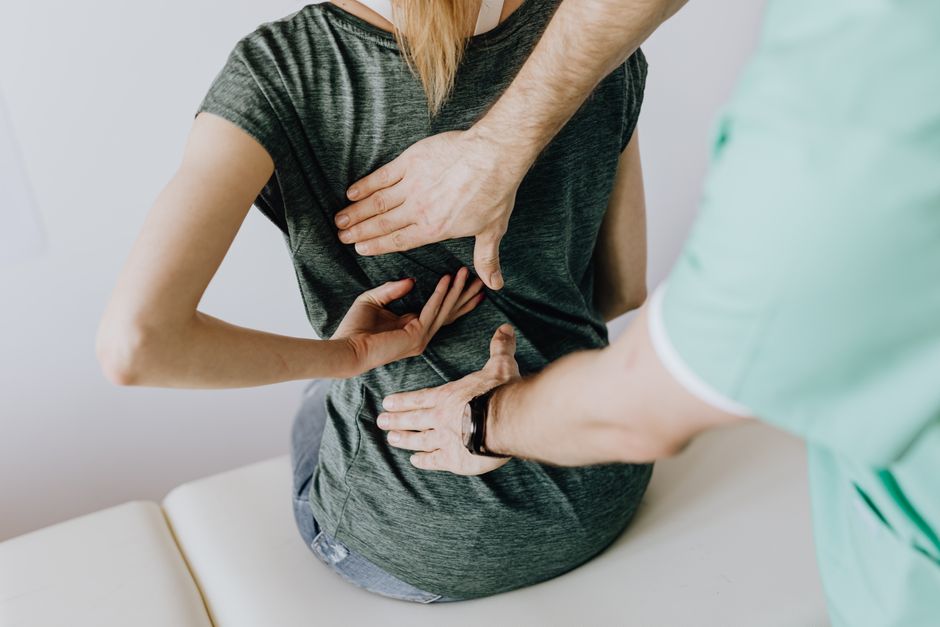
Back pain in females has many possible causes, and hormones are only one part of the picture. Estrogen and other hormones influence bone density, joint laxity, and pain signaling, which can affect the spine across different life stages. But most back pain in women — like in men — comes from muscle strain, disc problems, or arthritis, not from hormones alone.
What Causes Back Pain In Females Hormones To Bones?
Hormones can influence back pain through two main pathways: bone strength and connective tissue. Estrogen plays a direct role in maintaining bone density by regulating osteoclasts, the cells that break down bone. When estrogen levels drop — most notably during perimenopause and menopause — bone loss accelerates. Over time, this can lead to osteopenia or osteoporosis, which weakens vertebrae and raises the risk of compression fractures.
The second pathway involves collagen and joint stability. Estrogen receptors are present in ligaments and connective tissue. Fluctuations in estrogen and relaxin — a hormone that increases during pregnancy — can increase joint laxity. Looser joints in the spine and pelvis may contribute to instability, altered movement patterns, and pain.
Hormones also affect how the nervous system processes pain. Estrogen and progesterone interact with neurotransmitters involved in pain perception. This may help explain why some women report changes in pain sensitivity at different points in their menstrual cycle, though research on this is not fully consistent.
It is important to be clear: hormones are a contributing factor, not the sole cause. A woman with hormonal shifts and a sedentary lifestyle, poor lifting habits, or a history of injury is far more likely to experience back pain than hormones alone would predict.
How Do Hormonal Changes Across A Woman’s Life Affect The Spine?
Different life stages bring different hormonal environments, and each can influence the spine in distinct ways.
Pregnancy
During pregnancy, the body produces relaxin, which loosens ligaments in the pelvis and spine to prepare for childbirth. This increased flexibility can reduce stability in the lower back and sacroiliac joints. Weight gain and a shifting center of gravity add mechanical stress. Research indicates that a majority of pregnant women experience some form of low back pain or pelvic girdle pain, though estimates vary widely across studies.
Postpartum, relaxin levels decline, but ligament laxity does not always resolve immediately. Some women continue to experience back pain for weeks or months after delivery. The evidence on how long this typically lasts is mixed, and individual recovery varies considerably.
Perimenopause And Menopause
Estrogen decline during perimenopause and menopause is the most significant hormonal driver of bone loss in women. Bone mineral density can drop noticeably in the years surrounding the final menstrual period. This does not automatically cause back pain, but it increases vulnerability to vertebral fractures — which can be painful and may occur with minimal trauma.
Menopause also frequently brings weight gain, reduced physical activity, and sleep disruption. Each of these can independently contribute to back pain, making it difficult to isolate the hormonal component.
Menstrual Cycle
Some women notice that back pain worsens in the days before their period. Estrogen and progesterone levels shift during the luteal phase, and some research suggests these fluctuations may affect pain sensitivity and joint laxity. The evidence is not strong enough to say this is a primary cause of chronic back pain, but it may influence short-term symptom patterns.
Does Osteoporosis Cause Back Pain?
Osteoporosis itself does not cause pain. Bone loss is silent until a fracture occurs. This is a common misunderstanding worth stating plainly: weak bones do not ache. They break.
When osteoporosis leads to a vertebral compression fracture, the result is often sudden, sharp back pain that may radiate to the sides. Multiple fractures over time can cause height loss, stooped posture, and chronic pain. These fractures can happen from a fall, but they can also happen from something as ordinary as bending over or coughing.
Women are at higher risk than men for osteoporosis, particularly after menopause. Other risk factors include:
- Family history of osteoporosis or hip fracture
- Low body weight or small frame
- Long-term use of corticosteroids
- Smoking and excessive alcohol use
- Low calcium and vitamin D intake
- Certain medical conditions affecting nutrient absorption
Bone density testing is typically recommended for women aged 65 and older, and earlier for those with significant risk factors. This is based on established clinical guidelines. If you are unsure whether you need testing, that is a conversation to have with your doctor.





Can Hormone Changes Make Existing Back Problems Worse?
Yes. Hormonal shifts do not usually create a new spinal condition out of nothing, but they can amplify problems that are already there.
Consider a woman with mild degenerative disc disease. The discs are already losing hydration and height. Add ligament laxity from hormonal changes, and the spine may become less stable. Add weight gain from menopause, and the load on the lower back increases. Add poor sleep from night sweats, and recovery suffers. The original disc problem has not changed, but the environment around it has — and pain often follows.
This is why treating back pain in women requires looking at the whole picture. Focusing only on hormones misses the mechanical, lifestyle, and psychological factors that often matter just as much.
When Should Back Pain In Women Be Taken Seriously?
Most back pain is not dangerous. It improves with time, movement, and basic self-care. But some signs warrant prompt medical attention.
Seek evaluation if back pain is accompanied by:
- Loss of bladder or bowel control
- Numbness in the groin or saddle area
- Progressive weakness in the legs
- Unexplained weight loss
- Fever or chills
- Pain that is worse at night or at rest
- A history of cancer
- Recent significant trauma, or minor trauma in someone with known osteoporosis
These signs do not mean something serious is present. They mean the probability is high enough that a doctor should evaluate you. This is standard clinical guidance, not a reason to panic.
For back pain without these features, most clinicians recommend staying active, avoiding prolonged bed rest, and using over-the-counter pain relief if needed. Specific exercises and physical therapy may help, though the evidence on which exercises work best is mixed.
What Helps Back Pain Related To Hormonal Changes?
There is no single treatment that addresses hormonal back pain because hormones are rarely the only factor. A practical approach addresses bone health, muscle support, and pain management together.
For bone health: Adequate calcium and vitamin D intake, weight-bearing exercise, and — when indicated — medication to slow bone loss. The decision to start osteoporosis medication is individual and should be made with a doctor. These medications have documented benefits for fracture risk reduction, but they also have potential side effects.
For muscle and joint support: Strengthening the core and back muscles can improve spinal stability, which may be especially helpful when ligaments are lax. Physical therapy is often recommended, though response varies from person to person.
For pain management: Heat, gentle movement, and over-the-counter anti-inflammatory medications are commonly used. Their effectiveness for chronic back pain is modest, and long-term use of anti-inflammatories carries risks, particularly for the stomach and kidneys.
For hormonal symptoms: Some women consider hormone therapy for menopause symptoms. Whether it helps back pain specifically is not well established. Hormone therapy has documented risks and benefits that vary by individual, and it is not typically prescribed for back pain alone.
No supplement or natural product has been proven to reverse bone loss or cure hormonal back pain. Marketing claims in this area are common and often unsupported.
Is Back Pain In Women Different From Back Pain In Men?
Women have higher rates of certain back conditions, including osteoporosis and vertebral fractures. They also experience pregnancy-related back pain, which men obviously do not. Anatomically, women tend to have a wider pelvis and different spinal curvature, which may influence mechanical load.
But the fundamental causes of common back pain — muscle strain, disc degeneration, arthritis — are similar in both sexes. Hormones add a layer of complexity for women, particularly around menopause, but they do not replace the basic mechanics of why backs hurt.
One non-obvious point: women are more likely to report back pain and seek care for it. Whether this reflects a true difference in prevalence or a difference in reporting behavior is not entirely clear from the research.
Frequently Asked Questions
Can low estrogen cause back pain?
Low estrogen does not directly cause back pain, but it accelerates bone loss, which can lead to fractures that cause pain. It may also affect joint laxity and pain signaling, though these effects are less well established.
Does menopause cause back pain?
Menopause does not cause back pain in a direct sense, but the hormonal changes around it can contribute to bone loss, weight gain, and reduced activity — all of which raise the risk. Many women experience back pain during this time, but the reasons are usually multiple.
Can hormone replacement therapy help with back pain?
Hormone therapy may help preserve bone density, which could reduce fracture risk over time. Whether it reduces back pain itself is not well established, and it is not typically prescribed for that purpose alone.
What is the most common cause of back pain in women?
Muscle strain and degenerative changes in the spine are the most common causes, just as in men. Hormonal factors can contribute, but they are rarely the primary cause of typical back pain.
