

Watching your newborn stop breathing for a few seconds is terrifying. Apnea in newborns is a pause in breathing that lasts 20 seconds or longer, or a shorter pause that comes with a drop in heart rate or oxygen levels. The cause is often an immature brain that simply “forgets” to breathe, but infections, reflux, and temperature issues can also be triggers. Treatment depends on the cause but ranges from gentle stimulation to medication or breathing support in a hospital setting.
What Exactly Is Apnea in Newborns?
Apnea is not the same as irregular breathing. All newborns have periods of fast breathing followed by pauses. That is normal. Apnea is when the pause is too long or causes problems.
Doctors divide apnea into three types. Central apnea means the brain does not send the signal to breathe. Obstructive apnea means the airway is blocked. Mixed apnea is a combination of both. In premature infants, central apnea is most common because the part of the brain that controls breathing is still developing.
The American Academy of Pediatrics defines a significant apnea event as a pause of 20 seconds or more. A pause shorter than 20 seconds also counts if it causes the baby’s heart rate to drop below 100 beats per minute or their oxygen saturation to fall.
What Causes Apnea in Newborns?
For premature babies, the leading cause is an immature brainstem. The neural pathways that manage breathing are not fully wired yet. This is called apnea of prematurity. It usually starts a few days after birth and resolves as the baby matures, typically by 36 to 40 weeks postmenstrual age.
In full-term newborns, apnea is less common and more likely to have a specific trigger. Common causes include infection, gastroesophageal reflux, seizures, metabolic disorders, or a blockage in the airway. Even something as simple as overheating or a blanket covering the nose can cause an obstructive event.
Research published in Pediatrics found that infection is the most common identifiable cause of apnea in full-term infants. This is why doctors take every apnea event seriously and often run tests to rule out sepsis or meningitis.
How Do Doctors Diagnose Apnea in Newborns?
Doctors do not rely on parent reports alone. They use monitoring equipment to confirm what is happening. A cardiorespiratory monitor tracks breathing patterns and heart rate. A pulse oximeter measures oxygen levels in the blood.
When a baby in the NICU has an apnea event, the monitor alarms. Nurses observe the baby’s color, muscle tone, and breathing effort. They note whether the baby resumes breathing on their own or needs help.
If the cause is not obvious, doctors may order blood tests, chest X-rays, or a swab to check for infection. In some cases, an EEG is done to rule out seizures. The goal is to find the root cause before deciding on treatment.



How Is Apnea in Newborns Treated?
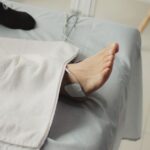
Treatment depends entirely on the cause and the severity. For mild apnea of prematurity, the first step is often gentle stimulation. Rubbing the baby’s back or flicking the foot is usually enough to remind them to breathe. This is not a cure. It is a response to an event.
For frequent or severe events, doctors use medication. Caffeine citrate is the standard treatment for apnea of prematurity. It stimulates the respiratory center in the brain. Studies show it reduces the frequency of apnea events and the need for breathing support. It is given daily, usually until the baby outgrows the condition.
For obstructive apnea, the treatment is different. It involves clearing the airway. This might mean repositioning the baby, suctioning mucus, or treating reflux. In rare cases, a baby may need continuous positive airway pressure (CPAP) to keep the airway open.
For apnea caused by infection, the treatment is antibiotics or antivirals, not breathing stimulants. The apnea resolves once the infection clears. This is why doctors do not jump straight to caffeine without looking for an underlying cause.
What Is the Outlook for Newborns with Apnea?
The outlook is generally excellent for apnea of prematurity. Most babies outgrow it by the time they reach their original due date. Caffeine treatment is stopped when the baby has been event-free for about five to seven days. Long-term complications are rare in otherwise healthy preemies.
For full-term infants, the outlook depends on the cause. If the apnea was due to an infection that was treated, the baby typically recovers fully. If it was due to a structural issue like a small jaw or airway abnormality, surgery may be needed, but outcomes are good.
The CDC reports that the rate of sudden unexpected infant death (SUID) has declined over the past two decades. This is partly due to better monitoring and education about safe sleep practices. Apnea alone is not a cause of SUID, but it can be a sign of an underlying problem that needs attention.
What Are the Differences Between Apnea of Prematurity and Apnea in Full-Term Newborns?
These two groups look similar on the surface but are very different underneath. The table below summarizes the key differences.
| Feature | Apnea of Prematurity | Apnea in Full-Term Newborns |
|---|---|---|
| Most common cause | Immature brainstem | Infection, reflux, or airway issue |
| Typical onset | First week of life | Any time in first month |
| Treatment | Caffeine citrate, monitoring | Treat underlying cause |
| Resolution | By 36-40 weeks postmenstrual age | Depends on cause |
| Recurrence risk | Low after resolution | Low if cause is corrected |
When Should Parents Be Concerned?
It is normal for newborns to have brief pauses in breathing, especially during sleep. These are called periodic breathing and are harmless. The key difference is duration and effect.
You should seek medical attention if your baby stops breathing for more than 20 seconds, turns blue or pale around the mouth, becomes limp, or needs you to shake or rub them to start breathing again. These are not normal.
Some people report that home monitors give them peace of mind. The American Academy of Pediatrics does not recommend routine home cardiorespiratory monitoring for healthy term infants. The evidence does not show that it prevents sudden infant death. It often causes false alarms and unnecessary stress.
What does work is safe sleep practices. Place your baby on their back on a firm mattress with no loose bedding, pillows, or stuffed animals. Keep the room at a comfortable temperature. Do not over-bundle. These simple steps reduce the risk of obstructive apnea and sudden death.
Common Misconceptions About Newborn Apnea
One widespread myth is that all apnea events are dangerous. They are not. Brief pauses under 10 seconds are normal. The body has built-in mechanisms to restart breathing. The problem is only when the pause is too long or causes oxygen levels to drop.
Another myth is that a baby who has had one apnea event is at high risk for future events. This is not always true. If the cause was a one-time infection and it was treated, the risk is no higher than any other baby. If the cause is prematurity, the risk decreases as the baby grows.
Some parents believe that caffeine is a harsh drug for newborns. Caffeine citrate is one of the most studied medications in neonatology. It is safe and effective when used under medical supervision. Side effects are rare and usually mild, such as jitteriness or increased heart rate.
There is also a claim that breastfeeding causes more apnea events because of reflux. Strong evidence for this is limited. The American Academy of Pediatrics recommends breastfeeding for all infants, including those with apnea, unless there is a specific medical reason not to. The benefits of breast milk outweigh any theoretical risk.
What to Avoid When Your Newborn Has Apnea
Do not shake or vigorously stimulate a baby who has stopped breathing. Gentle rubbing on the back or foot flicking is enough. Shaking can cause brain damage. If the baby does not respond within 10 seconds, call emergency services.
Do not use home monitors as a substitute for medical care. If your baby has diagnosed apnea, follow your doctor’s plan. Do not stop medications like caffeine without medical guidance. Abruptly stopping can cause a rebound in apnea events.
Do not place your baby on their stomach or side to sleep, even if they have apnea. The back-sleep position has the lowest risk of sudden infant death. The only exception is if a doctor specifically advises otherwise for a medical condition like severe reflux, and even then it is rare.
Avoid overheating. Keep the nursery at a temperature comfortable for a lightly clothed adult. Overheating is a known risk factor for sudden infant death. If your baby is sweating or has a hot chest, remove a layer.
Frequently Asked Questions
Can a newborn die from apnea?
Yes, untreated apnea can lead to brain damage or death if breathing stops long enough. This is why all apnea events in newborns require medical evaluation.
How long does apnea of prematurity last?
It usually resolves by the time the baby reaches 36 to 40 weeks postmenstrual age. Most babies outgrow it before leaving the NICU.
Do home apnea monitors prevent SIDS?
No. The American Academy of Pediatrics does not recommend them for healthy term infants. They cause many false alarms and have not been shown to prevent SIDS.
Can reflux cause apnea in newborns?
Yes, reflux can trigger apnea in some newborns, especially when stomach contents irritate the airway. Treating the reflux often resolves the apnea.
