
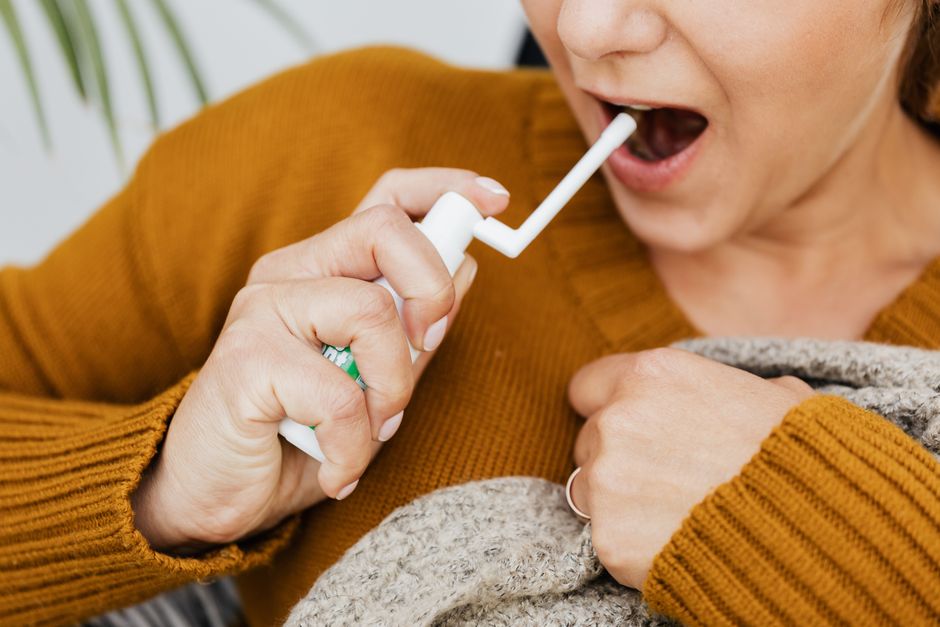
A dry throat is a common annoyance that usually comes from your environment, your breathing habits, or a temporary health issue. Most of the time it is not serious and can be fixed with simple home care like drinking water or using a humidifier. However, understanding the actual cause is the first step to getting the right relief, especially if the dryness persists for more than a few days.
What Causes A Dry Throat And How To Find Relief?
A dry throat happens when the mucous membranes in your throat lose moisture. The most common causes are dry indoor air, mouth breathing, dehydration, and allergies. Relief usually starts with replacing that lost moisture through fluids, humidity, and rest. If the dryness comes with severe pain, a high fever, or trouble swallowing, that points to an infection that may need medical attention.
Why Does My Throat Get Dry Even When I Drink Water?
Drinking water helps, but it does not always fix the problem. The moisture in your throat evaporates quickly when the air around you is dry. This is common in winter when heating systems pull humidity out of the air, or in summer when air conditioning does the same thing.
Mouth breathing is another big factor. When you breathe through your nose, the air gets warmed and moistened before it reaches your throat. When you breathe through your mouth, that step is skipped. The result is a dry, scratchy throat, especially in the morning. Nasal congestion from a cold or allergies often forces you into mouth breathing without realizing it.
Some medications also dry out the throat as a side effect. Antihistamines, decongestants, and certain blood pressure drugs reduce mucus production. This can leave your throat feeling parched no matter how much water you drink.
Is A Dry Throat A Sign Of Dehydration?
Sometimes. Dehydration reduces the amount of saliva your body produces, and saliva is what keeps your throat moist. If you have not had enough fluids, your mouth and throat will feel dry. You might also notice darker urine, fatigue, or dizziness.
But dehydration is only one possible cause. You can be fully hydrated and still have a dry throat if the air is dry or you are breathing through your mouth. If drinking water does not relieve the dryness within an hour or two, the cause is likely environmental rather than fluid intake.
A good rule is to check your urine color. Pale yellow usually means you are well hydrated. Dark yellow or amber suggests you need more fluids. If your urine is consistently dark despite drinking water, that is worth mentioning to a doctor.





Can Allergies Or Post-Nasal Drip Cause A Dry Throat?
Yes, but the mechanism is not what most people expect. Allergies usually create excess mucus, which drips down the back of your throat. That post-nasal drip can cause throat irritation, coughing, and a sensation of something stuck in your throat. The irritation can make your throat feel raw and dry, even though there is plenty of mucus present.
Allergy medications can make this worse. Antihistamines dry up mucus throughout your body, including the protective lining of your throat. This is why some people with allergies complain that their throat feels drier after taking their medication, even though their nasal symptoms improve.
If you suspect allergies, pay attention to other signs like sneezing, itchy eyes, or a runny nose. These symptoms together point more strongly to allergies than a dry throat alone.
What Illnesses Cause A Dry Throat?
The common cold and flu are frequent causes. Viral infections inflame the throat tissues and reduce mucus production. The dryness is usually accompanied by other symptoms like a runny nose, cough, or fever. These infections typically run their course within a week or two.
Strep throat is a bacterial infection that causes severe throat pain, but it does not usually present as simple dryness. Strep typically comes with sudden pain, difficulty swallowing, fever, and sometimes white patches on the tonsils. If you have these symptoms, see a doctor. Strep requires antibiotics, and it does not resolve on its own.
Gastroesophageal reflux disease, or GERD, can also cause throat dryness. Stomach acid backs up into the esophagus and throat, especially at night when you lie down. The acid irritates the throat lining and can leave you with a dry, sore feeling in the morning. You might also notice a bitter taste or a chronic cough.
When Should I See A Doctor For A Dry Throat?
Most dry throats resolve on their own within a few days. You should see a doctor if the dryness lasts longer than two weeks without improvement, or if it comes with any of the following:
- Difficulty swallowing or breathing
- A high fever above 101°F (38.3°C)
- Lumps in your neck
- Hoarseness that lasts more than three weeks
- Blood in your saliva or phlegm
- Unexplained weight loss
These symptoms can indicate a more serious condition that needs proper evaluation. Persistent throat dryness can sometimes be a sign of an autoimmune condition like Sjögren’s syndrome, which affects moisture-producing glands. It can also be related to diabetes, which causes increased urination and fluid loss.
What Are The Best Home Remedies For A Dry Throat?
Simple remedies work well for most cases. Here are the most effective options:
- Drink water regularly throughout the day, not just when your throat feels dry. Sipping small amounts frequently is better than drinking a large glass all at once.
- Use a humidifier in your bedroom, especially during winter. Keeping indoor humidity between 30% and 50% helps prevent moisture loss from your throat.
- Suck on lozenges or hard candy to stimulate saliva production. Look for sugar-free options to protect your teeth.
- Gargle with warm salt water to soothe irritated throat tissues. Mix about half a teaspoon of salt into a cup of warm water.
- Avoid caffeine and alcohol, which both act as diuretics and can worsen dehydration.
- Take a warm shower and breathe in the steam. This adds moisture directly to your airways.
- Stay away from smoke and other irritants that can further dry and inflame your throat.
Honey is a popular home remedy for sore throats. Some research suggests it can soothe irritation and reduce nighttime coughing. You can take a spoonful of honey or mix it into warm tea. Do not give honey to children under one year old due to the risk of infant botulism.
Can Changing My Sleep Habits Help A Dry Throat?
Yes, especially if your dry throat is worst in the morning. Sleeping on your back with your mouth open is a major cause of morning throat dryness. Try sleeping on your side, which makes mouth breathing less likely.
Elevating your head with an extra pillow can help if acid reflux is the cause. Keeping your head higher than your stomach makes it harder for acid to travel upward while you sleep. This is not a cure for GERD, but it can reduce nighttime symptoms.
Breathing through your nose at night is the goal. If nasal congestion forces you to mouth breathe, consider a saline nasal spray before bed. This can clear your nasal passages without the drying side effects of decongestant sprays.
Are There Medical Treatments For Chronic Dry Throat?
If home remedies do not help, a doctor can investigate underlying causes. Treatment depends on what is driving the dryness. For GERD, proton pump inhibitors or H2 blockers can reduce stomach acid production. For allergies, prescription antihistamines or nasal corticosteroids may work better than over-the-counter options.
Saliva substitutes are available for people with chronically reduced saliva production. These come as sprays, gels, or lozenges and can provide temporary moisture. They are not a cure, but they can make daily life more comfortable.
If a medication is causing your dry throat, your doctor may adjust the dose or switch you to an alternative. Never stop a prescription medication on your own. Always discuss side effects with your healthcare provider.
What Makes A Dry Throat Worse?
Certain habits and environments make dry throat more likely to occur or harder to resolve. Smoking is one of the worst offenders. Tobacco smoke directly irritates the throat and reduces its natural moisture. Vaping can have similar effects, though research on long-term effects is still developing.
Air travel is another common trigger. The humidity in airplane cabins is very low, often below 20%. A long flight can leave your throat dry for hours afterward. Drinking water during the flight and avoiding alcohol can help.
Spicy and salty foods can also contribute. They can irritate an already dry throat and increase your body’s need for fluids. If your throat is bothering you, bland foods are a safer choice until it improves.
Frequently Asked Questions
Can a dry throat be a sign of COVID-19?
A dry throat can occur with COVID-19, but it is not one of the most common or specific symptoms. Fever, cough, and loss of taste or smell are more typical indicators, and testing is the only way to confirm.
How long does a dry throat last?
A dry throat from environmental causes usually resolves within a day or two once you address the cause. If it lasts more than two weeks or keeps coming back, see a doctor to rule out an underlying condition.
Is it better to drink cold or warm water for a dry throat?
Either temperature works for hydration, but warm liquids like tea can be more soothing to irritated throat tissues. Cold water is fine if that is what you prefer, as long as you are drinking enough.
Can stress cause a dry throat?
Stress can contribute indirectly by causing shallow mouth breathing or by worsening acid reflux. Stress itself does not directly dry out the throat, but it can make existing causes worse.
