
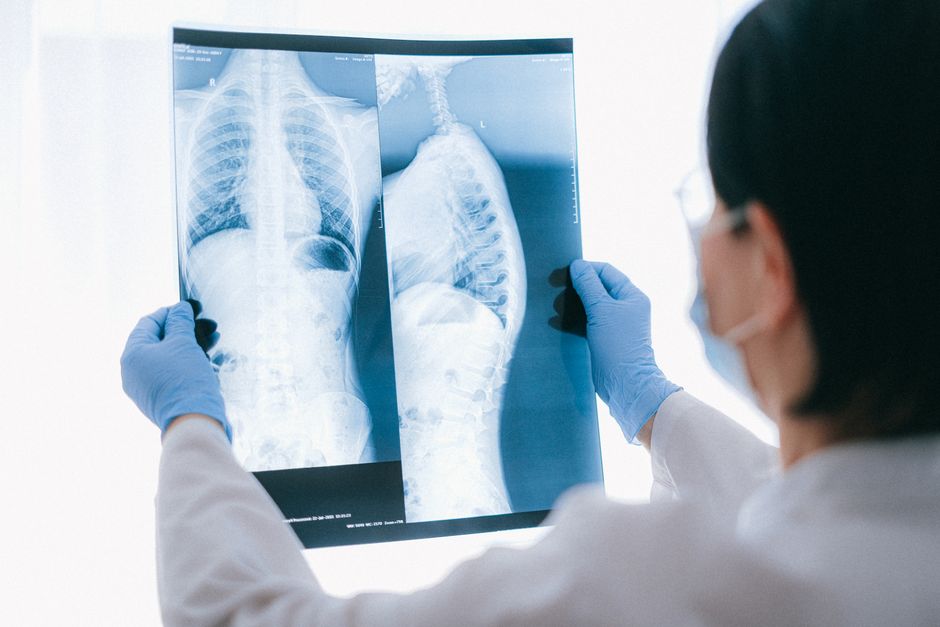
A collapsed lung happens when air, blood, or another substance gets into the space between your lung and your chest wall, pushing the lung away from where it should sit. In adults, the most common cause is a spontaneous pneumothorax — a small rupture on the lung surface that lets air leak into the chest. Other causes include chest injury, underlying lung disease, and certain medical procedures.
The word “collapsed” makes it sound like the lung deflates like a balloon. It does not. The lung is not empty or flat. It is compressed — squeezed inward by pressure from outside. That distinction matters because it explains why symptoms and treatment work the way they do.
What Causes A Collapsed Lung In Adults Types And Triggers?
Doctors sort collapsed lung into two broad categories: pneumothorax and atelectasis. They sound similar and both involve a lung that is not fully expanded, but the mechanics are different.
Pneumothorax means air has entered the pleural space — the thin gap between the lung and the inside of the chest wall. That air pushes against the lung and causes it to pull away from the chest wall. This is what most people mean when they say “collapsed lung.”
Atelectasis means part of the lung tissue itself has deflated because the small air sacs are not getting air. This can happen after surgery, from a mucus plug blocking an airway, or from something pressing on the lung from outside. Atelectasis is not the same as pneumothorax, though the two can overlap.
Within pneumothorax, there are subtypes:
- Primary spontaneous pneumothorax — happens without an obvious trigger or known lung disease
- Secondary spontaneous pneumothorax — happens because of existing lung disease
- Traumatic pneumothorax — caused by a chest injury
- Tension pneumothorax — a medical emergency where pressure builds and pushes on the heart and major vessels
Each type has different triggers and different levels of urgency.
What Is Primary Spontaneous Pneumothorax?
Primary spontaneous pneumothorax occurs in people who do not have a known lung condition. It is most common in tall, thin men between the ages of 20 and 40. The reason is not fully understood, but body shape and lung anatomy appear to play a role.
The usual cause is a small blister on the surface of the lung called a bleb or bulla. These are tiny air pockets that form just under the lung’s outer lining. When one ruptures, air escapes into the pleural space.
Many people with this type have no warning. It can happen at rest, during sleep, or during light activity. Smoking is the single strongest risk factor. The risk also rises with a family history of pneumothorax and with certain inherited connective tissue conditions that affect the lungs.
One detail worth knowing: recurrence is common. After a first primary spontaneous pneumothorax, the chance of another one is meaningful, which is why doctors sometimes recommend preventive treatment after a second episode.
What Is Secondary Spontaneous Pneumothorax?
Secondary spontaneous pneumothorax happens when an existing lung disease weakens the lung tissue enough that it tears or leaks. This type tends to be more serious than the primary form because the person already has reduced lung function.
Conditions linked to this type include:
- COPD — chronic obstructive pulmonary disease, especially with emphysema
- Cystic fibrosis
- Lung infections — including tuberculosis and some types of pneumonia
- Interstitial lung disease — a group of conditions that scar the lung tissue
- Lung cancer
- Endometriosis — in a rare form that affects the chest around the time of menstruation
Because the lungs are already compromised, even a small leak can cause significant breathing problems. Symptoms may be more severe and come on faster than in the primary type.




What Triggers a Collapsed Lung?
Triggers fall into a few groups. Some are physical. Some are medical. Some are related to the lungs themselves.
Physical triggers include:
- Chest injury — a broken rib, a stab wound, or a hard blow to the chest
- Blast injuries from explosions
- Scuba diving — pressure changes can cause air to enter the pleural space
- High-altitude exposure in rare cases
- Vigorous physical exertion, though this is uncommon as a sole trigger
Medical triggers include:
- Mechanical ventilation — a breathing machine can push air into the pleural space
- Central line placement — a catheter inserted near the neck or chest
- Lung biopsy or other procedures that pass a needle into the chest
- Thoracentesis — draining fluid from around the lung
- Surgery in the chest or abdomen
Lung-related triggers include:
- Rupture of a bleb or bulla
- Severe coughing fits
- Infections that destroy lung tissue
- Inflammatory conditions that weaken the lung lining
In many cases, no clear trigger is ever found. That is common with primary spontaneous pneumothorax.
How Do You Know If a Lung Has Collapsed?
Sudden chest pain and shortness of breath are the classic signs. The pain is often sharp and one-sided. It may get worse when you breathe in or cough. Some people feel only mild discomfort. Others feel like they cannot catch their breath at all.
Other possible symptoms include:
- Rapid heart rate
- Rapid breathing
- A feeling of tightness in the chest
- Bluish tint to the lips or fingertips in severe cases
- Fatigue or a general sense of not feeling right
The severity of symptoms does not always match the size of the collapse. A small leak can cause intense pain. A larger one can sometimes cause less pain but more breathing difficulty. This is why imaging — usually a chest X-ray — is needed to confirm what is happening.
If you have sudden severe chest pain, especially with trouble breathing, seek emergency care. Do not wait to see if it passes.
What Is a Tension Pneumothorax?
Tension pneumothorax is the most dangerous form. It happens when air keeps entering the pleural space but cannot escape. Pressure builds up on one side of the chest and starts pushing the heart and major blood vessels out of position.
This is a life-threatening emergency. Signs include severe shortness of breath, low blood pressure, rapid heart rate, and distended neck veins. In some cases, one side of the chest looks larger or does not move normally with breathing.
Treatment is immediate. A doctor inserts a needle or tube into the chest to release the pressure. This is done before imaging in many cases because the condition can worsen quickly.
Tension pneumothorax is more common after trauma or in people on mechanical ventilation. It is rare in the primary spontaneous type.
What About Atelectasis?
Atelectasis is a different problem. It means part of the lung has not expanded or has collapsed inward because air is not reaching that area. It is not caused by air in the pleural space.
Common causes include:
- Mucus plugging an airway after surgery
- Shallow breathing from pain or sedation
- A tumor or lymph node pressing on an airway
- Prolonged bed rest
- Foreign object in the airway
Atelectasis is often a complication of hospitalization. It can usually be improved with deep breathing exercises, coughing, and getting up and moving. In some cases, a doctor may use a device called an incentive spirometer to help the lungs expand.
The symptoms can be subtle. Some people notice only a mild shortness of breath or a low-grade fever. Others have no symptoms at all and it is found on a routine X-ray.
When Should You Get Help?
Get emergency care for sudden chest pain, especially if it comes with shortness of breath, rapid heartbeat, or a feeling that something is very wrong. These signs can point to a collapsed lung or another serious condition.
Do not try to treat a suspected collapsed lung at home. There is no home remedy. The only way to confirm and treat it is with medical imaging and, in many cases, a procedure to remove the air or fluid.
If you have a known lung condition like COPD or cystic fibrosis, be especially alert to any new chest pain or change in breathing. Call your doctor or go to the emergency room.
Frequently Asked Questions
Can a collapsed lung heal on its own?
A small primary spontaneous pneumothorax sometimes resolves without a procedure, but this depends on size, symptoms, and overall health. Only a doctor can decide whether observation is safe.
What is the most common cause of a collapsed lung in adults?
Primary spontaneous pneumothorax is the most common type in healthy adults, usually from a ruptured bleb on the lung surface. Smoking greatly increases the risk.
Does a collapsed lung always need a chest tube?
No. Small collapses may be watched with repeat X-rays, while larger ones or those causing breathing problems often need a chest tube to remove the air. The decision depends on the type and severity.
Can you fly with a collapsed lung?
No. Air travel and scuba diving are generally not allowed until the lung is fully healed and cleared by a doctor, because pressure changes can make the problem worse.
