
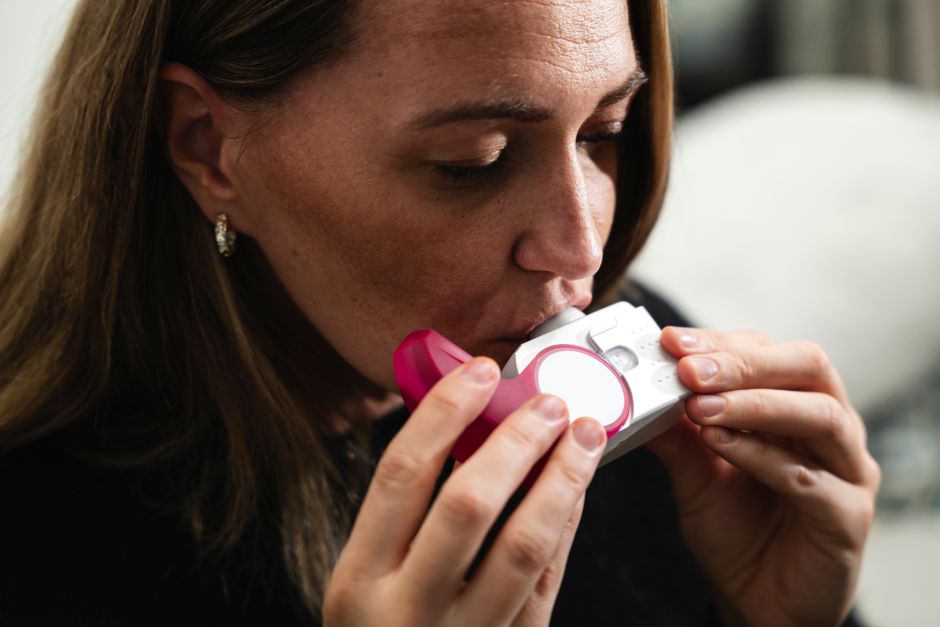
An asthma attack happens when the airways in your lungs narrow, swell, and produce extra mucus, making it hard to breathe. Triggers are the things that set off that chain reaction. They fall into a few broad groups: allergens like pollen and dust mites, irritants like smoke and cold air, respiratory infections, exercise, strong emotions and stress, and certain medications or foods. Most people with asthma have more than one trigger, and the same person can react to different things on different days.
Triggers do not cause asthma. They provoke symptoms in airways that are already sensitive. That distinction matters, because it explains why two people can breathe the same air and only one of them has an attack. The airways of a person with asthma are inflamed at baseline, even when they feel fine. A trigger tips that inflammation into a flare.
What Triggers an Asthma Attack Allergens to Stress?
Allergens and stress are two of the most common trigger categories, but they work through different pathways. Allergens set off an immune reaction. Stress works through the nervous system and through changes in how you breathe.
Common allergic triggers include:
- Pollen from trees, grasses, and weeds
- Dust mites, which live in bedding, carpet, and upholstered furniture
- Pet dander, saliva, and urine
- Cockroach droppings
- Mold spores, indoors and outdoors
- Rodent urine and droppings
Common non-allergic triggers include:
- Tobacco smoke and wood smoke
- Cold air and sudden weather changes
- Air pollution, including ozone and traffic exhaust
- Strong odors, perfumes, and cleaning products
- Respiratory infections, especially viral ones
- Exercise
- Strong emotions, including laughing, crying, and stress
Some people have allergic asthma, some have non-allergic asthma, and many have both. The treatment approach can differ, which is one reason a proper diagnosis matters.
How Do Allergens Set Off an Asthma Attack?
When you breathe in something you are allergic to, your immune system mistakes it for a threat. It produces antibodies called IgE that attach to mast cells in your airways. The next time you encounter that allergen, it binds to those antibodies and the mast cells release histamine and other chemicals.
Those chemicals cause the airway muscles to tighten, the lining to swell, and mucus production to increase. This is the same basic process that happens in allergic rhinitis, or hay fever, except it happens lower down in the lungs. That is why many people with allergic asthma also have nasal allergies, and why treating the nose often helps the chest.
Allergic reactions are not always immediate. Some people get a second wave of symptoms several hours after exposure, which is called a late-phase response. This is one reason asthma symptoms can linger or worsen after you think the trigger is gone.
Can Stress Really Trigger an Asthma Attack?
Yes. Stress and strong emotions are well-recognized asthma triggers. The link is real, though the mechanism is different from an allergic reaction.
Stress activates the sympathetic nervous system, which normally opens the airways. But chronic stress also raises inflammation throughout the body and can make the airways more reactive. Emotional stress can also lead to faster, shallower breathing, which irritates already sensitive airways.
Strong emotions are not limited to negative ones. Laughing hard, crying, or getting excited can all trigger symptoms in some people. This is not “in your head.” It is a physical response in airways that are already primed to react.
Stress also affects asthma indirectly. People under stress may sleep poorly, skip medications, smoke more, or avoid exercise. Each of those can worsen asthma control. So stress can trigger an attack directly and also make you more vulnerable to other triggers.




What Other Triggers Should You Know About?
Beyond allergens and stress, several other triggers are common and worth knowing.
Respiratory infections. Viral infections like the common cold are a leading trigger of asthma flares, especially in children. The infection inflames the airways and makes them more reactive for days or weeks.
Exercise. Exercise-induced bronchoconstriction affects many people with asthma. Symptoms typically start during or shortly after physical activity and are worse in cold, dry air. This does not mean you should avoid exercise. With proper management, most people with asthma can exercise normally.
Weather and air quality. Cold air, high humidity, thunderstorms, and poor air quality days can all provoke symptoms. Some research suggests thunderstorm asthma events, where many people experience attacks at once, are linked to pollen and weather patterns.
Medications. Some people react to aspirin and other nonsteroidal anti-inflammatory drugs. Beta-blockers, used for blood pressure and heart conditions, can also worsen asthma in some people. If you have asthma, tell any prescriber about your condition.
Occupational exposures. Workplace substances like dusts, fumes, and chemicals cause asthma in some people and worsen it in others. If symptoms improve on weekends or vacations, that pattern is worth mentioning to a doctor.
Reflux. Acid reflux can irritate the airways and is associated with worse asthma control in some people, though the relationship is complex and not fully understood.
How Can You Identify Your Own Triggers?
Trigger identification is individual. What sets off one person may do nothing to another. The most reliable approach is to track your symptoms and look for patterns.
A simple symptom diary can help. Note when symptoms occur, what you were doing, where you were, and what you were exposed to. Over a few weeks, patterns often emerge. A doctor can also use allergy testing to identify specific sensitivities, though a positive test does not always mean that substance is triggering your asthma.
Once you identify triggers, you can reduce exposure where possible. For allergens, that might mean dust mite covers on bedding, keeping humidity low to limit mold, or avoiding pets in the bedroom. For irritants, it means avoiding smoke and strong fragrances. For stress, it may mean sleep, exercise, and whatever helps you manage tension.
Reducing exposure helps, but it is rarely enough on its own. Most people with asthma also need medication to control the underlying inflammation. Trigger avoidance and medication work together, not as alternatives.
Why Does the Same Trigger Affect People Differently?
Asthma is not one condition. It is a group of conditions with similar symptoms but different underlying biology. Some people have strongly allergic asthma driven by IgE. Others have asthma driven mainly by irritants, infections, or other factors.
Airway sensitivity also varies. Two people can have the same level of inflammation and respond very differently to the same trigger. Genetics, age, environment, and how long someone has had asthma all play a role.
This variability is why asthma care is personalized. A treatment that works well for one person may not work for another. It is also why “my friend’s inhaler” is not a useful guide for your own care.
When Should You Seek Medical Help?
Seek emergency care if you have severe difficulty breathing, if your lips or fingernails turn blue or gray, if you cannot speak in full sentences, or if your rescue inhaler is not helping. These are signs of a severe attack that needs immediate treatment.
See a doctor if you are using a rescue inhaler more than twice a week, if symptoms wake you at night, or if you are limiting activities because of breathing. These patterns suggest your asthma is not well controlled and your treatment plan may need adjusting.
Asthma is manageable for most people. The goal is not just to treat attacks when they happen, but to prevent them. That usually means identifying triggers, reducing exposure where you can, and taking controller medication as prescribed. If you are not sure what is triggering your symptoms, that is a conversation worth having with your doctor.
Frequently Asked Questions
Can stress alone cause an asthma attack?
Stress can trigger an asthma attack in someone whose airways are already sensitive, but it does not cause asthma itself. It works by increasing airway reactivity and changing breathing patterns, not through an allergic reaction.
What are the most common asthma triggers?
Common triggers include allergens like pollen and dust mites, respiratory infections, cold air, smoke, exercise, and strong emotions. Most people with asthma have several triggers rather than just one.
How do I know if allergies are triggering my asthma?
Patterns help. If symptoms flare during pollen season, after dust exposure, or around pets, allergies may be involved. Allergy testing can identify sensitivities, though a positive result does not always mean that substance is causing your symptoms.
Does exercise always trigger asthma?
No. Exercise triggers symptoms in many people with asthma, but with proper treatment most can exercise normally. Symptoms are often worse in cold, dry air and usually start during or shortly after activity.
