
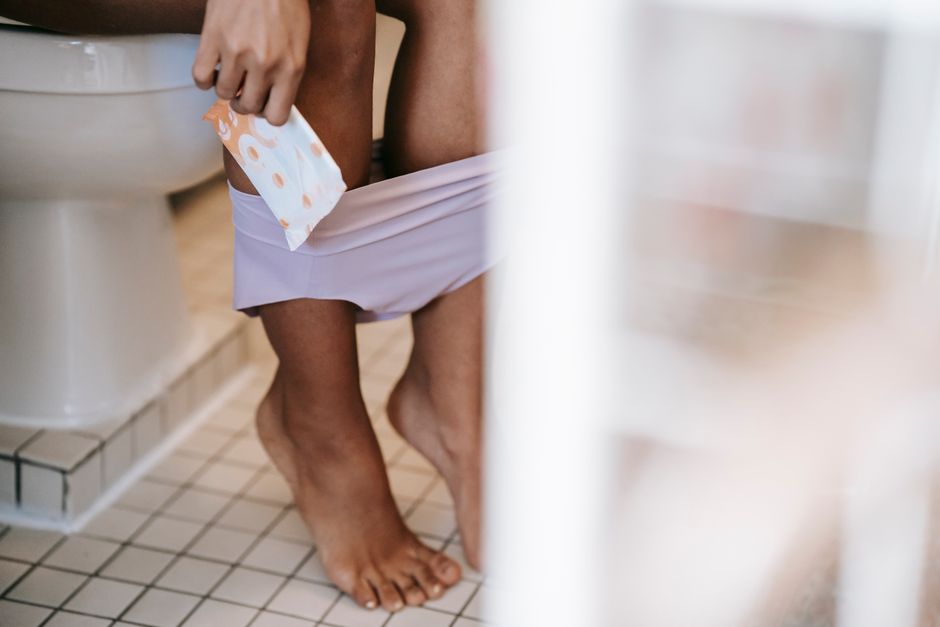
Urinating frequently means passing urine more often than is typical for you. For most adults, that generally means more than the roughly six to eight trips a day many people average, though “normal” varies widely with how much you drink and other factors. The causes range from simple and temporary, like drinking more fluids or caffeine, to medical conditions such as diabetes, urinary tract infections, an enlarged prostate, or an overactive bladder. Figuring out the cause starts with two questions: are you passing more total urine than usual, or just feeling the need to go more often?
What Cause To Urinate Frequently?
Frequent urination usually comes down to one of two problems. Either your body is genuinely making more urine, or your bladder is signaling the need to empty more often than it needs to.
The first category is called polyuria. Your kidneys produce more urine than normal. Common drivers include high fluid intake, uncontrolled diabetes (where excess glucose pulls water into the urine), and certain medications such as diuretics. The second category is about bladder storage and signaling. Your bladder may hold a normal amount of urine but feel the urge to empty sooner. Urinary tract infections, an overactive bladder, and prostate enlargement all work this way.
That distinction matters. If you are making more urine, the cause often sits outside the bladder entirely. If your bladder is just signaling more often, the cause is usually local to the urinary tract. Doctors use this split to decide what to test first.
There is a detail worth knowing. Many people who report frequent urination are actually passing a normal volume, just in smaller amounts more often. Others are passing a genuinely large volume. These are different problems with different causes, and the treatment path diverges quickly.
Is It a Urinary Tract Infection or Something Else?
Urinary tract infections are one of the most common causes of frequent urination, especially in women. Bacteria in the bladder irritate the lining, which triggers the urge to go even when little urine is present.
With a UTI, frequent urination usually comes with other signs. Burning or stinging when you urinate is common. So is a strong, sudden urge, cloudy or strong-smelling urine, and sometimes lower belly pressure. Fever and back pain suggest the infection may have moved to the kidneys, which needs prompt medical attention.
Men can get UTIs too, though less often. When they do, the symptoms can overlap with prostate problems, which makes the picture harder to sort out without testing.
One clarification: a UTI does not always produce dramatic symptoms. In older adults, confusion or a sudden change in behavior can sometimes be the main sign. This is well recognized in clinical practice, though it is easy to miss.
Can Diabetes Make You Urinate More Often?
Yes. Frequent urination is one of the classic early signs of diabetes, and it is often one of the first things people notice.
Here is the mechanism. When blood glucose runs high, the kidneys cannot reabsorb all of it. The excess glucose stays in the urine and pulls water with it through a process called osmotic diuresis. The result is a large volume of urine and a constant need to go. This is why unexplained frequent urination, especially with increased thirst and fatigue, is a reason to get blood sugar checked.
Both type 1 and type 2 diabetes can cause this. In type 1, the onset can be sudden and the urination can be dramatic. In type 2, it often develops gradually and may go unnoticed for a while.
If frequent urination comes with unusual thirst, unexplained weight loss, or blurry vision, that combination deserves a prompt medical visit. These are recognized warning signs, not things to watch for months.





Why Do Men Urinate More Often as They Age?
An enlarged prostate is the most common cause of frequent urination in men over 50. The prostate sits right below the bladder and surrounds the tube that carries urine out. As it enlarges, it can narrow that tube and irritate the bladder.
The result is often a weaker stream, a feeling of not fully emptying, and more trips to the bathroom, especially at night. This condition is called benign prostatic hyperplasia, or BPH. It is not cancer, but its symptoms can overlap with prostate cancer, so persistent urinary changes in men are worth a proper evaluation.
Prostate size alone does not predict symptoms. Some men with a large prostate have few complaints, and some with a modestly enlarged one have significant trouble. How the prostate presses on the bladder outlet matters more than its absolute size.
What Is an Overactive Bladder?
An overactive bladder is a pattern of sudden, hard-to-control urges to urinate, often with frequency and sometimes with leakage. It happens when the bladder muscle contracts at the wrong time, even when the bladder is not full.
This is a real and common condition, not a sign of weakness or a normal part of aging you simply have to accept. It affects both men and women. The exact cause is not fully understood in every case, but nerve signals between the bladder and brain play a central role.
Some cases improve with bladder training, pelvic floor exercises, and adjusting fluid habits. Others need medication or other treatments. The evidence for behavioral approaches is reasonably strong for many people, though results vary. If urgency is disrupting your sleep or your daily life, it is worth discussing with a clinician rather than coping silently.
What Everyday Habits and Medications Play a Role?
Not every case has a medical cause. Everyday habits and certain medications can drive frequent urination on their own.
- Caffeine and alcohol both increase urine output and can irritate the bladder.
- Drinking large volumes, especially in the evening, predictably increases nighttime trips.
- Diuretics (water pills) used for blood pressure and heart conditions increase urine production by design.
- Some other medications can affect bladder function or urine output, so a medication review is often useful.
Timing matters as much as quantity. Shifting fluid intake earlier in the day and cutting back close to bedtime can reduce nighttime urination for many people. This is a simple adjustment with a reasonable track record, though it will not fix a case that has a medical cause underneath.
When Should You See a Doctor?
See a doctor if frequent urination is new, persistent, or disrupting your sleep or daily life. Also seek care if it comes with pain, blood in the urine, fever, or a sudden change in how much you drink and urinate.
Certain combinations warrant prompt attention. Frequent urination with unusual thirst and weight loss points toward diabetes. Frequent urination with fever and back pain suggests a kidney infection. In men, a sudden inability to urinate at all is a medical emergency and needs immediate care.
A clinician will typically ask about timing, volume, fluid habits, and medications, then may order a urine test, blood sugar check, or other tests depending on what they find. The goal is to identify whether the problem is about urine production or bladder signaling, because that determines what comes next.
Frequently Asked Questions
How many times a day is too many to urinate?
There is no single cutoff, but generally passing urine more than about eight times in 24 hours is considered frequent. What matters more is whether it is new, disruptive, or paired with other symptoms.
What is the most common cause of frequent urination?
It depends on age and sex. In women, urinary tract infections are a leading cause. In men over 50, an enlarged prostate is most common. Across all adults, high fluid intake and diabetes are frequent contributors.
Can stress make you urinate more often?
Yes. Stress and anxiety can increase bladder urgency and frequency in some people, partly through nervous system effects on the bladder. It is rarely the whole explanation, so other causes should still be considered.
Does frequent urination always mean something is wrong?
No. Drinking a lot of fluid, caffeine, or alcohol can cause it without any medical problem. It becomes worth checking when it is persistent, new, or comes with other symptoms.
