
Blood infection — doctors call it bacteremia when bacteria are in the blood, and sepsis when the body’s response to that infection starts damaging its own tissues — almost always starts somewhere else in the body. Bacteria, and less often fungi, enter the bloodstream from a specific source: a skin wound, a urinary tract infection, a lung infection, an infected surgical site, or a medical device like a catheter. The blood itself is rarely where the problem begins. It is where the problem spreads.
That distinction matters. A blood infection is not a disease that appears out of nowhere. It is a complication of an infection that already exists, which is why recognizing the original site and treating it early is the core of prevention. When bacteria reach the bloodstream, the immune system responds with a body-wide inflammatory reaction. In some people that reaction stays controlled. In others it escalates into sepsis, which is a medical emergency.
What Cause Infection Of Blood?
The direct cause is microorganisms entering the bloodstream and multiplying or triggering a systemic immune response. Bacteria are responsible for the large majority of cases. Fungi, particularly Candida species, cause a smaller but clinically important share, mostly in hospitalized patients and people with weakened immune systems.
The entry point is the key concept. Microorganisms need a route in. Common routes include:
- Skin and soft tissue: cuts, burns, surgical incisions, pressure sores, and severe skin infections such as cellulitis.
- Urinary tract: urinary tract infections, especially when they involve the kidneys, are a frequent source of bloodstream infection.
- Lungs: pneumonia can allow bacteria to cross into the blood.
- Abdomen: infected bile ducts, appendicitis, perforated bowel, and abdominal abscesses.
- Intravascular devices: central venous catheters, dialysis lines, and implanted ports provide a direct physical path into the bloodstream.
- Heart valves: in endocarditis, bacteria colonize a valve and seed the blood continuously.
- Bones and joints: osteomyelitis and septic arthritis can spill organisms into circulation.
Certain bacteria are especially associated with bloodstream infection, including Staphylococcus aureus, Escherichia coli, Klebsiella species, and Streptococcus pneumoniae. Which organism is most likely depends heavily on where the infection started and where the person acquired it — in the community or in a hospital.
How Do Bacteria Actually Get Into the Bloodstream?
Bacteria cross into the blood through a breakdown in the body’s barriers. Skin and mucous membranes are the primary defenses. When they are breached — by injury, surgery, a catheter, or an infection that erodes tissue — organisms gain access to blood vessels beneath.
There are two broad patterns. In continuous bacteremia, a persistent source like an infected heart valve or an infected catheter sheds organisms into the blood steadily. In intermittent bacteremia, bacteria enter in bursts, often tied to a procedure or a localized infection flaring up.
One clarification worth knowing: not every presence of bacteria in the blood means illness. Small numbers of bacteria can enter the bloodstream during routine activities like vigorous tooth brushing or certain dental procedures, and a healthy immune system clears them quickly. This is called transient bacteremia. It becomes a clinical problem when the immune system cannot clear the organisms, when the numbers are high, or when a source keeps replenishing them.
Who Is at Higher Risk?
Risk is not evenly distributed. People with certain conditions or exposures face a higher chance that a localized infection will spread to the blood.
- Weakened immune systems: from chemotherapy, organ transplant medications, advanced HIV, or certain immune disorders.
- Hospitalization and invasive devices: central lines, urinary catheters, and mechanical ventilation all create entry points.
- Very young and very old age: infants and older adults have less robust immune defenses.
- Chronic conditions: diabetes, kidney disease requiring dialysis, and liver disease are associated with higher risk.
- Breaks in the skin: burns, severe wounds, and pressure ulcers.
- Intravenous drug use: this carries a notably high risk of bloodstream infection and endocarditis.
- Recent surgery: especially abdominal or cardiac procedures.
The evidence here is strong and consistent. What varies is the magnitude of risk for each factor, which depends on the specific clinical situation. No single number applies across all groups.





How Do You Recognize a Blood Infection?
Early signs are often vague and easy to mistake for a bad flu. Fever, chills, and feeling generally unwell are common. So is a fast heart rate. As the condition progresses, more concerning signs appear.
Warning signs that warrant urgent medical attention include:
- High fever or, notably, an abnormally low body temperature.
- Rapid breathing or shortness of breath.
- Confusion, drowsiness, or difficulty staying alert.
- Very low urine output.
- Cold, clammy, or mottled skin.
- A rapid heart rate that does not match the situation.
Low blood pressure that does not respond to fluids is a hallmark of septic shock, the most severe form. Importantly, older adults and people with weakened immune systems may not mount a fever at all, which can delay recognition. Absence of fever does not rule out a serious bloodstream infection.
How Is a Blood Infection Diagnosed?
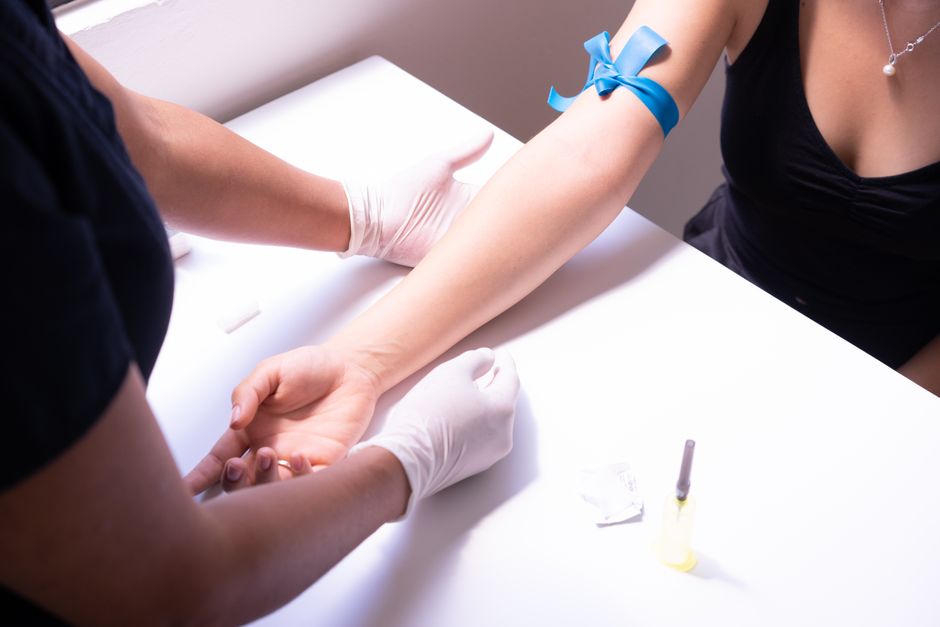
Diagnosis rests on blood cultures — samples of blood drawn and tested in a lab to identify whether organisms are present and which ones. Blood cultures are the standard method and guide which antibiotic is appropriate.
Clinicians also assess vital signs, organ function through blood tests, and look for the original source using imaging when needed. The combination of a confirmed or suspected infection plus signs of organ dysfunction is how sepsis is identified. No single test confirms sepsis on its own; it is a clinical diagnosis supported by lab and vital sign data.
How Is It Treated?
Treatment centers on antibiotics given promptly, usually intravenously, and on controlling the source of infection. Source control is not optional — draining an abscess, removing an infected catheter, or surgically addressing a perforated bowel is often what allows the infection to resolve.
For sepsis, care also includes supporting blood pressure and organ function, sometimes with intravenous fluids and medications that raise blood pressure. In severe cases, intensive care monitoring is required. The specific antibiotic chosen depends on the suspected organism and local resistance patterns, which is why blood cultures matter.
Timing matters a great deal. Delays in appropriate antibiotics are associated with worse outcomes in sepsis. This is well established. What is less settled is the exact optimal time window across all patients, and clinical guidance on this has been refined over time. The general principle — treat suspected sepsis quickly — is not in dispute.
Can Blood Infections Be Prevented?
Prevention focuses on the source, since that is where the problem starts. Treating localized infections promptly, keeping wounds clean and covered, and following wound care instructions after surgery all reduce risk.
In healthcare settings, careful catheter care and prompt removal of devices that are no longer needed are central prevention measures. Hand hygiene among healthcare workers is one of the most effective interventions for reducing hospital-acquired bloodstream infections.
Vaccination against organisms that commonly cause invasive disease, such as Streptococcus pneumoniae, is part of prevention for eligible groups. Which vaccines are recommended depends on age and health status, and recommendations are updated periodically, so it is best to check current guidance from a clinician rather than rely on a fixed list.
For people who inject drugs, harm reduction services and treatment for substance use disorder reduce the frequency of bloodstream infections, though this is a complex area where individual circumstances vary widely.
What Is the Difference Between Bacteremia and Sepsis?
Bacteremia means bacteria are present in the blood. Sepsis means the body’s response to infection is causing organ dysfunction. A person can have bacteremia without sepsis, and sepsis can occur with an infection that never shows up in blood cultures.
This is a common point of confusion. Sepsis is defined by the body’s reaction and its effect on organs, not solely by whether organisms are found in the blood. Some serious infections — pneumonia, for example — can cause sepsis without detectable bacteria in the bloodstream. That is why clinicians treat the whole clinical picture, not just a lab result.
Frequently Asked Questions
Can a blood infection go away on its own?
Mild transient bacteremia from everyday activities clears on its own in healthy people. A true bloodstream infection with symptoms generally requires medical treatment and should not be left to resolve untreated.
Is a blood infection contagious?
The bloodstream infection itself is not spread from person to person. The underlying infection that caused it, such as a respiratory or skin infection, may be contagious depending on the organism.
How fast does sepsis develop?
Sepsis can progress within hours, which is why early recognition and prompt treatment matter. The exact speed varies by person, organism, and source of infection.
Can you have a blood infection without a fever?
Yes. Older adults and people with weakened immune systems may show no fever or even a low temperature. This makes other signs like confusion and rapid breathing especially important to watch for.
