
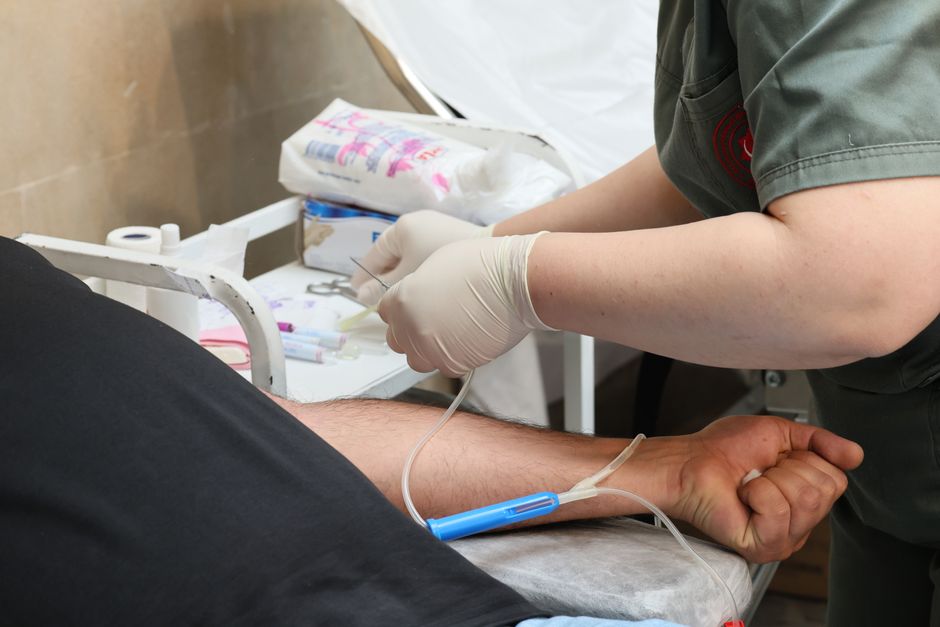
Blood in urine — doctors call it hematuria — is never normal, and it always deserves a medical evaluation. In men, the most common causes are urinary tract infections, kidney or bladder stones, an enlarged prostate, and prostate or bladder cancer. Some causes are minor and treatable; others are serious and need early care. That is why blood in the urine should be checked by a doctor rather than watched at home.
What Cause A Male To Pee Blood?
Blood can enter urine anywhere along the urinary tract — the kidneys, the tubes that carry urine (ureters), the bladder, the prostate, or the urethra. In men, the prostate sits right below the bladder and wraps around the urethra, so prostate problems often show up as urinary symptoms, including blood.
The causes range from short-term irritation to cancer. Here are the ones doctors see most often.
- Urinary tract infection (UTI). Bacteria inflame the bladder or urethra. This is one of the most common causes, especially with burning or a frequent urge to urinate.
- Kidney or bladder stones. Hard mineral deposits scrape the urinary tract as they move. The bleeding is often accompanied by sharp pain in the back or side.
- Enlarged prostate (BPH). A non-cancerous enlarged prostate is very common in men over 50 and can cause blood in urine.
- Prostate cancer. Blood in urine can be a symptom, though many men with early prostate cancer have no urinary symptoms at all.
- Bladder or kidney cancer. Visible blood with no pain is a classic warning sign that doctors take seriously.
- Injury or recent medical procedures. A hard blow to the flank, or a recent catheter or biopsy, can cause temporary bleeding.
- Certain medications. Blood thinners can make bleeding more likely or more visible.
- Strenuous exercise. Intense exertion can occasionally cause temporary blood in urine, though this is uncommon.
One detail that surprises many people: blood in urine is often painless. Painless visible blood is not a reason to relax — it is a reason to get checked sooner, because it can point to cancer.
What Is the Difference Between Visible and Microscopic Blood in Urine?
Doctors split hematuria into two types, and the distinction matters for how it gets evaluated.
Gross hematuria is blood you can see. Urine may look pink, red, or the color of tea or cola. Even a small amount of blood can change the color dramatically.
Microscopic hematuria is blood only a lab can detect. The urine looks completely normal, but a test strip or microscope finds red blood cells. It is usually discovered during a routine checkup.
Both types need a doctor’s attention. Visible blood is more likely to prompt an immediate workup, but microscopic blood can also signal a problem that needs to be found early.
A common mix-up: not everything red in urine is blood. Beets, blackberries, and certain food dyes can tint urine red. So can some medications, including the antibiotic rifampin and the pain reliever phenazopyridine. This is called pseudohematuria — red-looking urine with no actual blood. A simple urine test sorts out which is which.
What Does the Color of Blood in Urine Tell You?
Color can offer clues about where the bleeding is coming from, but it is not a diagnosis. Only testing can confirm the source.
- Bright red or pink. Often points to bleeding lower in the tract, such as the bladder or urethra.
- Brown, tea-colored, or cola-colored. Often points to bleeding higher up, such as the kidneys, where blood has had time to break down.
- Clots in the urine. Can happen with heavier bleeding and should be reported to a doctor promptly.
Color alone cannot tell you whether the cause is minor or serious. A man with bright red urine might have a treatable infection, and a man with tea-colored urine might have a kidney tumor. The color is a starting point, not an answer.





When Should a Man See a Doctor for Blood in Urine?
Any blood in the urine — visible or found on a test — should be evaluated by a doctor. There is no threshold below which it is safe to ignore.
Seek care urgently if blood in urine comes with any of these:
- Pain in the back, side, or lower belly that is severe or getting worse
- Fever, chills, or feeling very unwell
- Inability to urinate, or urinating only in dribbles
- Large clots, or urine that looks like straight blood
- Dizziness, weakness, or a racing heart
Call 911 or go to an emergency room for heavy bleeding, fainting, or severe pain. These can signal a blockage, a serious infection, or significant blood loss.
For blood without those warning signs, see a doctor within days, not months. Early evaluation is how serious causes get caught while they are still treatable.
How Do Doctors Find the Cause?
Doctors work through a standard set of steps to locate the source of the bleeding.
Urine tests. A urinalysis confirms whether the red color is really blood and checks for infection, protein, and other clues. A urine culture can identify bacteria if an infection is suspected.
Imaging. A CT scan or ultrasound can show stones, tumors, or blockages in the kidneys and bladder.
Cystoscopy. A thin tube with a camera is passed through the urethra to look directly at the bladder and urethra. This is often the most useful test for finding bladder problems.
Blood tests. These check kidney function and can help screen for other conditions.
For men over 50, or men with urinary symptoms, a prostate exam and a PSA blood test may be part of the workup. The PSA test is a screening tool with real limits — it can be elevated for reasons other than cancer, and it can miss some cancers. Doctors discuss the pros and cons with each patient rather than ordering it automatically.
What Are the Treatment Options?
Treatment depends entirely on the cause, which is why finding it comes first.
- Infection. Antibiotics clear most UTIs. Symptoms usually improve within a few days, though finishing the full course matters.
- Stones. Small stones often pass on their own with fluids and pain control. Larger ones may need a procedure to break them up or remove them.
- Enlarged prostate. Treatment ranges from watchful waiting to medications to surgery, depending on how much it affects daily life.
- Cancer. Treatment depends on the type, stage, and location. Options can include surgery, radiation, chemotherapy, or immunotherapy.
- Medication-related bleeding. A doctor may adjust blood thinners, but never stop a prescribed blood thinner on your own — that can cause a stroke or clot.
Some bleeding stops on its own, but that does not mean the cause went away. Even if the blood clears up, the underlying problem can still be there.
Can Blood in Urine Be Prevented?
Not all causes can be prevented, but some steps lower the risk of the most common ones.
- Drink enough water to keep urine light yellow. This helps prevent stones and infections.
- Urinate when you feel the urge rather than holding it.
- Treat UTIs promptly instead of waiting them out.
- Limit salt and processed foods, which can raise the risk of kidney stones.
- Do not smoke. Smoking is a leading risk factor for bladder and kidney cancer.
- Keep blood pressure and blood sugar in a healthy range to protect the kidneys.
These habits reduce risk. They do not replace an evaluation when blood actually appears.
What Does Blood in Urine Mean for a Man’s Outlook?
The outlook depends on the cause, not the bleeding itself. Infections and small stones usually resolve fully with treatment. An enlarged prostate is manageable. Cancers found early are far more treatable than cancers found late — which is the strongest argument for getting checked without delay.
Blood in urine is a symptom, not a verdict. The same symptom can come from something minor or something serious, and only a doctor can tell the difference. The men who do best are usually the ones who get evaluated early rather than waiting to see if it goes away.
Frequently Asked Questions
What is the most common cause of blood in urine in men?
Urinary tract infections, kidney or bladder stones, and an enlarged prostate are among the most common causes. Prostate and bladder cancer are also possible, which is why any blood in urine needs a doctor’s evaluation.
Can blood in urine be normal for a man?
No. Blood in urine is never considered normal, even when it causes no pain and clears up on its own. It always warrants a medical check to find the source.
Does painless blood in urine mean cancer?
Not always, but painless visible blood is a well-known warning sign that doctors take seriously because it can point to bladder or kidney cancer. It should be evaluated promptly rather than watched at home.
Can dehydration cause blood in urine?
Dehydration does not directly cause blood in urine, but it can concentrate urine and raise the risk of stones and infections, which can then cause bleeding. Dark urine from dehydration alone is not the same as blood.
