
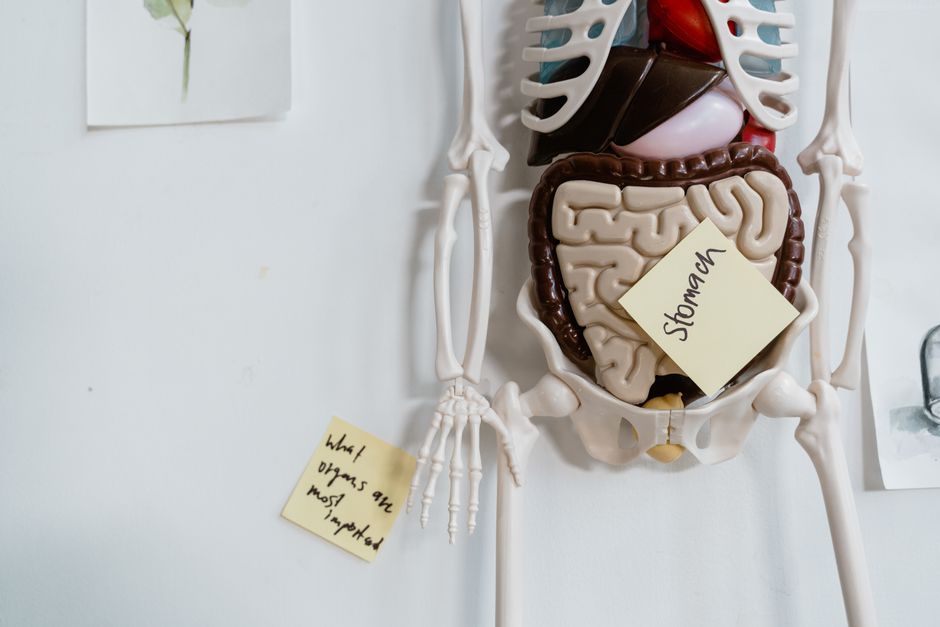
Anxiety stomach aches are real, physical events, not something you are imagining. When your brain perceives a threat, it triggers the release of stress hormones that change how your gut moves, how it senses pain, and how much blood flows to your digestive tract. That is why worry can produce cramping, nausea, butterflies, or urgent trips to the bathroom. The most effective way to stop anxiety stomach aches and cramps is to calm the nervous system directly while also retraining the gut-brain conversation over time, rather than chasing each symptom in isolation.
Why Does Anxiety Cause Stomach Aches And Cramps?
The gut has its own nervous system, often called the enteric nervous system, containing hundreds of millions of neurons. It communicates constantly with the brain through the vagus nerve and through stress hormones circulating in the blood. This two-way connection is called the gut-brain axis.
When you feel anxious, your body releases adrenaline and cortisol. These hormones prepare you to respond to danger. Part of that response diverts blood away from the digestive tract and toward your muscles and heart. Digestion slows or becomes irregular. Muscles in the intestinal wall can contract harder or more unpredictably than usual, which is felt as cramping.
At the same time, the brain becomes more sensitive to signals coming from the gut. A sensation you would normally ignore can register as pain or urgency. This process, called visceral hypersensitivity, is well documented in conditions like irritable bowel syndrome, which is strongly linked to stress and anxiety.
The result is a loop. Anxiety changes gut function, the gut sends alarming signals back to the brain, and the brain interprets those signals as further reason to feel anxious. Breaking that loop is the core of stopping the symptoms.
What Does An Anxiety Stomach Ache Actually Feel Like?
Anxiety-related gut symptoms tend to follow a recognizable pattern, though they vary from person to person. Common sensations include a churning or fluttering feeling in the upper abdomen, a tight or knotted sensation, sharp cramping that comes in waves, and a sudden urge to have a bowel movement.
People also report nausea, a heavy or full feeling after eating very little, bloating, and alternating constipation and diarrhea. Symptoms often worsen before stressful events and improve once the event passes.
It is worth being clear about what anxiety stomach aches are not. They are not a sign that your gut is damaged. They are a sign that its normal regulation has been disrupted by stress signaling. That distinction matters because it helps explain why the symptoms are so responsive to changes in your mental and nervous system state.
How To Stop Anxiety Stomach Aches And Cramps In The Moment
When cramping or nausea is already underway, the goal is to shift your nervous system out of its stress response. The fastest reliable route is through your breathing, because breathing is one of the few automatic body functions you can consciously control.
Slow, extended exhales activate the parasympathetic nervous system, the branch responsible for rest and digestion. Try breathing in through your nose for a count of four and out through your mouth for a count of six to eight. The long exhale is the part that matters most. A few minutes of this can reduce the immediate sense of urgency and cramping for many people.
Other in-the-moment steps that help:
- Place a warm compress or heating pad on your abdomen. Heat relaxes muscle contractions and is a standard comfort measure for cramping.
- Sip warm water or a caffeine-free herbal tea slowly. Cold or carbonated drinks can worsen cramping for some people.
- Avoid lying flat immediately after eating if you feel nauseated. Sitting upright or walking gently often helps.
- Use a grounding technique such as naming five things you can see and four you can touch. This pulls attention away from the pain signal and reduces the anxiety feeding it.
- Loosen tight clothing around your waist to reduce pressure on an already sensitive abdomen.
These steps manage the episode. They do not fix the underlying pattern on their own.





What Reduces Anxiety Stomach Symptoms Over The Long Term?
Lasting relief comes from lowering your baseline anxiety and retraining how your brain interprets gut signals. Several approaches have reasonable evidence behind them.
Psychological therapies. Cognitive behavioral therapy is one of the best-supported treatments for both anxiety and the gut symptoms linked to it. It teaches you to identify and change the thought patterns that fuel the stress response. Gut-directed hypnotherapy also has research support specifically for irritable bowel symptoms, which overlap heavily with anxiety-driven gut complaints.
Regular physical activity. Movement reduces circulating stress hormones and supports normal digestion. You do not need intense exercise. Consistent moderate activity, such as brisk walking, is enough to make a difference for many people.
Sleep. Poor sleep raises stress hormone levels and increases pain sensitivity. Protecting a consistent sleep schedule is one of the most underrated steps for calming the gut-brain axis.
Dietary adjustments. Some people find that large, fatty, or spicy meals trigger symptoms more easily when they are anxious. Eating smaller meals more slowly and chewing thoroughly reduces the load on a sensitized gut. If symptoms are persistent, a clinician may discuss specific eating patterns, but there is no single anxiety diet that works for everyone.
Limiting stimulants. Caffeine and nicotine both amplify the stress response and can directly stimulate gut contractions. Cutting back, especially during high-stress periods, often reduces symptom frequency.
Which Foods And Habits Make Anxiety Gut Symptoms Worse?
Certain inputs reliably aggravate an already sensitive gut. Recognizing them helps you avoid unnecessary flare-ups.
- High caffeine intake, which raises heart rate and mimics anxiety symptoms, feeding the loop.
- Alcohol, which irritates the stomach lining and disrupts sleep.
- Very large or very rich meals, which are harder to digest under stress.
- Skipping meals, which can cause acid buildup and blood sugar swings that worsen anxiety.
- Eating quickly or while distracted, which increases swallowed air and bloating.
None of these are forbidden forever. The point is to notice which ones correlate with your symptoms and reduce them during periods when anxiety is high.
When Should You See A Doctor About Stomach Aches And Cramps?
Anxiety can explain a great deal of gut discomfort, but it does not explain everything. Some symptoms need medical evaluation regardless of how much stress you are under.
See a doctor if you notice blood in your stool, unexplained weight loss, persistent vomiting, difficulty swallowing, a fever alongside abdominal pain, pain that wakes you from sleep, or symptoms that are steadily worsening rather than fluctuating with stress. These are not typical of anxiety-driven gut symptoms and deserve a proper workup.
You should also seek care if your symptoms are severe enough to interfere with eating, working, or daily life, or if you have a family history of inflammatory bowel disease or colorectal conditions. Anxiety and a physical gut condition can exist at the same time, and one does not rule out the other.
This is an important point that often gets lost. Assuming every stomach symptom is “just stress” can delay diagnosis of a treatable condition. Assuming every symptom is a serious disease can fuel the very anxiety that worsens it. A clinician can help you sort out which is which.
Does Calming Anxiety Actually Stop The Stomach Symptoms?
Reducing anxiety reduces the frequency and intensity of stress-driven gut symptoms for most people, but the relationship is not instant or perfect. The gut-brain axis responds to sustained change, not to a single calm afternoon.
This means progress is usually gradual. Someone who has had anxiety-driven gut symptoms for years may notice meaningful improvement over weeks to months of consistent practice, not days. The evidence supports this direction, but individual responses vary widely, and some people need additional medical treatment for their gut symptoms alongside anxiety treatment.
It also helps to understand that the two problems feed each other. Treating only the anxiety can leave lingering gut sensitivity. Treating only the gut symptoms without addressing anxiety often leads to symptoms returning. Addressing both together tends to work better than either alone.
Frequently Asked Questions
Can anxiety really cause stomach cramps?
Yes. Anxiety triggers stress hormones that change gut muscle contractions and increase pain sensitivity, which is felt as cramping. This is a well-documented effect of the gut-brain axis, not imagination.
How do I stop anxiety stomach aches fast?
Slow breathing with long exhales, a warm compress on your abdomen, and a grounding technique can ease an episode within minutes. These calm the nervous system but do not address the underlying pattern by themselves.
Should I see a doctor for anxiety-related stomach pain?
See a doctor if you have blood in your stool, unexplained weight loss, persistent vomiting, fever, or pain that wakes you from sleep. These symptoms are not typical of anxiety and need evaluation.
Does diet help with anxiety stomach problems?
Cutting back on caffeine and alcohol and eating smaller, slower meals can reduce symptom frequency for many people. There is no single diet proven to eliminate anxiety-driven gut symptoms.
