
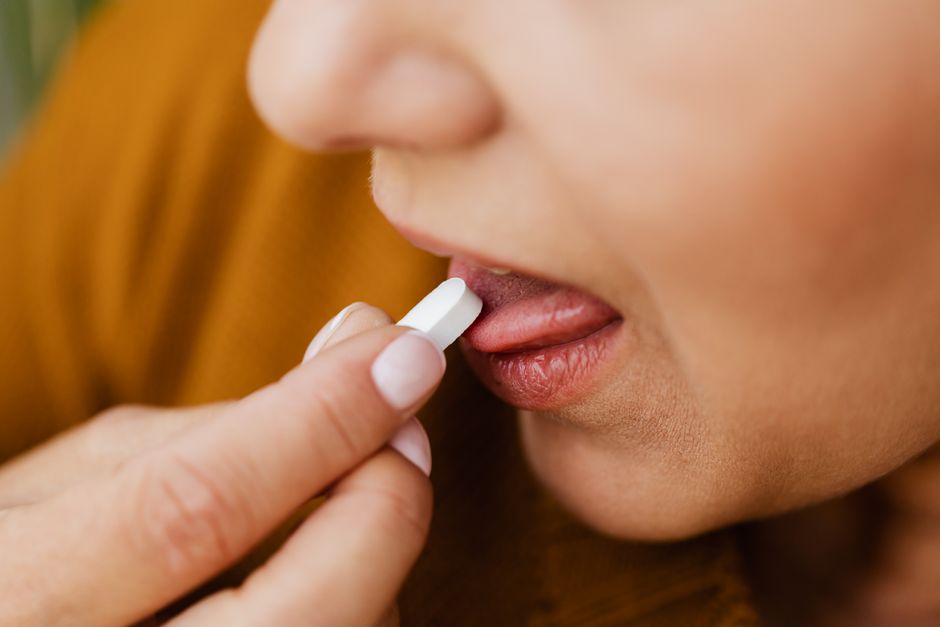
Hydroxyzine is a common antihistamine prescribed for anxiety and allergy symptoms. It works by blocking histamine in the body, which helps with itching and hives, and it also has a calming effect on the brain. However, mixing it with certain other substances can be dangerous. The most critical rule is to never combine hydroxyzine with alcohol or other central nervous system depressants like opioids, benzodiazepines, or sleep aids. This combination can slow your breathing and heart rate to dangerously low levels. You also need to avoid taking it with specific medications that affect heart rhythm, such as certain antibiotics and antifungals, because it can increase the risk of a serious heart condition called QT prolongation.
Why Does Hydroxyzine Interact With Other Drugs?
Hydroxyzine works by blocking histamine receptors in the brain. This action reduces allergy symptoms and produces a sedative effect. The drug also affects other neurotransmitter pathways, which is why it can interact with so many different medications.
Your liver processes hydroxyzine using specific enzymes. Certain drugs can block or speed up these enzymes, changing how much hydroxyzine stays in your bloodstream. When levels rise too high, side effects like extreme drowsiness, confusion, and irregular heart rhythms become more likely.
Understanding these mechanisms helps explain why some combinations are dangerous while others are merely uncomfortable. The most serious interactions involve drugs that also slow down brain activity or that affect the heart’s electrical system.
What Central Nervous System Depressants Are Dangerous With Hydroxyzine?
Central nervous system depressants slow brain activity. Hydroxyzine does this too, even though it is an antihistamine. Taking them together multiplies the effect, which can lead to respiratory depression.
Alcohol is the most common and dangerous combination. Even one drink can cause severe drowsiness, confusion, and impaired coordination. In higher amounts, the combination can suppress breathing enough to be life-threatening. You should not drink alcohol while taking hydroxyzine.
Opioid painkillers such as oxycodone, hydrocodone, and morphine also depress the central nervous system. Combining them with hydroxyzine increases the risk of extreme sedation and respiratory failure. This combination is particularly risky because both drugs are commonly prescribed together for itching associated with opioid use, but the sedation risk is substantial.
Benzodiazepines like alprazolam, diazepam, and lorazepam are used for anxiety and insomnia. They work on the same GABA receptors in the brain. Adding hydroxyzine to these drugs can cause profound sedation and memory problems. Some clinicians prescribe this combination for severe anxiety, but it should only be done under close medical supervision.
Sleep medications including zolpidem and eszopiclone carry the same risk. Taking them with hydroxyzine can cause next-day grogginess, falls, and confusion, especially in older adults.
Muscle relaxants like cyclobenzaprine and carisoprodol also depress the nervous system. The combined sedative effect can impair your ability to drive or operate machinery safely.
What Heart Medications and QT Prolonging Drugs Should You Avoid?
Hydroxyzine can affect the heart’s electrical rhythm. It prolongs the QT interval, which is the time it takes for the heart to recharge between beats. When this interval gets too long, it can trigger a dangerous arrhythmia called torsades de pointes.
Some medications also prolong the QT interval. Taking them with hydroxyzine stacks the risk. The most concerning combinations include:
- Certain antibiotics like erythromycin, clarithromycin, and levofloxacin
- Antifungal medications such as ketoconazole and fluconazole
- Antiarrhythmic drugs including amiodarone and sotalol
- Some antidepressants like citalopram and amitriptyline
- Antipsychotic medications such as haloperidol and quetiapine
- Certain malaria medications including chloroquine
People with existing heart conditions, low potassium or magnesium levels, or a family history of long QT syndrome face the highest risk. Your doctor should check an electrocardiogram before starting hydroxyzine if you take any of these medications or have heart risk factors.





Can You Take Hydroxyzine With Other Antihistamines?
Taking hydroxyzine with other antihistamines is generally not recommended. The anticholinergic effects add up, causing dry mouth, blurred vision, constipation, and urinary retention.
Common over-the-counter antihistamines like diphenhydramine, cetirizine, and loratadine should not be stacked with hydroxyzine. The sedative effect of first-generation antihistamines like diphenhydramine becomes especially dangerous when combined. You should also check combination cold and allergy products, which often contain antihistamines alongside decongestants and pain relievers.
Anticholinergic drugs used for other conditions, such as oxybutynin for overactive bladder, ipratropium for respiratory conditions, and certain medications for Parkinson’s disease, also increase these side effects. Older adults are particularly vulnerable to confusion and falls from this combination.
What About Antidepressants and Mood Medications?
Antidepressants interact with hydroxyzine in several ways. Monoamine oxidase inhibitors, or MAOIs, can cause dangerous blood pressure changes when combined with antihistamines. This combination should be avoided.
Selective serotonin reuptake inhibitors like fluoxetine and paroxetine can increase hydroxyzine levels in your blood. They inhibit the liver enzymes that break down hydroxyzine. This can lead to excessive sedation and other side effects.
Tricyclic antidepressants such as amitriptyline and nortriptyline have strong anticholinergic effects. Combined with hydroxyzine, the risk of severe dry mouth, rapid heart rate, and urinary retention increases significantly. Both drugs also prolong the QT interval, raising the risk of heart rhythm problems.
If you take any antidepressant, tell your doctor before starting hydroxyzine. They may need to adjust your dose or choose a different medication entirely.
What Can You Not Take With Hydroxyzine: The Complete List
Here is the practical list of medications and substances to avoid or discuss with your doctor:
- Alcohol in any amount
- Opioid pain relievers
- Benzodiazepines
- Sleep aids and sedatives
- Muscle relaxants
- Other antihistamines
- MAO inhibitors
- Medications that prolong the QT interval
- Anticholinergic medications
This list is not exhaustive. Many medications interact with hydroxyzine in ways that are not fully understood. The safest approach is to review every medication you take, including over-the-counter drugs and supplements, with your pharmacist or doctor.
Some supplements also cause sedation or affect the liver enzymes that process hydroxyzine. Valerian root, kava, and melatonin can amplify the sedative effect. St. John’s Wort can speed up the breakdown of hydroxyzine, potentially making it less effective.
What Should You Do If You Miss a Dose or Need to Stop?
If you miss a dose of hydroxyzine, take it as soon as you remember unless it is close to your next scheduled dose. Do not double up on doses. Taking too much hydroxyzine can cause severe drowsiness, seizures, and heart rhythm problems.
Do not stop taking hydroxyzine abruptly without talking to your doctor. While it is not generally considered addictive, stopping suddenly after long-term use can cause withdrawal-like symptoms including insomnia, anxiety, and irritability. Your doctor can help you taper off gradually if needed.
If you experience difficulty breathing, a racing or irregular heartbeat, severe dizziness, or fainting while taking hydroxyzine, seek emergency medical attention immediately.
Frequently Asked Questions
Can I drink alcohol while taking hydroxyzine?
No. Alcohol combined with hydroxyzine can cause dangerous respiratory depression, severe sedation, and impaired coordination.
Is it safe to take hydroxyzine with ibuprofen?
Ibuprofen does not have a known major interaction with hydroxyzine, but you should still tell your doctor about all medications you take.
Can I take hydroxyzine with my blood pressure medication?
Some blood pressure medications can interact with hydroxyzine, potentially causing low blood pressure and dizziness. Your doctor needs to review your specific medications.
How long after taking hydroxyzine can I take other medications?
There is no universal waiting period. The interaction risk depends on the specific medication and your individual health factors. Ask your pharmacist about each combination.
