
Chronic inflammation is one of those things most people only think about when a doctor mentions it. Yet it sits behind heart disease, type 2 diabetes, arthritis, and many other conditions. The frustrating part is that the internet is full of inflammation advice that ranges from sensible to nonsense.
What actually works comes down to a short list of habits with real evidence behind them: eating patterns built around vegetables, fruit, whole grains, and fish; regular physical activity; enough sleep; not smoking; and managing stress. No single food or supplement reverses inflammation on its own. The basics, done consistently, do most of the work.
What Is Inflammation, and When Does It Become a Problem?
Inflammation is not a disease. It is a normal immune response. When you cut your finger or catch a virus, your immune system sends cells and chemical signals to the area. Blood vessels widen, fluid and white blood cells move in, and you get redness, heat, swelling, and pain. That process clears the threat and then shuts off.
Acute inflammation like this is protective. It is the reason wounds heal and infections get contained.
The trouble starts when the immune system stays switched on at a low level for months or years. This is called chronic inflammation. It does not usually produce obvious symptoms the way a swollen ankle does. Instead, it quietly damages tissues over time and is linked to cardiovascular disease, insulin resistance, and autoimmune conditions.
Doctors can measure markers like C-reactive protein (CRP) and erythrocyte sedimentation rate (ESR) in blood. These are useful signals, but they are not perfect. A normal CRP does not prove you have no inflammation, and a high one does not tell you exactly where it is coming from or what is causing it. That is why the numbers matter less than the overall clinical picture.
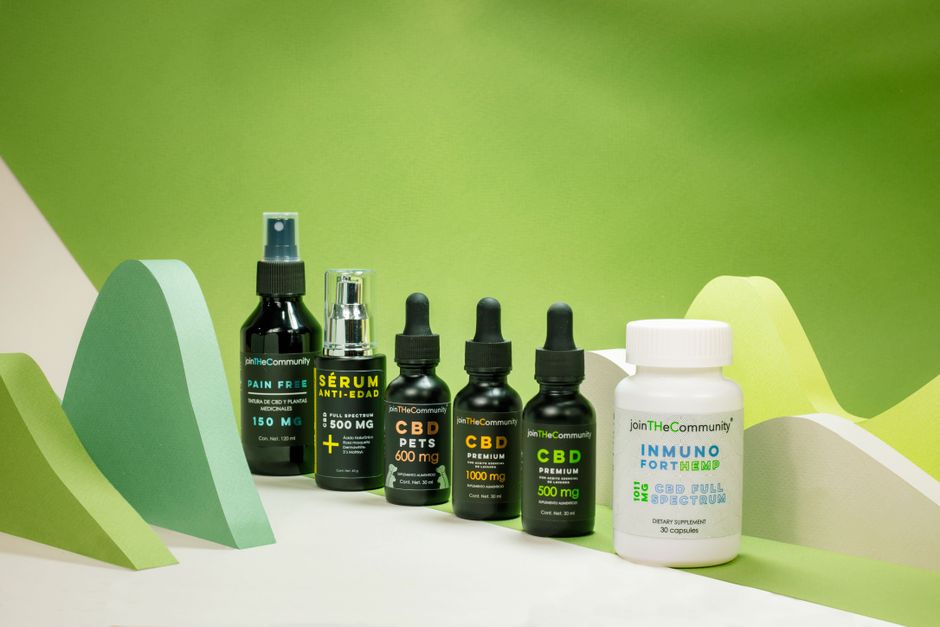
One thing worth clearing up: “inflammation” has become a marketing word. Products from teas to powders to patches claim to “fight inflammation.” Most have no human trial evidence behind them. The concept is real. Most of the products are not.
What Can You Do For Inflammation That Actually Works?
The most reliable approach is not a single fix. It is a set of habits that reduce the underlying drivers of chronic inflammation. Each one has meaningful evidence behind it.
Diet quality is the biggest lever for most people. Eating patterns rich in vegetables, fruit, legumes, whole grains, nuts, olive oil, and fatty fish are consistently associated with lower levels of inflammatory markers in observational studies. The Mediterranean-style pattern is the most studied. It is not a diet in the weight-loss sense. It is a way of eating that appears to calm the immune system over time.
Physical activity reduces inflammation independent of weight loss. Both aerobic exercise and resistance training have been shown to lower markers like CRP in adults. You do not need to run marathons. Regular moderate activity appears to be enough.
Sleep matters more than most people realize. Short sleep and poor sleep quality are linked to higher inflammatory markers. The relationship runs both ways: inflammation can also disrupt sleep, creating a loop.
Not smoking is non-negotiable. Smoking directly triggers inflammation throughout the body, including in blood vessels and lungs.
Stress management has a smaller but real effect. Chronic psychological stress is associated with elevated inflammatory markers, though the research on exactly how much stress reduction helps is less clear than for diet or exercise.
None of these are dramatic. That is the point. Chronic inflammation is not reversed by a single smoothie or a week of clean eating. It responds to what you do most of the time over months and years.
Which Foods Help and Which Ones Hurt?
Food is where most people look first, and it is where most misinformation lives. The honest picture is less exciting than the headlines but more reliable.
Foods associated with lower inflammation in studies include:
- Fatty fish like salmon, sardines, and mackerel, which are high in omega-3 fatty acids
- Vegetables and fruit, especially those rich in color
- Whole grains such as oats, barley, and brown rice
- Legumes including beans, lentils, and chickpeas
- Nuts and seeds
- Olive oil
Foods associated with higher inflammation include:
- Refined carbohydrates like white bread and sugary cereals
- Sugary drinks
- Processed meats
- Fried foods
- Excess alcohol
One clarification that gets lost: no single food is anti-inflammatory in isolation. Turmeric, ginger, and green tea all show some anti-inflammatory activity in laboratory studies. Whether eating normal amounts of them produces meaningful changes in human inflammation is far less established. They are fine to include. They are not treatments.
Omega-3 supplements are a slightly different case. They do appear to lower some inflammatory markers in humans, and prescription-strength versions are used for specific conditions like very high triglycerides. For general inflammation in otherwise healthy adults, the evidence is mixed and the effect is modest. Food sources are generally preferred over supplements unless a doctor recommends otherwise.





Does Exercise Really Reduce Inflammation?
Yes, and the effect is one of the better-documented in this area. Regular physical activity is associated with lower levels of CRP and other inflammatory markers in adults.
The mechanism involves several pathways. Muscle contractions during exercise release signaling molecules that help regulate immune activity. Exercise also improves insulin sensitivity, reduces visceral fat, and supports better sleep, all of which indirectly lower inflammation.
What matters is consistency, not intensity. Moderate activity — brisk walking, cycling, swimming — done most days of the week appears to be enough. There is some evidence that very intense endurance training without adequate recovery can temporarily raise inflammatory markers, but this is a different situation from the chronic low-grade inflammation most people are dealing with.
If you are sedentary now, the biggest gains come from moving from nothing to something. You do not need a gym membership or a training plan to start.
What About Weight, Stress, and Sleep?
These three are connected, and each affects inflammation in ways that are easy to underestimate.
Weight matters because fat tissue is not inert. It releases inflammatory signaling molecules, and excess visceral fat — the kind around the organs — is particularly active. Weight loss, when achieved, tends to reduce inflammatory markers. But weight is not the only factor, and people at any weight can have chronic inflammation driven by other causes.
Stress has a real but harder-to-measure effect. Long-term psychological stress is associated with higher CRP and other markers, likely through the same hormones that regulate the immune system. Whether stress-reduction techniques like meditation or therapy reliably lower inflammation in healthy adults is less settled. What is clear is that chronic stress is bad for health in many ways, and addressing it is reasonable regardless of the inflammation question.
Sleep is the one people skip. Adults who consistently sleep less than seven hours tend to have higher inflammatory markers. The relationship is complicated because inflammation can also cause poor sleep, but the direction of the association is consistent across studies. Prioritizing sleep is one of the least glamorous and most effective things you can do.
Do Supplements and Special Diets Help?
Most supplements marketed for inflammation do not have strong human evidence behind them. This is worth stating plainly because the supplement industry is not required to prove effectiveness before selling a product.
A few exceptions exist. Omega-3 fatty acids have the most evidence, though the effect on general inflammation is modest. Vitamin D may matter for people who are deficient, but taking it when levels are normal has not been shown to reduce inflammation. Curcumin, the active compound in turmeric, has shown anti-inflammatory activity in some small studies, but absorption is poor and results are inconsistent.
Elimination diets are another area where caution is warranted. Cutting out entire food groups — gluten, dairy, nightshades — is sometimes promoted as an anti-inflammatory strategy. For people with diagnosed celiac disease or a confirmed food allergy, avoiding the trigger is medically necessary. For everyone else, there is no strong evidence that eliminating these foods reduces inflammation, and doing so can create nutritional gaps.
If you are considering a supplement or a restrictive diet for inflammation, it is worth talking to a doctor first. Some supplements interact with medications, and some restrictive diets do more harm than good.
When Should You Talk to a Doctor?
Chronic inflammation is usually managed through lifestyle over the long term, but there are situations where medical evaluation matters.
See a doctor if you have persistent unexplained symptoms like fatigue, joint pain, recurring fevers, or skin changes. These can signal an underlying condition that needs diagnosis, not just lifestyle adjustments.
Also see a doctor if you have a known inflammatory condition and your symptoms are worsening, or if you are considering supplements or major dietary changes alongside prescription medications. Some anti-inflammatory drugs, including common over-the-counter options, carry risks with long-term use and should not be taken indefinitely without medical guidance.
The bottom line is that inflammation responds to the same things that support overall health. There is no shortcut, and the things that work are not exciting. They are just effective.
Frequently Asked Questions
What is the fastest way to reduce inflammation?
There is no fast fix. The habits with the strongest evidence — eating more vegetables and fish, exercising regularly, sleeping enough, and not smoking — work over weeks to months, not days.
Do anti-inflammatory supplements actually work?
Most have little or no human trial evidence behind them. Omega-3 fatty acids have the most support, but the effect on general inflammation is modest.
Can stress cause inflammation?
Chronic psychological stress is associated with higher levels of inflammatory markers like CRP. The exact size of the effect and how much stress reduction helps is less clear.
Is turmeric good for inflammation?
Curcumin, the active compound in turmeric, shows anti-inflammatory activity in laboratory and some small human studies. Absorption is poor, and results are inconsistent, so it is not a reliable stand-alone treatment.
