
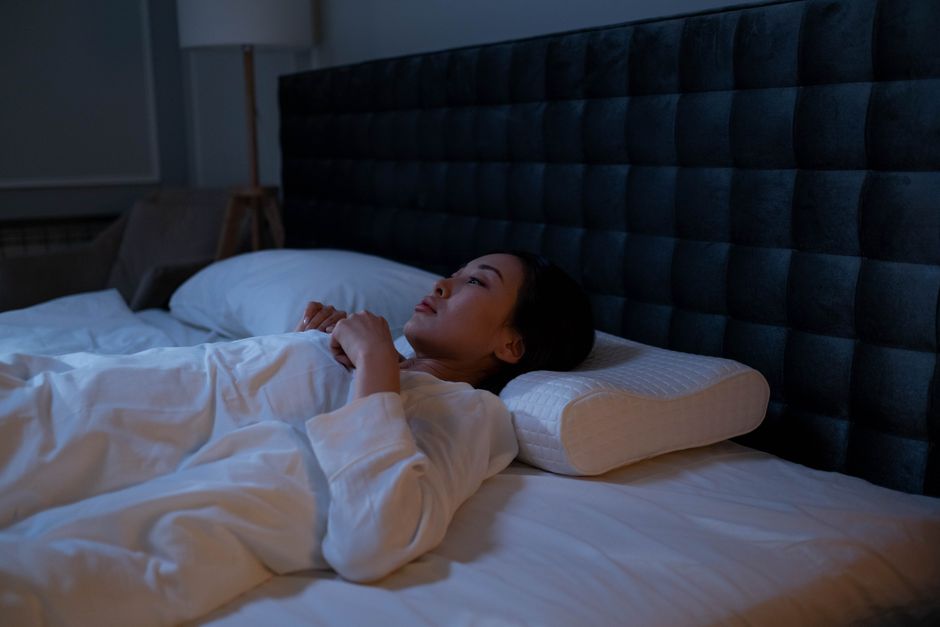
If you have ever noticed that a sore joint, an aching back, or a flare of eczema feels worse after dark, you are not imagining it. For many people, inflammatory symptoms do follow a daily rhythm, and nighttime often brings a noticeable increase. The main reason is that the body runs on a 24-hour internal clock, and several parts of the immune system ramp up their activity in the evening and overnight. That shift does not mean inflammation is always dangerous at night, but it does explain why pain, stiffness, and swelling can feel more intense when you are trying to sleep.
Does Inflammation Get Worse At Night? What the Evidence Shows
Yes, for many inflammatory conditions, symptoms tend to peak in the late evening and early morning hours. This is well documented in conditions like rheumatoid arthritis, where joint stiffness and pain are commonly worst upon waking after a night of increased inflammatory activity.
The body does not treat all hours the same. Immune cells, inflammatory signaling molecules, and hormones all rise and fall across the day. Many of the molecules that drive inflammation, including certain cytokines, tend to be higher at night. At the same time, cortisol, a hormone that dampens inflammation, drops to its lowest levels in the late evening and overnight.
So two things happen at once. The brakes on inflammation ease off, and some of the accelerators press a little harder. The result is that a background level of inflammation that you barely notice at midday can become much more obvious at night.
This is not a universal rule. Not every inflammatory condition follows the same pattern, and not every person feels worse at night. Some conditions, like allergic asthma, often flare in the early morning hours rather than the middle of the night. The timing depends on the specific disease and the individual.
Why Does the Body’s Clock Affect Inflammation?
Nearly every cell in your body carries a molecular clock that runs on roughly a 24-hour cycle. This internal timing system, called the circadian rhythm, controls far more than sleep. It helps regulate body temperature, hormone release, blood pressure, digestion, and the immune system.
Immune cells are not exempt from this schedule. Research has shown that the number of certain immune cells circulating in the blood changes across the day. Some inflammatory signaling molecules peak during the night. This timing likely evolved for a reason: the body may concentrate certain immune activity during rest, when the demands of movement and eating are lower.
One key player is cortisol. Levels of this hormone typically rise in the early morning, helping you wake up, and fall to their lowest point late at night. Because cortisol helps suppress inflammation, its overnight dip can allow inflammatory activity to rise.
Melatonin, the hormone that helps you sleep, also interacts with the immune system. Its role is complex and not fully understood. Some evidence suggests melatonin can influence inflammatory pathways, but the effects vary by condition. What is clear is that the body’s nightly hormonal shifts create conditions where inflammation can become more active.
Which Conditions Tend to Flare at Night?
Several conditions are known for nighttime or early-morning worsening. The pattern is common enough that doctors often ask about it when making a diagnosis.
- Rheumatoid arthritis: Joint pain and stiffness are frequently worst in the morning after overnight inflammation builds up.
- Osteoarthritis: Pain can worsen after a day of activity and may be more noticeable at night when distractions fade.
- Asthma: Symptoms often flare between the middle of the night and early morning, a pattern seen in many people with the condition.
- Eczema and psoriasis: Itching and skin irritation often intensify at night, which can disrupt sleep.
- Gout: Attacks frequently begin at night, though the reasons involve more than the body clock alone.
- Inflammatory bowel disease: Some people report more symptoms overnight or in the early morning.
The reasons overlap but are not identical. In asthma, for example, the overnight drop in cortisol, changes in airway cooling, and lying flat all play a role. In arthritis, the buildup of inflammatory molecules during rest is a major factor. This is why a single explanation does not fit every condition.





Is It the Inflammation or Just the Quiet?
Part of the nighttime increase is real biology. Part of it is perception. Both matter, and it is worth separating them.
During the day, your attention is pulled in many directions. Work, conversations, movement, and light all compete for your focus. Pain and discomfort get pushed to the background. At night, the distractions disappear. You lie still in a dark, quiet room, and there is nothing left to compete with the ache in your knee or the itch on your arm.
This does not mean the pain is imagined. The inflammatory process is real, and it may genuinely be more active at night. But the way you experience that process is amplified when your attention has nowhere else to go. Sleep position, room temperature, and bedding can add to the effect.
Understanding this matters because it points to two levers. One is treating the underlying inflammation. The other is managing the conditions that make nighttime discomfort feel worse, such as poor sleep, an uncomfortable mattress, or a room that is too warm.
How Sleep and Inflammation Affect Each Other
The relationship runs in both directions, and this is where it gets interesting. Inflammation can disrupt sleep, and poor sleep can increase inflammation.
When inflammation causes pain or itching, it makes it harder to fall asleep and stay asleep. Nighttime waking is common in people with chronic inflammatory conditions. Over time, ongoing sleep loss can itself raise levels of inflammatory markers in the blood. Some studies have found that even short periods of sleep deprivation can increase certain markers of inflammation.
This creates a loop. Inflammation worsens sleep, and worse sleep can feed more inflammation. Breaking that loop is one reason sleep is taken seriously in the management of chronic inflammatory disease.
It is worth being careful here. The evidence that poor sleep raises inflammation is solid, but the size of the effect and how much it matters for any one person is not fully settled. What is clear is that sleep and inflammation are connected, and that improving sleep is generally worthwhile for overall health regardless of the specific effect on any single condition.
What Can You Do About Nighttime Inflammation?
The right approach depends on the underlying condition, so the first step is usually to talk with a doctor about what is causing your symptoms. That said, some general measures are widely recommended and supported by evidence.
Good sleep habits are a reasonable starting point. Keeping a consistent sleep and wake schedule, keeping the bedroom cool and dark, and limiting screens and caffeine in the evening can all help. These steps support sleep, and better sleep may in turn help moderate inflammation.
For pain and stiffness, some clinicians recommend gentle movement or stretching before bed, though the evidence for this specific timing is limited. Heat or cold packs are commonly used and can help some people, but responses vary. What works for one person may not work for another.
If you have a diagnosed inflammatory condition, your treatment plan is the most important tool. Medications that control the underlying disease can reduce nighttime symptoms as a side effect of controlling the disease itself. Do not change any medication schedule on your own. Some people find that taking certain medications at specific times helps, but this should be decided with a doctor.
Be cautious with supplements and products marketed for nighttime inflammation. Many make claims that no study has confirmed. If a product promises to “reduce inflammation while you sleep,” treat that with skepticism until there is real evidence behind it.
When Should You Talk to a Doctor?
Nighttime inflammation is often manageable, but some signs warrant medical attention. See a doctor if you have persistent pain, swelling, or stiffness that does not improve, or if symptoms are interfering with your sleep on a regular basis.
Certain symptoms need prompt care. These include unexplained fever, sudden severe pain, redness and swelling that spreads quickly, or difficulty breathing. Chest pain, severe shortness of breath, or a swollen, hot, and tender area on a limb are reasons to seek care right away.
For chronic conditions, the pattern of nighttime symptoms can be a useful clue for your doctor. Tracking when symptoms are worst, how they affect your sleep, and what seems to help can make the conversation more productive and may guide treatment decisions.
Frequently Asked Questions
Why does inflammation get worse at night?
The body’s internal clock causes inflammatory molecules to rise and the anti-inflammatory hormone cortisol to fall in the evening and overnight. This combination allows inflammation to become more active while you rest.
Is it normal for joint pain to be worse at night?
It is common in inflammatory conditions like rheumatoid arthritis, where stiffness and pain are often worst in the morning after overnight inflammation builds. If it happens regularly, it is worth discussing with a doctor.
Does poor sleep make inflammation worse?
Some studies suggest that ongoing sleep loss can raise certain markers of inflammation in the blood. The relationship runs both ways, since inflammation can also disrupt sleep.
Can I reduce nighttime inflammation on my own?
Good sleep habits, a cool dark bedroom, and gentle movement may help some people, but responses vary. If you have a diagnosed condition, your treatment plan is the most important factor and should be guided by a doctor.
