
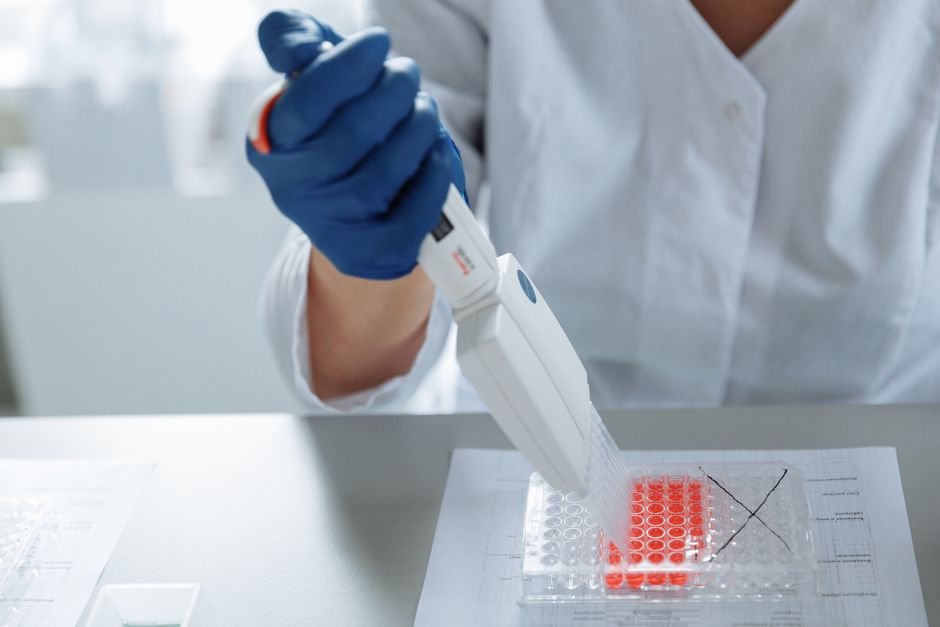
Stem cells are the body’s raw materials — cells that can turn into many different cell types and repair damaged tissue. They have the unique ability to become specialized cells like heart muscle, brain neurons, or bone, and they can also divide to make more stem cells. This gives them real potential for treating diseases where cells are lost or damaged, though many treatments are still in early research stages.
What Exactly Are Stem Cells?
Stem cells are different from other cells in your body. They can renew themselves by dividing, and they can become specialized cells with specific jobs.
Think of them as a blank slate. A stem cell hasn’t decided what it wants to be yet. Under the right signals in the lab or in your body, it can develop into a liver cell, a skin cell, or a blood cell.
There are two main types. Embryonic stem cells come from early-stage embryos and can become almost any cell type. Adult stem cells are found in tissues like bone marrow and fat, and they are more limited — they usually only become cells of the tissue they came from.
Research published in Nature Reviews Molecular Cell Biology has mapped how these cells make their decisions. This understanding is the foundation for all stem cell medicine.
How Do Stem Cells Work in the Body?
Your body already uses stem cells every day to maintain and repair itself. Your skin replaces itself every few weeks because of stem cells in the lower layers of your skin. Your blood system is constantly refreshed by stem cells in your bone marrow.
When you get a cut, stem cells near the wound activate. They divide and create new skin cells to close the injury. The same process happens in your gut lining, your liver, and even your brain — though brain stem cells are less active.
This natural repair system works well for everyday wear and tear. But it has limits. The heart cannot repair itself well after a heart attack. The brain struggles to replace neurons lost to Parkinson’s disease. That is where researchers think stem cell treatments could help.
The idea is simple: give the body more stem cells or guide them more precisely to repair damage that the body cannot fix on its own. Making that work safely in practice is the hard part.
What Can Stem Cells Do in Current Medical Treatments?
The most established stem cell treatment is the bone marrow transplant, also called a hematopoietic stem cell transplant. It has been used for decades to treat blood cancers like leukemia and lymphoma. The FDA has approved this treatment.
During a bone marrow transplant, doctors give a patient healthy blood-forming stem cells to replace their diseased bone marrow. These cells travel to the bone marrow and start producing healthy blood cells. The procedure can be lifesaving.
Another approved use is for certain skin grafts. For severe burns, doctors can take a small patch of the patient’s healthy skin, grow the stem cells in a lab into sheets of new skin, and graft them onto the burn wound. This treatment has saved people with burns covering most of their body.
The FDA has also approved stem cell products for use in treating certain blood disorders and for regenerating bone in specific dental procedures. These are real, tested treatments with a track record of safety and effectiveness.
Here is a quick comparison of approved versus unproven stem cell uses:
| Status | Examples | Evidence Level |
|---|---|---|
| FDA-Approved | Bone marrow transplant, skin grafts for burns, cord blood transplants | Strong clinical trial evidence |
| Clinical Trials | Parkinson’s disease, spinal cord injury, type 1 diabetes, macular degeneration | Early to moderate evidence |
| Unproven Clinics | Joint pain, anti-aging, sports injuries, autoimmune diseases | No strong clinical evidence |





What Does Research Show Stem Cells Might Do in the Future?
Research in animals and early human trials suggests stem cells could help with conditions that currently have no cure. The science is moving fast, but it is important to be clear about what is still experimental.
For Parkinson’s disease, researchers are testing whether transplanting dopamine-producing neurons made from stem cells can replace the ones lost to the disease. A 2024 study in Cell Stem Cell showed these cells survived and functioned in monkeys for over two years. Human trials are ongoing.
For type 1 diabetes, scientists have turned stem cells into insulin-producing islet cells. In a 2021 study published in Nature Biotechnology, these cells were transplanted into a patient who then produced their own insulin for the first time since diagnosis. The effect did not last permanently, but it showed the approach is possible.
For heart disease, researchers have injected stem cells directly into damaged heart muscle after heart attacks. Some studies show modest improvement in heart function. A 2023 meta-analysis in Circulation Research found that stem cell therapy improved left ventricular ejection fraction by about 3-5% on average — a real but small benefit.
For spinal cord injury, early trials have tested injecting stem cells into the injury site. Some patients have regained minor movement or sensation. The results are inconsistent. No patient has walked again from stem cell treatment alone.
These are real advances, but they are not ready for widespread use. Most of these treatments are available only in clinical trials with strict oversight.
What Are the Risks of Stem Cell Treatments?
Stem cells are powerful. That power comes with real risks. When cells can divide and turn into many types, they can also grow uncontrollably. This is the same feature that makes cancer so dangerous.
Tumor formation is a known risk. In animal studies, undifferentiated stem cells have formed teratomas — tumors containing multiple tissue types. This risk is higher with embryonic stem cells than with adult stem cells. Researchers work hard to remove any undifferentiated cells before transplanting them.
Immune rejection is another risk. If stem cells come from a donor, the patient’s immune system may attack them. Patients often need immunosuppressive drugs, which carry their own risks of infection and other side effects.
The biggest danger right now comes from unregulated stem cell clinics. The FDA has warned that hundreds of clinics in the United States sell unapproved stem cell treatments for conditions like arthritis, back pain, and aging. These treatments are not proven to work and have caused serious harm including infections, blindness, and deaths.
A 2019 investigation by the CDC found that 12 patients in Texas developed severe bacterial infections after receiving stem cell injections at unregulated clinics. Three died. The stem cell products were contaminated because they were not made under sterile conditions.
If a clinic promises stem cells can cure everything, run the other way. Real stem cell medicine is specific, careful, and limited to conditions where the evidence supports it.
What Should You Know Before Considering Stem Cell Therapy?
If you are thinking about stem cell treatment for yourself or a family member, start with these facts. The only stem cell treatments approved by the FDA are for blood cancers and certain blood disorders, skin grafts for burns, and a few other narrow uses.
Everything else is experimental. That does not mean it is a scam. It means the evidence is not strong enough yet to know if it works or is safe for routine use.
If you want to try an experimental treatment, find a legitimate clinical trial. The National Institutes of Health runs a registry at ClinicalTrials.gov where you can search for stem cell trials by condition. A legitimate trial has ethical oversight, informed consent, and no cost to you.
Avoid any clinic that charges thousands of dollars out of pocket for stem cell injections. Real clinical trials do not charge patients. A clinic that asks for payment is selling you an unproven product. The FDA has taken legal action against several such clinics for making false claims.
Ask direct questions. Where did the stem cells come from? Are they your own cells or donor cells? How were they processed? What is the evidence for this specific treatment? If the answers are vague or the clinic cannot provide published studies, that is a red flag.
Stem cell science is genuine and promising. But the gap between what is possible in a lab and what is safe for patients is wide. Be skeptical of anyone who tells you that gap has already been crossed.
Common Misconceptions About Stem Cells
One common myth is that stem cells can turn into any cell type in your body on demand. That is only true for embryonic stem cells under very specific lab conditions. Adult stem cells from your bone marrow or fat are much more limited. They generally become cells from the tissue they came from.
Another myth is that stem cells from animals like pigs or sheep can be used in humans. This is widely claimed by some clinics, but strong evidence is lacking. The human immune system attacks animal cells aggressively. No reliable study shows these treatments work.
A third misconception is that storing your own stem cells from baby teeth or fat tissue guarantees future treatment options. While these cells can be stored, there is no guarantee they will be useful for any specific disease. The science of using your own stored stem cells for treatment is still very early.
Some people also believe stem cell therapy is painless and has no side effects. This is false. Any procedure that involves injecting cells carries risks of infection, immune reaction, and the cells not working as intended. The idea that stem cells are a simple fix with no downsides is not supported by evidence.
The International Society for Stem Cell Research has published clear guidelines on what is proven and what is not. Their message is straightforward: be informed, be cautious, and always ask for the evidence.
Frequently Asked Questions
Can stem cells cure Parkinson’s disease?
Not yet. Early clinical trials are testing stem cell transplants for Parkinson’s, but no cure has been proven. Results so far show some promise in animal studies and small human trials.
Are stem cell treatments for arthritis safe?
Unproven stem cell injections for arthritis are not FDA-approved and carry real risks including infection and immune reactions. No strong evidence shows they work better than standard treatments.
How much does stem cell therapy cost?
Approved treatments like bone marrow transplants cost tens of thousands of dollars and are typically covered by insurance. Unproven clinic treatments cost $5,000 to $50,000 out of pocket with no guarantee of results.
Can stem cells help with hair loss?
Some clinics claim stem cells can regrow hair, but there is no FDA-approved stem cell treatment for hair loss. Small studies show mixed results and the evidence is not strong enough to recommend it.
