
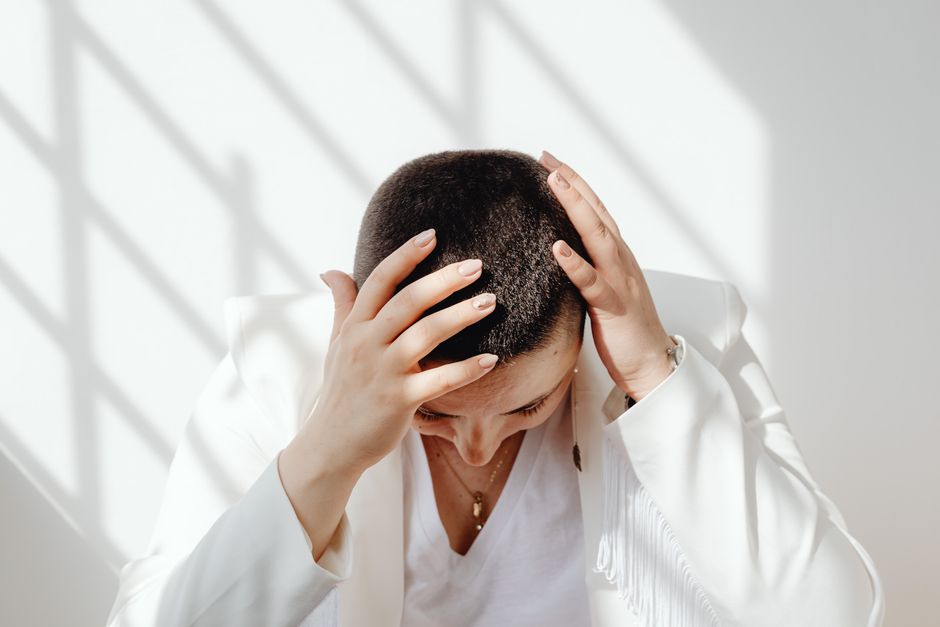
Hair loss is rarely caused by one thing. It usually comes from a mix of genetics, hormones, medical conditions, medications, stress, and nutrition — and often several of these overlap.
The most common cause is hereditary pattern hair loss, which affects millions of men and women. But genes are only part of the picture. Thyroid problems, iron deficiency, childbirth, severe illness, and certain drugs can all trigger shedding. Stress can push hair into a resting phase, causing noticeable loss a few months later.
Understanding which category you fall into matters. Each cause has a different mechanism, a different timeline, and a different approach.
What Can Make Your Hair Fall Out From Stress To Genes?
Hair loss has two broad drivers: internal biology and external triggers. Internal biology includes your genes and hormones. External triggers include stress, illness, diet, and medications.
Hereditary hair loss, called androgenetic alopecia, is the most common form. It affects roughly half of men by age 50 and a significant number of women, especially after menopause. The mechanism involves a hormone called dihydrotestosterone (DHT), which gradually shrinks hair follicles in genetically susceptible people. The follicles do not disappear. They produce thinner, shorter hairs over time until they stop producing visible hair.
Stress works differently. It does not cause pattern baldness. Instead, it can push large numbers of follicles into a resting state at once. This is called telogen effluvium. The shedding typically appears two to three months after the stressful event, which makes the connection easy to miss.
Genes and stress can also occur together. Someone with a genetic tendency may notice faster thinning after a period of intense stress or illness.
How Does Stress Actually Cause Hair Loss?
Stress does not make hair fall out on the day it happens. It changes the growth cycle of hair follicles, and the shedding shows up weeks or months later.
Every hair follicle cycles through three phases:
- Anagen — the growth phase, lasting years
- Catagen — a short transition phase of a few weeks
- Telogen — the resting phase, lasting about three months
Normally, about 85 to 90 percent of scalp hairs are in the growth phase at any given time. A small percentage are resting and will eventually shed. This is why losing 50 to 100 hairs a day is normal.
During severe physical or emotional stress, a larger share of follicles can shift prematurely into the resting phase. When those hairs reach the end of that phase roughly two to three months later, they shed together. People often notice handfuls of hair in the shower or on the pillow.
The good news is that telogen effluvium is usually temporary. Once the trigger resolves, hair typically regrows over several months. The regrowth is not immediate. It follows the same cycle timing, so patience is part of the process.
What Types of Stress Trigger Hair Shedding?
The stress that causes hair loss is not limited to emotional worry. Physical stress on the body counts just as much, and sometimes more.
Common triggers include:
- Major surgery or a serious injury
- High fever or severe infection
- Childbirth
- Rapid, significant weight loss
- Extreme calorie restriction or crash diets
- Death of a loved one or a major life upheaval
- Severe emotional distress or anxiety
Childbirth is one of the most predictable examples. During pregnancy, high estrogen levels keep many follicles in the growth phase. After delivery, hormone levels drop, and a large number of hairs shift into rest at once. Shedding usually begins around two to four months after birth and resolves on its own.
Notice that several of these triggers are physical, not psychological. This matters because people often dismiss their hair loss as “just stress” when the real cause is an underlying medical issue.





How Do Genes Cause Hair Loss?
Genetic hair loss is driven by inherited sensitivity to hormones, not by stress. It follows a recognizable pattern and tends to worsen gradually over years.
In men, androgenetic alopecia typically starts with a receding hairline or thinning at the crown. In women, it usually shows as diffuse thinning along the part line, with the frontal hairline staying largely intact. This difference in pattern is one reason the condition is often recognized later in women.
The inheritance is polygenic, meaning many genes contribute rather than a single “baldness gene.” A common myth says hair loss comes only from your mother’s father. That is not accurate. Research indicates that genes from both parents influence risk, and the inheritance pattern is complex.
Age is a major factor. The likelihood of pattern hair loss rises with age in both sexes. For women, the drop in estrogen after menopause is thought to unmask the effects of androgens, which can accelerate thinning.
What Medical Conditions and Medications Cause Hair Loss?
Many health conditions cause hair shedding, and some are easily treated once identified. This is why persistent or unexplained hair loss deserves a medical evaluation rather than a guess.
Conditions commonly linked to hair loss include:
- Thyroid disorders — both an underactive and overactive thyroid can cause diffuse shedding
- Iron deficiency — low iron stores are a frequent contributor, especially in women
- Polycystic ovary syndrome (PCOS) — linked to hormonal imbalance and thinning
- Autoimmune conditions — including alopecia areata, which causes distinct round patches of loss
- Scalp infections — such as fungal infections that can cause patchy loss and broken hairs
Medications are another common and often overlooked cause. Certain drugs used for cancer treatment, depression, high blood pressure, arthritis, and other conditions can trigger shedding. This type of loss is usually diffuse rather than patchy.
Because so many conditions and drugs can produce similar shedding, a doctor’s evaluation matters. Blood tests for thyroid function, iron stores, and other markers can separate treatable causes from genetic ones.
How Is the Cause of Hair Loss Identified?
Identifying the cause starts with a careful history and physical exam. The pattern, timing, and accompanying symptoms usually point toward the likely cause.
Doctors typically ask about:
- When the shedding started
- Whether loss is patchy, diffuse, or along a pattern
- Recent illness, surgery, childbirth, or major stress
- Current medications and supplements
- Family history of hair loss
- Diet, weight changes, and menstrual history in women
Blood tests may include thyroid function, ferritin (iron stores), and complete blood count. In some cases, a scalp biopsy or a pull test helps confirm the diagnosis.
A key distinction is timing. Telogen effluvium usually follows a trigger by about two to three months and tends to resolve. Androgenetic alopecia is gradual and progressive. Alopecia areata produces smooth, round patches. Getting this distinction right changes what happens next.
Can Hair Loss From These Causes Be Reversed?
Reversal depends entirely on the cause. Some types of hair loss recover fully. Others can be managed but not cured.
Telogen effluvium from stress, illness, or childbirth usually resolves on its own once the trigger passes. Regrowth typically follows within several months. Correcting an underlying deficiency, such as low iron or a thyroid problem, often restores hair growth once the condition is treated.
Androgenetic alopecia is different. It cannot be cured, but it can often be slowed or partially reversed with treatment. Two medications are widely used and have the strongest evidence behind them: minoxidil, applied to the scalp, and finasteride, taken by mouth (for men). Both require ongoing use. Hair loss typically resumes if treatment stops.
Other options exist, including low-level laser devices and certain procedures, but the evidence for these varies. Anyone considering treatment should discuss it with a clinician, since results differ by cause, sex, and how long the loss has been present.
One practical point: treating hair loss early tends to work better than waiting. Once a follicle has been dormant for a long time, regrowth becomes less likely.
When Should You See a Doctor?
See a doctor if hair loss is sudden, patchy, or accompanied by scalp itching, pain, or scaling. These features point away from simple stress shedding and toward a condition that needs diagnosis.
Also seek evaluation if you notice:
- Loss that continues for more than six months
- Thinning along with fatigue, weight changes, or irregular periods
- Hair loss during or after starting a new medication
- Loss in a pattern that concerns you
Hair loss is common and often manageable. The main risk of waiting is losing time on causes that are treatable.
Frequently Asked Questions
How long after stress does hair fall out?
Shedding usually begins about two to three months after the stressful event. This delay is why the connection to stress is often missed.
Does stress cause permanent hair loss?
No. Stress-related shedding is generally temporary and regrows once the trigger resolves. Permanent loss is more typical of genetic causes.
Can hair loss be genetic from both parents?
Yes. Pattern hair loss is influenced by many genes from both parents, not just the mother’s side. The old idea that it comes only from your mother’s father is a myth.
What blood tests find the cause of hair loss?
Doctors commonly check thyroid function, iron stores (ferritin), and a complete blood count. These help rule out treatable causes like thyroid disease or iron deficiency.
