
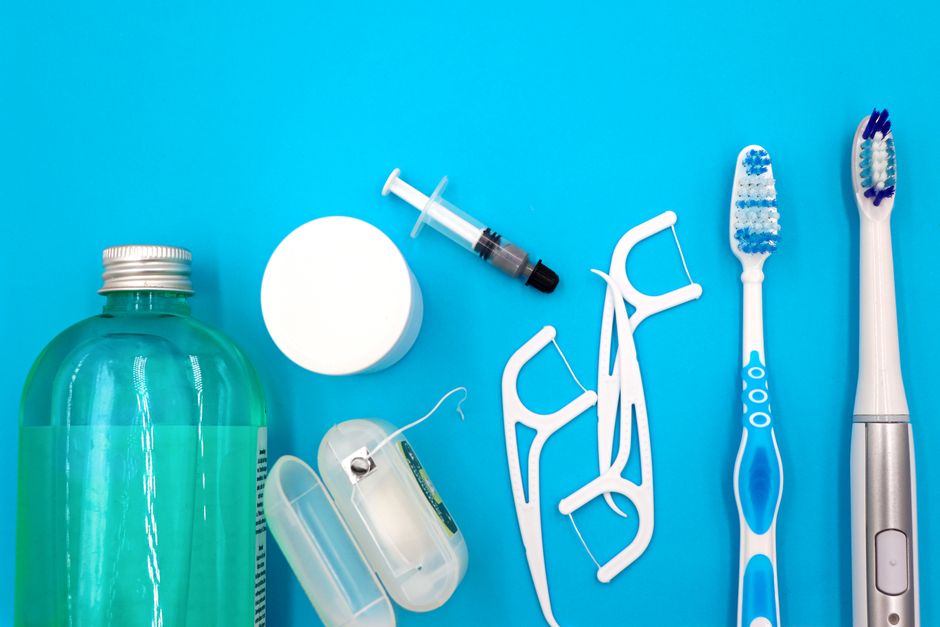
You cannot remove hardened plaque at home. Once plaque mineralizes into tartar, it bonds to the tooth surface and only a dental professional can take it off. What you can do is remove the soft, sticky plaque that forms every day before it hardens — and that daily removal is what actually protects your teeth and gums.
Plaque is a film of bacteria that builds up on teeth within hours of brushing. It starts soft and can be wiped away. If left alone, minerals in saliva harden it into calculus, also called tartar, and no toothbrush, floss, or rinse sold to consumers can dissolve or scrape it off safely. The tools that work on early plaque are simple, cheap, and well studied. The ones that promise to “remove tartar” are mostly marketing.
What is the difference between plaque and tartar?
Plaque is a living bacterial film. Tartar is that film turned to stone.
Plaque forms continuously. Bacteria in your mouth attach to the tooth surface and multiply, and the layer becomes visible as a soft, pale film if you go a day without brushing. It is easy to remove at this stage because it has not bonded to the enamel.
When plaque sits undisturbed, calcium and phosphate from saliva deposit into it and it hardens. This is calculus. The process takes time — generally on the order of a day or more for early hardening, and it continues to build over days and weeks. Once it is calculus, the bond to the tooth is strong. A dental hygienist removes it with metal instruments and ultrasonic scalers, not with a brush.
Here is the part many people miss: tartar itself does not directly cause cavities. The rough surface of tartar does give plaque more places to collect, and plaque at the gumline is what drives gum inflammation. That is why tartar removal matters — not because tartar eats the tooth, but because it makes plaque control harder.
What can I use at home to remove soft plaque?
A soft-bristled toothbrush and fluoride toothpaste remove the great majority of daily plaque. This is the most reliable method and the one with the strongest evidence behind it.
Brushing physically disrupts the bacterial film. The motion matters more than the brand of brush. Both manual and electric toothbrushes remove plaque effectively; some evidence suggests oscillating-rotating electric brushes remove slightly more plaque and reduce gingivitis more than manual brushing over time, but a manual brush used well is not a failure.
Technique is where most people lose ground:
- Angle the bristles toward the gumline, where plaque concentrates.
- Brush gently in small circular or short back-and-forth motions. Scrubbing hard does not remove more plaque and can wear enamel and irritate gums.
- Cover every surface — the outside, the inside, and the chewing surfaces.
- Two minutes is the standard most dental organizations recommend for a full clean.
Fluoride toothpaste does not remove plaque. What it does is make enamel more resistant to acid produced by plaque bacteria and help repair early mineral loss. Plaque removal and cavity prevention are two different jobs, and you want both.
Does flossing actually remove plaque between teeth?
Yes. Floss physically scrapes plaque from the sides of teeth where bristles cannot reach. A toothbrush cleans roughly the front, back, and top of each tooth; the surfaces where teeth touch are missed entirely without floss or another interdental cleaner.
The evidence on flossing is often described as weaker than it should be, and that deserves an honest note. Some reviews have found the quality of flossing studies to be low, and the measured benefit on cavity prevention is less consistent than the benefit on gum inflammation. But the mechanism is not in doubt — floss removes plaque — and the general clinical direction across dental organizations is that cleaning between teeth once a day is part of routine oral care. This is a case where common clinical practice and biological reasoning align, even if the trial evidence is imperfect.
If floss is awkward, other tools clean between teeth:
- Interdental brushes, which come in sizes and can be more effective than floss for people with wider gaps between teeth.
- Water flossers, which can help remove food and loose plaque but are generally considered less thorough than floss or interdental brushes for scraping plaque off tooth surfaces.
The best interdental tool is the one you will actually use every day.





Do mouthwashes and “tartar control” products remove plaque?
Most do not remove plaque. Some reduce it, and the difference matters.
A rinse cannot scrape a film off a surface the way a brush can. Some antiseptic mouthwashes, particularly those containing chlorhexidine or certain essential oils, have been shown to reduce plaque and gum inflammation. Chlorhexidine is generally prescription or short-term use because it can stain teeth. Over-the-counter cosmetic rinses mostly freshen breath and have little effect on plaque.
Products labeled “tartar control” typically contain ingredients like zinc compounds that slow the rate at which plaque hardens into tartar. Slowing tartar formation is not the same as removing tartar that already exists. No rinse, paste, or “tartar dissolving” product on the consumer market removes established calculus — that claim has no clinical evidence behind it, and the products that promise it are selling a result they cannot deliver.
Can I scrape or dissolve tartar myself?
No. Removing tartar at home is not safe or effective, and the tools marketed for it can cause real damage.
Dental scalers and tartar-removal kits sold online are the same type of instrument a hygienist uses, but using them correctly requires training. Improper scraping can cut the gums, wear enamel, and push tartar below the gumline where it does more harm. Enamel does not grow back. A nick in it is permanent.
Acidic home remedies — vinegar rinses, lemon juice, baking soda pastes used aggressively — are sometimes suggested for dissolving tartar. There is no clinical evidence they remove calculus, and acids erode enamel, which is a real and irreversible risk. Baking soda in toothpaste is fine as a mild abrasive; soaking teeth in acidic liquids is not.
The only reliable way to remove tartar is professional cleaning. A hygienist uses hand instruments and ultrasonic scalers to break the bond between calculus and tooth, then polishes the surface smooth so plaque is easier to remove afterward. Professional cleanings are generally recommended at intervals set by your dentist based on your gum health and tartar buildup — commonly every six months for many adults, more often for people with gum disease.
How do I keep plaque from coming back?
Plaque will always come back — it forms within hours of brushing. The goal is not elimination but consistent disruption, so it never gets the undisturbed time it needs to harden and irritate gums.
What the evidence supports:
- Brush twice a day with fluoride toothpaste, including right before bed. Saliva flow drops during sleep, which gives plaque bacteria a longer, less interrupted window.
- Clean between teeth once a day with floss or interdental brushes.
- Limit how often you eat sugary and starchy foods. Frequency matters more than total amount, because each exposure feeds acid-producing bacteria.
- Keep professional cleaning appointments. This is the only step that removes tartar once it has formed.
- Do not smoke. Smoking is strongly linked to gum disease and masks the bleeding that would otherwise signal a problem.
One clarification worth knowing: bleeding when you brush is not normal, and it is not a sign you should brush less. It usually signals gum inflammation from plaque at the gumline. Gentle, thorough brushing and daily interdental cleaning are the standard first response — but persistent bleeding should be checked by a dentist, because it can also reflect gum disease that needs professional treatment.
Frequently Asked Questions
Can baking soda remove tartar from teeth?
No. Baking soda is a mild abrasive that can help remove soft plaque when used in toothpaste, but it cannot dissolve or remove hardened tartar. Aggressive baking soda pastes can also irritate gums and wear enamel over time.
Does vinegar dissolve plaque or tartar?
There is no clinical evidence that vinegar removes tartar, and its acidity can erode tooth enamel, which does not grow back. Rinsing with vinegar is not a safe substitute for professional cleaning.
How often should I get my teeth cleaned to prevent tartar buildup?
Many adults are advised to have a professional cleaning every six months, but the right interval depends on your gum health and how quickly you form tartar. Your dentist sets the schedule based on your individual risk.
Can an electric toothbrush remove tartar?
No. An electric toothbrush removes soft plaque more efficiently than many people manage with a manual brush, but it cannot remove tartar that has already hardened. Only professional cleaning removes calculus.
