
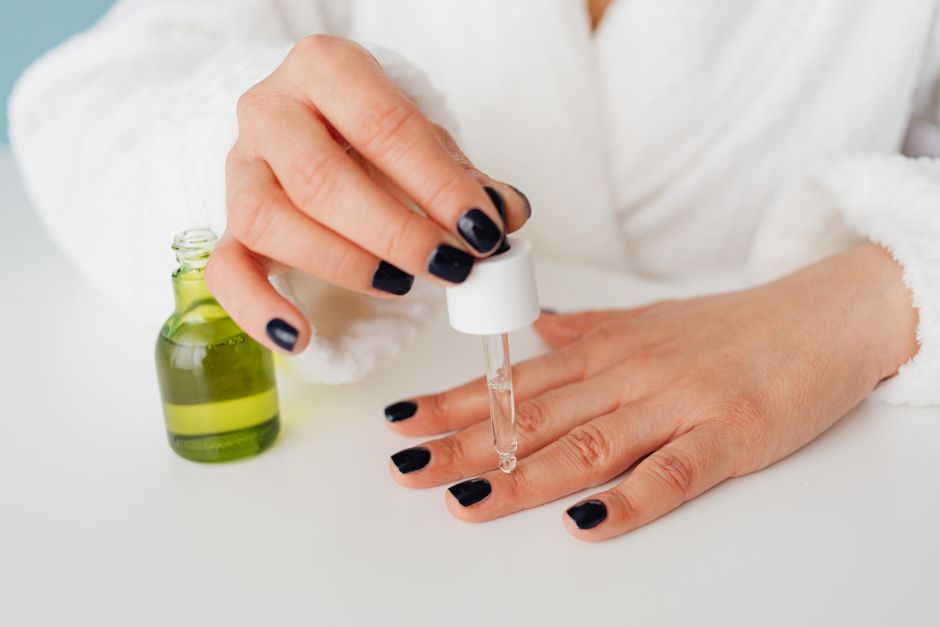
Gel polish comes off with acetone, patience, and no picking. The safe method is to break the polish’s top seal with a light file, soak a cotton pad in acetone, press it against the nail, wrap the fingertip in foil, and wait 10 to 15 minutes. Then wipe the softened gel away gently. Forcing or peeling gel off is the main cause of nail damage during removal.
That is the short answer. The details matter more than most people expect, because gel polish is not regular nail polish. It is a cured plastic-like coating, and it does not dissolve the way a lacquer does. Understanding why changes how you remove it.
Why Can’t You Just Use Regular Nail Polish Remover?
Gel polish is a different material. Standard polish is a lacquer that dries when its solvent evaporates. Gel polish contains photoinitiators that harden into a polymer network when exposed to a UV or LED lamp. Once cured, that network is crosslinked and does not redissolve in a weak solvent.
Non-acetone remover is mostly ethyl acetate or similar solvents. It works on regular lacquer. It does very little to a cured gel coating. This is why soaking in ordinary remover for an hour leaves you with the same intact gel and very frustrated fingertips.
Acetone is the solvent that can break down the cured gel, and even it works slowly. The foil wrap exists to keep acetone in close contact with the nail and stop it evaporating before it has done its job. That is the whole logic of the process.
What You Need Before You Start
Gather everything first. Removal goes better when you are not hunting for foil with acetone-soaked hands.
- 100 percent acetone, or a remover labeled as pure acetone. Check the label; some “acetone” products are diluted.
- Cotton balls or cotton pads, or a lint-free wipe.
- Aluminum foil, cut into squares roughly large enough to wrap each fingertip.
- A fine-grit nail file or a buffer.
- An orange wood stick or a plastic cuticle pusher. Avoid sharp metal tools.
- Cuticle oil or a rich hand cream for afterward.
- Petroleum jelly or a thick barrier cream for the skin around the nails, optional.
Work in a ventilated room. Acetone fumes are strong, and it is flammable. Keep it away from open flames and do not use it near a gas stove.
How To Remove Gel Polish Step by Step
Follow the order below. Each step has a reason, and skipping one usually costs you time or nail health.
Step 1: File the top layer
The shiny topcoat is the hardest part of the gel and the barrier that keeps acetone out. Use a fine-grit file to gently scuff the surface of each nail until the shine is gone. You are not trying to file the gel off. You are opening it up.
File in one direction rather than sawing back and forth. Keep the file on the gel, not on your natural nail plate. If you can see your natural nail showing through, stop filing that spot.
Step 2: Protect the skin
Acetone strips oil from skin and can leave the surrounding skin dry and irritated. A thin layer of petroleum jelly or a thick cream on the skin around each nail creates a partial barrier. It is not essential, but many people find it helps.
Step 3: Soak the cotton
Soak a cotton pad or ball in acetone until it is wet but not dripping. A dripping pad wastes acetone and runs into your cuticles. Size the cotton to roughly cover the nail.
Step 4: Wrap each nail in foil
Press the acetone-soaked cotton firmly against the nail. Wrap the foil square around the fingertip to hold it in place and seal in the solvent. Fold the top closed. Do this one hand at a time so the first hand is soaking while you wrap the second.
Some people use plastic clips made for this purpose instead of foil. They work on the same principle: keep the solvent in contact with the nail.
Step 5: Wait 10 to 15 minutes
Set a timer. Do not peek early. The gel needs time for the acetone to soften the polymer enough that it lifts. Ten to 15 minutes is typical, though thicker gel applications and some brands may need a little longer.
If you feel stinging or burning under the foil, remove it immediately and rinse with water. That is not a normal part of the process and can signal a reaction or a break in the skin.
Step 6: Remove the foil and check
Take off one wrap and look. The gel should look dull, lifted at the edges, or crumbly. If it still looks hard and shiny, rewrap and give it more time. There is no prize for rushing.
Step 7: Gently push off the softened gel
Use an orange wood stick or plastic pusher to ease the gel off in soft flakes. Work from the cuticle edge outward. Do not scrape hard, and do not pry under the gel with a metal tool.
If a patch resists, rewrap that nail with fresh acetone for another few minutes. Never chip or peel it off with your fingernails. Peeling takes layers of the natural nail with it.
Step 8: Buff away residue and moisturize
A light buff removes any thin film left behind. Then wash your hands and apply cuticle oil and hand cream. Acetone is drying, and your nails and skin will have lost moisture during the soak.





Why Is Peeling Gel Polish So Damaging?
Peeling feels satisfying and takes two seconds. It also removes more than the gel. The cured gel bonds tightly to the top layers of the nail plate, so pulling it off can strip those layers with it.
The result is nails that look white, flaky, and thin. They may feel sensitive, and they are more likely to split or break until new nail grows out. Nail plates grow slowly, so damage from one impatient peel can be visible for weeks.
This is the single most common mistake in at-home removal. If a nail will not release, soak it again. Patience is the actual technique.
What If the Gel Won’t Come Off?
Some gel systems are harder to remove than others. Hard gel and builder gels are more resistant than standard soft gel polish, and some may not come off fully with acetone at home. If you have had a structured gel, builder gel, or an overlay applied, ask the technician what removal method that product requires.
Other reasons removal stalls:
- The topcoat was not filed enough, so acetone could not penetrate.
- The acetone was diluted or not pure.
- The cotton was too dry or not in firm contact with the nail.
- Not enough soak time.
If you have soaked and re-soaked and the gel still will not budge, stop. Repeated long soaks dry out the nail and skin. A professional removal is the safer call at that point.
Can You Remove Gel Polish Without Acetone?
There is no reliable at-home method that removes cured gel polish without acetone. Heat, oil, and non-acetone removers do not break down the cured polymer. Some professional systems use filing or e-file removal instead of solvent, but that requires training and the right equipment.
Be skeptical of viral tricks involving hot water, vinegar, or oil soaks. They may soften the surrounding skin but do not dissolve cured gel. No study confirms these methods work, and the evidence for how gel cures points the other way.
How to Care for Your Nails After Removal
Your nails will be drier than usual for a few days after an acetone soak. Keep them moisturized with cuticle oil and hand cream, and give them a short break from polish if they look thin or feel sensitive.
If you get gel manicures regularly, spacing them out and letting the nail recover between applications helps. Some people find their nails become weaker with constant gel wear, though individual experience varies. If your nails are persistently thin, peeling, or painful, see a dermatologist rather than treating it at home.
Frequently Asked Questions
How long do you soak gel polish in acetone?
Plan on 10 to 15 minutes with the cotton and foil in place. Thicker applications or harder gels may need a few extra minutes.
Can I use regular nail polish remover for gel polish?
No, non-acetone remover does not break down cured gel. You need pure acetone for at-home removal.
What happens if you peel gel polish off?
Peeling can strip layers of the natural nail plate, leaving nails thin, flaky, and sensitive. Always soak and gently push the gel off instead.
Is it safe to remove gel polish at home?
Yes, with pure acetone, foil wraps, and patience, home removal is generally safe. Stop and see a professional if the gel will not release or if you feel stinging or burning.
