

Most foods are safe while breastfeeding. You do not need a special diet. You need enough calories, enough fluids, and a reasonable variety of foods. The main limits are alcohol, high-mercury fish, and too much caffeine. A few babies react to something in mom’s diet, but true food allergies triggered by breast milk are uncommon.
That is the short answer. The rest of this article explains what the evidence actually shows, where the myths come from, and how to tell the difference between a real problem and a fussy week.
Do You Need a Special Diet While Breastfeeding?
No. Your body is built to make milk regardless of what you eat.
Human milk composition stays remarkably stable across different diets. If your intake of a nutrient drops, your body pulls from its own stores to keep milk quality steady. This is why breastfeeding women in widely different food cultures produce milk that meets a baby’s basic needs.
What your diet does affect is you. Your own nutrient stores can get depleted if you do not replace what milk production takes. So the goal is not a perfect diet. It is eating enough and eating reasonably well.
Most breastfeeding women need roughly 450 to 500 extra calories per day compared with their pre-pregnancy needs. That is about one extra meal or two solid snacks. You do not need to count every calorie. Appetite and weight trends are reasonable guides.
Fluids matter too. A simple approach is to drink to thirst and keep water nearby during feeds. Forcing large volumes of water does not increase milk supply. Staying hydrated supports your own health.
What Can I Eat While Breastfeeding Foods And Limits?
There is no required food list. A normal balanced diet works.
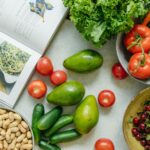
Build meals around vegetables, fruits, whole grains, proteins, and healthy fats. Include iron-rich foods, calcium sources, and foods with omega-3 fats. These support your recovery and your own nutrient status.
Some foods are often flagged as problems. In reality, most are fine:
- Spicy foods — no evidence they harm babies. Some cultures eat heavily spiced food throughout breastfeeding.
- Garlic and onion — may slightly change milk’s smell or taste. This is normal and not a sign of a problem.
- Citrus, tomatoes, and beans — commonly suspected, rarely the actual cause of a baby’s fussiness.
- Chocolate — safe in normal amounts. It contains small amounts of caffeine.
- Peanuts and tree nuts — current evidence does not support avoiding them to prevent allergies in your baby.
If you already avoid a food because of your own allergy, keep avoiding it. Otherwise, there is no routine reason to cut foods out.
One clarification worth knowing: many parents are told to avoid allergenic foods while breastfeeding to prevent allergies in their child. The evidence does not support that advice. In fact, some research suggests early and regular exposure to common allergens may support tolerance rather than harm it. Talk to your pediatrician about your baby’s specific situation.
What Foods and Drinks Should You Limit?
Three things deserve real caution: alcohol, high-mercury fish, and caffeine.
Alcohol
Alcohol passes into breast milk. There is no safe way to “pump and dump” your way around this — the alcohol level in your milk tracks your blood alcohol level. It clears as your body clears it.
The general guidance is to avoid alcohol or keep it minimal. If you do drink, waiting until you are no longer feeling any effects before feeding is the safest approach. Timing matters more than pumping. Some clinicians suggest having a drink right after a feed so your body has time to clear it before the next one.
Heavy or frequent drinking is a different situation. It can affect milk supply and your baby’s development. If you are struggling with alcohol use, talk to your doctor. Help is available and it works.
High-Mercury Fish
Fish is good for you and for your baby. Omega-3 fats support brain development. But some fish carry high mercury levels, and mercury can pass into breast milk.
Limit or avoid shark, swordfish, king mackerel, tilefish, and bigeye tuna. These are the highest-mercury options. Choose lower-mercury fish like salmon, sardines, tilapia, shrimp, and canned light tuna. Two to three servings a week is a reasonable target and matches general guidance for this group.
Caffeine
Caffeine enters breast milk in small amounts. Most babies handle it fine. Some become fussy or wakeful, especially newborns whose bodies clear caffeine slowly.
A common guideline is to keep caffeine under about 300 milligrams per day. That is roughly two to three cups of coffee. Watch your baby’s sleep and mood. If they seem affected, cut back and see if things change.


Can Certain Foods Boost Your Milk Supply?
No food has been shown to reliably increase milk supply in well-designed human studies.
This is one of the most persistent myths in breastfeeding. Oatmeal, fenugreek, brewer’s yeast, and various herbal teas are widely promoted as milk boosters. The evidence for most of them is thin. Some small studies suggest fenugreek may help in specific cases, but results are mixed and the quality of evidence is limited. Fenugreek can also cause side effects and may interact with medications, so check with your doctor before using it.
Milk supply is driven mainly by how often and how well milk is removed from the breast. Frequent, effective feeding is the strongest signal to your body to make more milk. If you are concerned about supply, the first step is a lactation consultant or your doctor, not a supplement.
How Do You Know If a Food Is Bothering Your Baby?
This is harder to figure out than most advice suggests.
Babies cry, spit up, and have gassy days for many reasons. Normal infant behavior overlaps heavily with symptoms people attribute to food reactions. That makes it easy to blame a food that is not actually the cause.
True food protein reactions passed through breast milk do happen, but they are uncommon. Cow’s milk protein is the most frequently implicated. Symptoms can include blood or mucus in the stool, persistent vomiting, poor weight gain, or significant eczema. These are signs to discuss with your pediatrician rather than manage on your own.
If you suspect a food is a problem, cutting out one food at a time for a set period is more useful than eliminating many at once. That way you can tell what actually made a difference. Do not remove major food groups long-term without medical guidance. Your own nutrition matters, and unnecessary restrictions can leave gaps.
What About Vegetarian and Vegan Diets?
You can breastfeed on a vegetarian or vegan diet. You just need to be more deliberate about certain nutrients.
Vitamin B12 is the main concern. It occurs naturally almost only in animal foods. Breast milk B12 comes from your own stores, so a deficiency in you can lead to a deficiency in your baby. This can cause serious developmental problems if not addressed. If you eat a vegan diet, you need a reliable B12 source. Talk to your doctor about your specific needs.
Other nutrients to watch include iron, zinc, calcium, and omega-3 fats. Plant sources exist, but absorption can be lower. A dietitian familiar with breastfeeding can help you plan.
Vitamin D deserves a mention for all breastfed babies, not just those of vegetarian mothers. Human milk is generally low in vitamin D. Current guidance from pediatric organizations recommends vitamin D supplementation for breastfed infants. Ask your pediatrician about the right amount for your baby.
What Should You Actually Do?
Eat a varied diet. Drink to thirst. Take a prenatal vitamin if your doctor recommends it. Limit alcohol, high-mercury fish, and heavy caffeine. Do not cut out foods unless you have a real reason.
If something seems off with your baby, talk to your pediatrician before making big diet changes. And if you are worried about your supply or your own nutrition, a lactation consultant or dietitian can help more than any food list.
Frequently Asked Questions
Can I drink coffee while breastfeeding?
Yes, in moderation. Most guidance suggests keeping caffeine under about 300 milligrams per day, which is roughly two to three cups of coffee.
Do I need to avoid spicy foods while breastfeeding?
No. There is no evidence that spicy foods harm breastfed babies, and many cultures eat them throughout breastfeeding without issue.
Can certain foods increase my milk supply?
No food has been shown to reliably boost milk supply in good human studies. Supply is driven mainly by how often and how well milk is removed from the breast.
How long after drinking alcohol can I breastfeed?
Wait until you no longer feel any effects of the alcohol. The alcohol in your milk clears as your body clears it, so timing matters more than pumping.
