
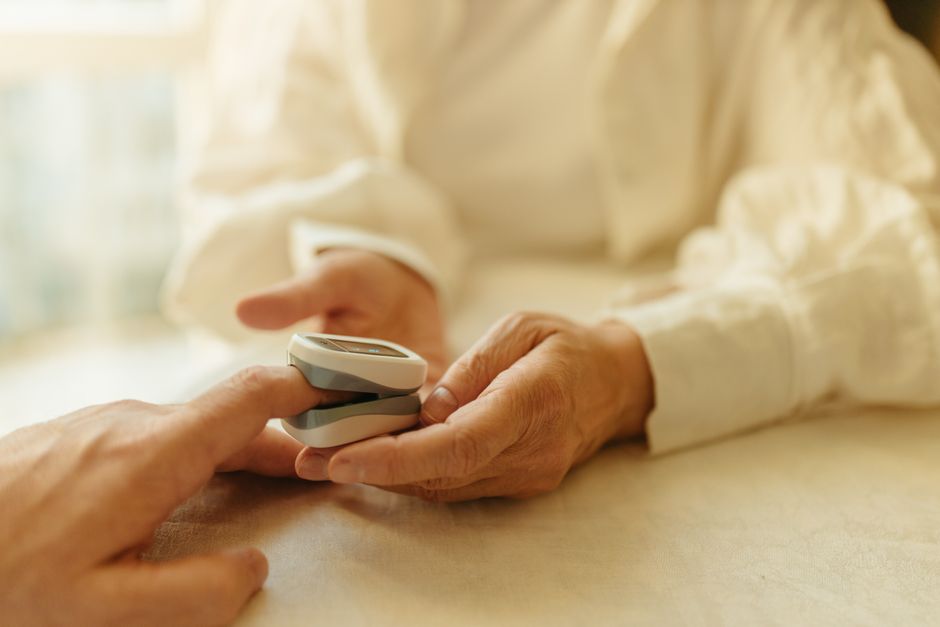
Good oxygen levels for most healthy adults fall between 95% and 100% when measured with a pulse oximeter on a finger. Readings at or above 95% are considered normal for a person without lung disease. If your reading drops below 92%, or you have symptoms like shortness of breath, chest pain, or confusion, seek medical care promptly.
What Are Good Oxygen Levels?
Blood oxygen level refers to how much oxygen your red blood cells are carrying through your body. A pulse oximeter measures this as a percentage called oxygen saturation, often written as SpO2. For a healthy person at sea level, normal oxygen saturation is 95% to 100%.
Some people with chronic conditions like COPD or heart failure may have lower baseline readings. In those cases, doctors often set an individualized target — sometimes as low as 88% to 92%. That does not mean 88% is normal for everyone. It means the target is personalized for that patient’s condition.
How Is Oxygen Saturation Measured?
Pulse oximetry is the standard method. A small clip goes on your finger, toe, or earlobe. It shines light through the skin and measures how much is absorbed by oxygen-carrying hemoglobin in your blood. The device then calculates the percentage of hemoglobin saturated with oxygen.
The measurement is quick, painless, and widely used in clinics, hospitals, and at home. However, the devices are not perfectly accurate. Readings can be off by 2% to 4% in either direction. That margin matters when you are interpreting a borderline number.
Skin pigmentation can affect accuracy. Research has shown that pulse oximeters may overestimate oxygen levels in people with darker skin. If your reading seems inconsistent with how you feel, ask a clinician about a more precise test called arterial blood gas analysis.
What Happens When Oxygen Levels Drop?
When oxygen saturation falls, your body’s organs do not get the oxygen they need to function. Mild drops may cause no noticeable symptoms. More significant drops affect the brain first, then the heart and other organs.
Symptoms of low oxygen include:
- Shortness of breath
- Rapid breathing
- Rapid heart rate
- Headache
- Confusion or difficulty concentrating
- Bluish tint to the lips, fingers, or skin
- Restlessness or agitation
A drop below 90% is considered hypoxemia, meaning abnormally low blood oxygen. Below 80% is a medical emergency that can quickly lead to organ damage. Do not wait to see if symptoms improve at these levels. Call emergency services immediately.



What Causes Low Oxygen Levels?
Several conditions can cause oxygen levels to fall. Lung diseases like COPD, asthma, pneumonia, and pulmonary fibrosis reduce the lungs’ ability to move oxygen into the blood. COVID-19 also affects oxygen exchange, sometimes producing dangerously low readings without obvious symptoms.
Heart conditions can contribute too. If the heart cannot pump blood effectively, oxygen delivery to tissues is reduced. Anemia lowers the blood’s oxygen-carrying capacity. Sleep apnea causes repeated drops in oxygen during the night.
High altitude is another cause. At elevations above 8,000 feet, the air has less oxygen. Even healthy people can experience lower SpO2 readings at altitude. This is normal and typically resolves as the body acclimatizes.
When Should You Check Your Oxygen Level?
If you have a chronic lung or heart condition, your doctor may recommend home monitoring. People recovering from COVID-19 sometimes use pulse oximeters to track recovery. Anyone with symptoms of low oxygen should check a reading.
For most healthy people, daily home monitoring is not necessary. If you do not have symptoms and do not have a condition that affects your breathing, checking your oxygen level adds little information. It can actually cause unnecessary anxiety when you see a single borderline reading.
If you do monitor at home, take readings under consistent conditions. Sit still for a few minutes first. Remove nail polish from the finger you use. Warm hands improve accuracy. Record the reading along with the date and time so you can share trends with your doctor.
How Are Low Oxygen Levels Treated?
Treatment depends on the underlying cause. For acute drops, supplemental oxygen is the standard immediate intervention. Oxygen therapy can be delivered through nasal prongs, a mask, or in severe cases, a ventilator.
For chronic conditions, treatment targets the disease itself. Inhalers for asthma or COPD open airways. Antibiotics treat bacterial pneumonia. Antiviral medications may be used for certain viral infections. Treating the cause is what restores and maintains normal oxygen levels long term.
Breathing exercises and pulmonary rehabilitation help some people improve their lung function. These are not replacements for medical treatment but can complement it. Always follow your clinician’s advice about what is appropriate for your specific situation.
Can You Raise Your Oxygen Level Naturally?
Several practices can modestly improve oxygen levels in specific situations. Deep breathing exercises can improve ventilation. Physical activity improves overall oxygen efficiency over time. Good posture allows fuller lung expansion.
These measures help healthy people and those with mild conditions. They are not treatments for significant hypoxemia. No breathing technique or supplement will fix a severely low oxygen level. If your reading is below 92%, do not rely on home remedies. Seek medical evaluation.
Be cautious about products marketed as “oxygen boosters” or supplements that claim to raise blood oxygen. No supplement has been shown to meaningfully increase oxygen saturation in people with normal lung function. If you have a genuine medical need for more oxygen, the solution is medical oxygen therapy, not a pill.
What Is a Dangerous Oxygen Level?
A reading below 92% is generally considered concerning for a healthy person. Below 90% is hypoxemia and requires prompt medical attention. Below 85% is severe. Below 80% is life-threatening.
These thresholds apply to healthy adults at sea level. People with chronic lung disease may have different targets set by their doctors. If you have been given a personal target range, follow that guidance rather than general thresholds.
One important warning: some people with gradually worsening oxygen levels adapt and do not feel short of breath. This is called silent hypoxia. It occurred frequently in early COVID-19 cases. A pulse oximeter can catch this situation when symptoms do not. If you are at risk and have a device, checking is reasonable.
Frequently Asked Questions
What is a normal oxygen level while sleeping?
Normal oxygen levels during sleep are generally the same as waking levels, 95% or higher. Brief dips below 90% can occur in some people, but frequent or prolonged drops may indicate sleep apnea or another condition requiring evaluation.
Is 92% oxygen level okay?
For a healthy person, 92% is below the normal range and warrants medical evaluation. Some patients with chronic lung disease have a personalized target near this level, but that is determined individually by their doctor.
What oxygen level requires hospitalization?
Readings consistently below 92% in a healthy person or below the personal target set for someone with chronic disease require urgent medical evaluation. Levels below 90% often require supplemental oxygen and hospital care.
Can a pulse oximeter give a false low reading?
Yes. Cold hands, poor circulation, nail polish, or movement during measurement can produce inaccurate readings. If a reading seems wrong, warm your hands, remove polish, sit still, and retest before acting on the number.
