

If you have an overactive bladder, what you drink can matter as much as how often you go. Water is the safest choice, and it is the one beverage that does not typically provoke bladder symptoms. Caffeinated drinks, alcohol, carbonated sodas, and citrus juices are the common triggers that many people with urgency and frequency notice make things worse. The tricky part is that cutting fluids too much can backfire, because concentrated urine can irritate the bladder lining and increase urgency.
Overactive bladder, often shortened to OAB, is a condition where the bladder muscle contracts before the bladder is full. That produces sudden urges to urinate, often with frequency and sometimes with leakage. What you drink does not cause OAB, but it can turn the volume up or down on your symptoms. This article explains which drinks tend to help, which tend to hurt, and why the evidence is stronger for some of these claims than others.
What Can I Drink For Overactive Bladder?
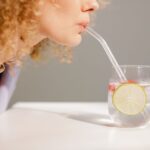
Water is the answer for most people. It keeps urine dilute, which reduces bladder irritation, and it does not contain the compounds that are most often linked to urgency and frequency.
That said, how much water and when you drink it matters. Drinking large amounts quickly can fill the bladder fast and trigger urgency. Spreading fluids evenly through the day tends to work better than gulping them down at meals. Many clinicians also suggest shifting more of your fluid intake to earlier in the day and tapering in the evening, which can reduce nighttime trips to the bathroom. This is common clinical practice rather than a strongly proven strategy, so treat it as a reasonable starting point rather than a guaranteed fix.
Other drinks that generally sit well with an overactive bladder include:
- Plain water, still or with a slice of cucumber
- Low-acid herbal teas such as chamomile or peppermint
- Milk and milk alternatives, if you tolerate them
- Decaffeinated coffee and tea, in moderation
The word “moderation” is doing real work here. Decaf still contains small amounts of caffeine and other compounds, and some people notice symptoms from it. There is no single drink that works for everyone, because bladder sensitivity varies from person to person.
Which Drinks Commonly Trigger Overactive Bladder Symptoms?
Caffeine and alcohol are the two most frequently reported triggers. Both are diuretics, meaning they increase urine production, and both can irritate the bladder directly.
Caffeine is a stimulant that can increase bladder muscle contractions. Coffee is the biggest source for most people, but tea, energy drinks, cola, and some chocolate drinks also contain it. The effect is dose-dependent. A single cup may be fine for one person and set off urgency in another. Cutting back gradually is usually easier on the body than stopping abruptly, especially if you drink coffee daily.
Alcohol works differently. It increases urine output, and it also dulls the signals that tell you your bladder is full. That combination can lead to more frequent trips and, in some people, more leakage. Beer and wine are both common culprits.
Other drinks that people with OAB often report as triggers include:
- Carbonated drinks, including sparkling water and soda
- Citrus juices such as orange, grapefruit, and lemonade
- Tomato juice and other acidic beverages
- Drinks with artificial sweeteners, for some people
- Spicy or heavily flavored drinks
The evidence for some of these is stronger than for others. Caffeine and alcohol have the most consistent support. Carbonation and artificial sweeteners are reported anecdotally, and the research is thinner. Citrus and tomato juice are acidic, and acid can irritate an already sensitive bladder, but not everyone reacts the same way.
Does Cutting Back on Fluids Help Overactive Bladder?
Cutting fluids too aggressively usually makes things worse, not better. This is one of the most common mistakes people make when they are trying to manage urgency.
When you drink less, your urine becomes more concentrated. Concentrated urine is more irritating to the bladder lining, which can increase urgency and frequency. It can also raise your risk of urinary tract infections and kidney stones. So the goal is not to drink less. The goal is to drink the right amount and to choose drinks that do not provoke symptoms.
How much water is right for you depends on your body size, activity level, climate, and other health conditions. General guidance from health authorities points to roughly 2 to 3 liters of total fluid a day for most adults, but that includes fluid from food. People with heart or kidney conditions may need different amounts, and that should be discussed with a clinician rather than guessed.
A practical approach many clinicians suggest is to keep a bladder diary for a few days. You record what you drink, how much, and when you urinate or feel urgency. Patterns often emerge that are not obvious day to day. It is a simple tool and it costs nothing.



How Do I Figure Out My Own Trigger Drinks?
There is no universal list of trigger drinks, because bladder sensitivity is individual. The most reliable way to find yours is a structured elimination and reintroduction process.
Start by removing the most common suspects for a set period, usually one to two weeks. That typically means caffeine, alcohol, carbonated drinks, and citrus. Keep everything else the same so you can tell what changed. If symptoms improve, add one drink back at a time, with a few days between each, and note what happens. If symptoms do not change, the drink was probably not your trigger.
This method is not glamorous, but it is the most honest way to learn your own pattern. Trial and error is genuinely how this is done in clinical practice, because the research does not give us a clean list that applies to everyone.
One important caveat: if you take medication for OAB, do not stop it to test drinks without talking to your prescriber first. And if your symptoms are getting worse, or you notice blood in your urine, pain, or fever, see a clinician. Those are not dietary issues.
What About Drinks Marketed for Bladder Health?
There is no beverage that treats overactive bladder. Products marketed for “bladder support” or “urinary health” are typically supplements or flavored waters, and the evidence behind them is limited.
Some contain cranberry, which has been studied mainly for preventing urinary tract infections, not for treating OAB. Cranberry is not a treatment for urgency or frequency. Other products contain herbal ingredients with little to no human trial data for bladder symptoms.
If a drink claims to “calm your bladder” or “support urinary health,” the honest position is that no large human trials have confirmed a benefit for OAB. That does not mean every ingredient is useless, but it does mean the marketing is running ahead of the science.
The drinks that actually help are the boring ones: water, low-acid herbal teas, and milk. That is not a satisfying answer for someone looking for a shortcut, but it is the accurate one.
When Should You Talk to a Doctor About Overactive Bladder?
See a clinician if symptoms interfere with your daily life, if you are leaking urine, or if you are getting up multiple times a night. OAB is treatable, and there are more options than most people realize.
Treatment usually starts with behavioral changes: adjusting fluids, bladder training, and pelvic floor exercises. If those are not enough, medications and other therapies are available. Which one is right depends on your symptoms, your health history, and your preferences, and that is a conversation to have with a clinician rather than a decision to make from an article.
Also see a clinician promptly if you notice blood in your urine, pain when urinating, fever, or a sudden change in symptoms. Those can point to a urinary tract infection or another condition that needs its own treatment.
Diet and drinks are one piece of the puzzle. They are worth getting right, but they are not a substitute for medical care when symptoms are significant.
Frequently Asked Questions
What is the best drink for overactive bladder?
Water is the best choice because it keeps urine dilute and does not contain common bladder irritants. Low-acid herbal teas like chamomile are also generally well tolerated.
Does coffee make overactive bladder worse?
Caffeine is one of the most commonly reported triggers for urgency and frequency, and it can increase bladder muscle contractions. The effect varies by person and by dose.
Should I drink less water if I have overactive bladder?
No, cutting fluids too much usually makes symptoms worse because concentrated urine irritates the bladder. The goal is to drink the right amount and avoid trigger drinks, not to drink less.
Can cranberry juice help overactive bladder?
No, cranberry has been studied mainly for preventing urinary tract infections, not for treating urgency or frequency. No large human trials support it as a treatment for OAB.
