

A gluten-free diet means avoiding wheat, barley, rye, and any food made from them. Everything else is on the table: plain meat, poultry, fish, eggs, beans, plain dairy, fruits, vegetables, rice, corn, potatoes, and most nuts and seeds. That is a wide, varied food list — not a short one.
The tricky part is not the whole foods. It is the processed foods, sauces, and seasonings where wheat hides under names that do not say “wheat.” This guide walks through what is naturally gluten-free, what to check labels for, and where cross-contact becomes a real concern.
What Foods Are Naturally Gluten-Free?
Whole, single-ingredient foods are gluten-free by nature. Gluten is a protein found in wheat, barley, and rye. A food that never contained those grains cannot contain gluten unless it was contaminated during processing.
That makes the core of a gluten-free diet simple:
- Fresh meats and seafood: beef, chicken, turkey, pork, fish, shellfish — plain, without marinades or breading
- Eggs: all types
- Beans and legumes: black beans, chickpeas, lentils, kidney beans, soybeans
- Nuts and seeds: plain, unflavored, unsalted or salted without gluten additives
- Plain dairy: milk, unflavored yogurt, most hard cheeses, butter
- Fruits and vegetables: fresh, frozen, or canned without added sauces
- Grains and starches: rice, corn, potatoes, sweet potatoes, quinoa, buckwheat, millet, amaranth, teff, sorghum, tapioca
Oats deserve their own note. Oats do not contain gluten. But they are often grown, harvested, and processed alongside wheat, so cross-contact is common. Most people following a gluten-free diet need oats labeled “gluten-free” specifically.
Which Grains and Starches Can Replace Wheat?
Many grains and starches fill the gap wheat leaves behind. They behave differently in cooking, so results vary, but all are gluten-free in their plain form.
Rice is the most widely used. White, brown, jasmine, basmati, and wild rice are all gluten-free. Corn — including cornmeal, polenta, and corn tortillas — is another staple. Potatoes and sweet potatoes work as starches and as side dishes.
Other options include:
- Quinoa
- Buckwheat (despite the name, it is not related to wheat)
- Millet
- Amaranth
- Teff
- Sorghum
- Tapioca and cassava
- Arrowroot
- Flax and chia
Gluten-free flour blends usually combine several of these to mimic wheat’s texture. Rice flour alone tends to be gritty. Blends with tapioca and potato starch hold together better for baking.
What Labels Should You Check for Hidden Gluten?
Processed foods are where gluten hides. A food can contain wheat and never say “wheat” on the front of the package. Reading the ingredient list is not optional on a gluten-free diet.
Ingredients that signal gluten include:
- Wheat (and its forms: durum, semolina, spelt, farro, kamut, einkorn, emmer)
- Barley (and malt, which is usually made from barley)
- Rye
- Triticale
- Brewer’s yeast, when grown on barley
- Wheat starch, unless specified as gluten-free
Some ingredients are debated because they may or may not contain gluten depending on how they are made. These include maltodextrin, modified food starch, dextrin, and some flavorings. In the United States, wheat must be declared by law on food labels, which helps. But barley and rye do not have the same mandatory declaration in every case, so “wheat-free” is not the same as “gluten-free.”
In the U.S., a product labeled “gluten-free” must meet a defined standard: less than 20 parts per million of gluten. That threshold is set by the Food and Drug Administration. A “gluten-free” label is a stronger signal than “wheat-free.”


Where Does Cross-Contact Happen?
Cross-contact is when a gluten-free food touches gluten during growing, processing, or cooking. For people with celiac disease, even small amounts matter. This is different from an ingredient being added on purpose.
Common sources of cross-contact include:
- Oats grown or milled near wheat
- Restaurant fryers shared between breaded and plain foods
- Cutting boards and utensils used for both
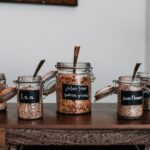
- Bulk bins at grocery stores
- Toasters and spreads like butter or jam where crumbs collect
At home, the fix is straightforward: separate tools, separate spreads, and a dedicated area if possible. Eating out is harder because you cannot see the kitchen. Asking about preparation is reasonable and often necessary.
Are Naturally Gluten-Free Foods Always Safe?
No. A food that never contained gluten can still be unsafe if it was contaminated or if gluten was added during processing. This is the point people miss most often.
Plain chicken is gluten-free. Breaded chicken is not. Plain yogurt is gluten-free. Flavored yogurt with a cookie crumble is not. The base ingredient is not the whole story — what happened to it afterward matters.
This is also why some foods that seem obviously gluten-free still carry a warning. Seasoning blends, marinades, sauces, and spice mixes are frequent culprits. So are some canned soups, salad dressings, and even certain medications and supplements, where gluten can appear as a binder or filler.
When in doubt, check the label. If the label is unclear and the product is not marked gluten-free, treat it as a question rather than a safe bet.
Do You Need to Avoid Gluten If You Do Not Have Celiac Disease?
For most people, no. The evidence for a gluten-free diet in people without celiac disease, wheat allergy, or a diagnosed sensitivity is limited and mixed. Some people report feeling better, but studies have not consistently confirmed a biological reason for that in the general population.
The three conditions where gluten avoidance is clearly established are:
- Celiac disease: an autoimmune condition where gluten triggers damage to the small intestine
- Wheat allergy: an immune reaction to wheat proteins
- Non-celiac gluten sensitivity: symptoms that improve when gluten is removed, after celiac disease and wheat allergy are ruled out
Celiac disease is not a preference. It is a medical condition, and the treatment is a strict, lifelong gluten-free diet. For everyone else, cutting gluten without a diagnosis has not been shown to provide clear health benefits, and it can make diagnosis harder if celiac disease is later suspected.
One non-obvious point: a gluten-free diet is not automatically a healthier diet. Many gluten-free packaged products are lower in fiber and higher in sugar and fat than their wheat-based versions. Replacing whole grains with processed gluten-free substitutes can reduce nutrition quality rather than improve it.
What Does a Full Gluten-Free Food List Look Like?
Here is the list grouped by category. Everything below is gluten-free in its plain form. Check labels on anything processed.
| Category | Gluten-Free Foods |
|---|---|
| Meat, poultry, seafood | Beef, pork, chicken, turkey, lamb, fish, shellfish, plain and unbreaded |
| Eggs | All eggs |
| Dairy | Milk, plain yogurt, most cheeses, butter, cream |
| Beans and legumes | Lentils, chickpeas, black beans, kidney beans, soybeans, peas |
| Nuts and seeds | Almonds, walnuts, cashews, peanuts, sunflower, pumpkin, chia, flax |
| Fruits | All fresh, frozen, or canned without added gluten ingredients |
| Vegetables | All fresh, frozen, or canned without gluten sauces |
| Grains | Rice, corn, quinoa, buckwheat, millet, amaranth, teff, sorghum, certified gluten-free oats |
| Starches | Potatoes, sweet potatoes, tapioca, cassava, arrowroot |
| Fats and oils | Olive oil, butter, coconut oil, most plain oils |
| Herbs and spices | Single-ingredient dried herbs and spices; check blends |
That covers the vast majority of what a grocery store sells. The diet is broad. The work is in the details — labels, preparation, and cross-contact — not in the list itself.
Frequently Asked Questions
Is rice gluten-free?
Yes, all plain rice is gluten-free, including white, brown, jasmine, and basmati. Check flavored rice mixes, which may contain wheat-based seasonings.
Can I eat oats on a gluten-free diet?
Oats do not contain gluten, but they are often contaminated with wheat during growing and processing. Choose oats specifically labeled gluten-free.
Is gluten-free the same as wheat-free?
No. Wheat-free only means no wheat. Gluten-free also excludes barley, rye, and triticale, and in the U.S. it must meet a standard of less than 20 parts per million of gluten.
Do I need to avoid gluten if I do not have celiac disease?
For most people, no. Gluten avoidance is clearly established only for celiac disease, wheat allergy, and diagnosed non-celiac gluten sensitivity.
