
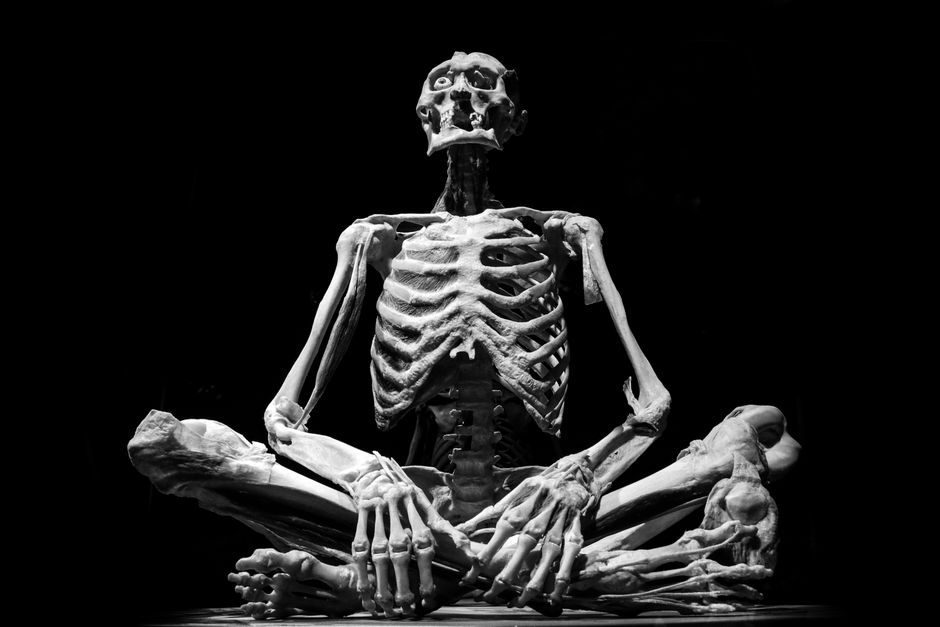
The tibia is the larger of the two bones in your lower leg. It is the shinbone — the long, strong bone you can feel running down the front of your leg from just below the knee to the ankle. It is the second-longest bone in the human body, after the femur, and it carries most of your body weight when you stand or walk.
People often confuse the tibia with the fibula, the thinner bone that runs alongside it. The tibia does the heavy lifting. The fibula helps stabilize the ankle and anchors muscles, but it bears only a small share of your weight.
Where Is the Tibia Located and What Does It Look Like?
The tibia sits at the front and inner side of your lower leg. Its top end, called the proximal end, is broad and flat. It forms the lower half of the knee joint, meeting the femur above it. The bottom end narrows and forms the inner part of the ankle joint.
Along the shaft of the bone, you can feel a sharp front edge through the skin. That edge is why the shin is so sensitive to bumps. There is very little muscle or fat covering it.
The bone has a distinct shape worth understanding. The top surface has two flat areas called condyles that articulate with the femur. Between them is a raised section where the cruciate ligaments of the knee attach. The shaft is roughly triangular in cross-section. The bottom end widens again and forms the medial malleolus, the bony bump on the inside of your ankle.
The fibula runs parallel on the outer side. The two bones are connected by a sheet of tissue called the interosseous membrane. This connection matters because it helps distribute force across the lower leg.
What Does the Tibia Do?
The tibia bears weight. When you stand, walk, run, or jump, it transmits the force from your body down to your foot. It is the primary weight-bearing bone of the lower leg.
It also forms part of two major joints. At the top, it is half of the knee joint. At the bottom, it is the main bone of the ankle joint. That dual role means the tibia is involved in almost every movement of the lower body.
Several muscles attach to the tibia. These include muscles that move your toes, your ankle, and your knee. The bone acts as a lever and an anchor point for these muscles.
A detail many people miss: the tibia does not work alone. The fibula, though thin, is essential for ankle stability. When the fibula is fractured near the ankle, the ankle joint can become unstable even if the tibia is intact. That is why doctors treat certain ankle fractures involving the fibula with real seriousness.
What Is a Tibia Fracture and How Serious Is It?
A tibia fracture is a break in the shinbone. It is a serious injury because the tibia carries so much of your weight. A break here can affect your ability to stand, walk, and bear weight on that leg.
Tibia fractures happen in several ways. A direct blow, a fall, a car accident, or a twisting injury during sports can all cause one. The severity ranges from a small crack to a break that goes through the skin.
Doctors describe tibia fractures by where they occur:
- Proximal fractures — near the knee
- Midshaft fractures — along the middle of the bone
- Distal fractures — near the ankle
- Open fractures — where the bone breaks through the skin
Open fractures are the most concerning because they carry a high risk of infection. They require urgent medical care.
Treatment depends on the type and location of the break. Some stable fractures can be treated with a cast or brace and limited weight-bearing. Others need surgery to realign the bone and hold it in place with plates, screws, or rods. Recovery timelines vary widely depending on the injury and the person. Bone healing generally takes several weeks to months, but the exact timeline depends on factors like age, fracture type, and overall health.
One important point: the tibia has a relatively poor blood supply in its lower third compared to other parts of the bone. This is a well-established anatomical fact and one reason some lower tibia fractures heal more slowly than fractures higher up.



What Is a Tibial Stress Fracture?
A stress fracture is a small crack in the bone caused by repeated stress over time rather than a single impact. Tibial stress fractures are common in runners, military recruits, and anyone who suddenly increases their physical activity.
The pain usually starts as a dull ache during activity and may ease with rest. Over time, it can become constant. The front inner edge of the shin is a common site.
Tibial stress fractures need attention because they can worsen if ignored. Continuing to train on a stress fracture can turn a small crack into a full break. Some research suggests that certain stress fractures in the front part of the tibia carry a higher risk of not healing well, but this depends on the specific location and the individual case.
Diagnosis is not always straightforward. Early stress fractures may not show up on a standard X-ray. Doctors sometimes use MRI or bone scans when the diagnosis is unclear.
Treatment generally involves rest from the activity that caused it. Some cases require a walking boot or crutches. Return to activity should be gradual and guided by a medical professional. There is no single timeline that applies to everyone.
How Does the Tibia Differ From the Fibula?
Both bones are in the lower leg. They are not interchangeable.
| Feature | Tibia | Fibula |
|---|---|---|
| Size | Larger and thicker | Thinner and longer |
| Weight-bearing | Yes — primary weight-bearing bone | Minimal weight-bearing role |
| Position | Front and inner side of leg | Outer side of leg |
| Joints formed | Knee and ankle | Ankle only |
| Muscle attachments | Many muscles of the lower leg | Mostly stabilizer muscles |
The key difference is function. The tibia holds you up. The fibula helps keep things stable, especially at the ankle. Both matter, but in different ways.
What Conditions Affect the Tibia?
Beyond fractures, several conditions can affect the tibia.
Osteomyelitis is a bone infection. It can reach the tibia through the bloodstream or from an open wound. It causes pain, swelling, and sometimes fever. It needs medical treatment.
Tibia vara is a condition where the upper part of the tibia develops abnormally, causing the leg to bow inward. It is more common in children and adolescents and can be related to growth plate issues.
Bone tumors can occur in the tibia, though they are rare. Some are benign, and some are cancerous. Persistent pain or swelling that does not improve should be evaluated by a doctor.
Osteoarthritis of the knee can involve the tibia because the bone forms part of the knee joint. Wear on the cartilage between the femur and tibia can lead to pain and stiffness.
Each of these conditions has its own diagnosis and treatment path. The tibia’s role as a weight-bearing joint-forming bone is why problems here tend to affect movement noticeably.
How Do You Keep the Tibia Healthy?
There is no way to guarantee you will never break a bone. But some habits support bone health generally.
Weight-bearing exercise helps maintain bone density. Walking, running, and resistance training all put stress on bones in a way that signals them to stay strong. This is well established in bone physiology.
Calcium and vitamin D are both needed for bone health. The National Institutes of Health publishes recommended daily intakes for these nutrients. For most adults, the recommended daily calcium intake falls in the range of 1,000 to 1,200 milligrams, depending on age and sex. Vitamin D recommendations vary, and some clinicians check blood levels to guide supplementation.
Smoking and heavy alcohol use are both associated with lower bone density. This is supported by a large body of research.
If you run or do high-impact sports, increasing your training load gradually is one way to lower your risk of stress fractures. Sudden jumps in mileage or intensity are a common factor in overuse injuries.
If you have persistent shin pain, do not push through it. Pain that lingers or worsens with activity deserves a medical evaluation.
When Should You See a Doctor About Tibia Pain?
See a doctor if you cannot bear weight on the leg, if the leg looks deformed, or if you heard a snap at the time of injury. These signs suggest a fracture and need urgent care.
See a doctor soon if you have pain that has not improved after a few weeks of rest, swelling that is getting worse, or pain that wakes you at night. These are not normal responses to everyday activity.
Redness, warmth, and fever along with leg pain could suggest an infection. That combination warrants prompt medical attention.
Not every shin pain is a fracture. Muscle strains, shin splints, and compartment syndrome can all cause lower leg pain. A doctor can help sort out what is going on. Self-diagnosis based on symptoms alone is not reliable here.
Frequently Asked Questions
What bone is the tibia?
The tibia is the shinbone — the larger, weight-bearing bone in the lower leg. It runs from the knee to the ankle and is the second-longest bone in the body.
Is the tibia the same as the shinbone?
Yes, the tibia is commonly called the shinbone. It is the bone you feel along the front of your lower leg.
What is the difference between the tibia and the fibula?
The tibia is larger and bears most of your body weight, while the fibula is thinner and mainly helps stabilize the ankle. Both are in the lower leg, but they serve different roles.
How long does a tibia fracture take to heal?
Healing generally takes several weeks to months, but the timeline varies widely based on the type of fracture, its location, your age, and your overall health. Your doctor can give you a more specific estimate.
