

Your blood type is determined by the presence or absence of specific markers called antigens on the surface of your red blood cells. The eight main blood types are A+, A-, B+, B-, AB+, AB-, O+, and O-, with O+ being the most common and AB- the rarest. Your type is inherited from your parents and stays the same for your entire life.
How Is Blood Type Inherited?
Your blood type comes from a single gene you inherit from each parent. The ABO gene has three versions: A, B, and O. A and B are dominant, meaning if you get one from either parent, that type shows up. O is recessive, so you need two O genes to have type O blood.
The Rh factor works the same way. The positive Rh version is dominant over the negative version. If you inherit even one positive Rh gene, your blood is Rh positive. You need two negative genes to be Rh negative.
This means two parents with type A blood can have a child with type O if both carry a hidden O gene. Blood type prediction is not always straightforward. A simple blood test is the only way to know for sure.
What Are the Eight Blood Types and How Common Are They?
Blood types are grouped by the ABO system and the Rh factor. The ABO system gives you four possibilities: A, B, AB, or O. The Rh factor adds either positive or negative. This creates eight total blood types.
The American Red Cross reports the following distribution in the United States:
| Blood Type | Percentage of US Population |
|---|---|
| O+ | 37.4% |
| O- | 6.6% |
| A+ | 35.7% |
| A- | 6.3% |
| B+ | 8.5% |
| B- | 1.5% |
| AB+ | 3.4% |
| AB- | 0.6% |
O+ is the most common blood type, found in more than one out of three people. AB- is the rarest, found in less than one percent of the population. If you have a rare type, blood banks may contact you when your type is needed for a patient with matching needs.
How Do You Find Out Your Blood Type?
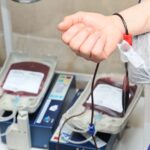
The most reliable way is a blood test ordered by a doctor or done at a blood donation center. When you donate blood, the center always types your blood. They will tell you your result. Many people learn their blood type this way.
At-home blood typing kits are available at pharmacies and online. These kits use a small finger prick and a card with antibodies that react to your blood. They are generally accurate but not as reliable as a lab test. If you use a home kit and get a result, consider confirming it with a professional test.
Some people assume they know their blood type based on what their parents told them. This is not reliable. Parents can be wrong, and inheritance is not always obvious. A test is the only way to know.




Does Your Blood Type Affect Your Health?
Research shows a link between blood type and some health risks. A large study published in the journal Arteriosclerosis, Thrombosis, and Vascular Biology found that people with type A, B, or AB blood have a higher risk of blood clots and heart attack compared to type O. The difference is modest but consistent across multiple studies.
Some studies suggest that type O blood may offer some protection against severe malaria. The parasite that causes malaria has a harder time invading type O red blood cells. This is a well-established finding in infectious disease research.
There is also evidence that blood type influences gut bacteria. A study in Nature Communications showed that people with type A and type B blood have different bacterial populations in their gut compared to type O. What this means for long-term health is still being studied.
None of this means your blood type determines your health destiny. These are statistical associations, not guarantees. Lifestyle, genetics, and environment play much larger roles.
What Blood Type Are You and What Does It Mean for Blood Donation?
Blood type directly affects who you can donate to and receive from. Type O negative blood is the universal donor. It can be given to anyone in an emergency when the patient’s blood type is unknown. Type AB positive is the universal recipient. People with AB+ blood can receive any type.
Type O negative is always in high demand. Hospitals use it for trauma patients and premature babies. If you have O negative blood, donating regularly can save lives. The Red Cross reports that only 7% of the population has O negative blood, but it is used in about 13% of hospital transfusions.
Type AB plasma is also valuable. Plasma from AB donors can be given to any patient regardless of blood type. If you have AB blood, your plasma donations are especially useful.
Knowing your blood type helps you understand how you can help others. It also matters if you ever need a transfusion yourself. Hospitals match blood types carefully to avoid dangerous immune reactions.
Common Misconceptions About Blood Type
A popular belief is that your blood type determines your personality or diet needs. The “blood type diet” claims that people with different blood types should eat different foods. There is no strong scientific evidence supporting this idea. A 2013 review in the American Journal of Clinical Nutrition found no studies that proved the blood type diet works.
Another myth is that blood type changes over time. Your blood type does not change. It is genetically fixed. In very rare cases, a bone marrow transplant can change a person’s blood type because the new marrow produces different red blood cells. This is not a natural change.
Some people believe that O negative blood is rare. It is less common than O positive, but it is not the rarest type. AB negative is the rarest. Many people assume their blood type is rare when it is actually common.
Testing your blood type is simple and worthwhile. It gives you useful information about your health and your ability to help others through donation.
Frequently Asked Questions
How can I find out my blood type for free?
Donate blood at a local blood drive or donation center and they will tell you your type at no cost. You can also ask your doctor to include a blood type test during your next routine blood work.
Can two O+ parents have a child with A+ blood?
No, two parents with type O blood can only have a child with type O blood. This is because type O requires two O genes and neither parent carries an A or B gene to pass on.
Is blood type linked to COVID-19 risk?
Some studies suggest that people with type O blood may have a slightly lower risk of severe COVID-19, but the difference is small and not consistent across all research. Blood type is not a major factor in COVID-19 outcomes.
What is the rarest blood type in the world?
AB negative is the rarest of the eight common blood types, found in less than one percent of the global population. Even rarer types exist, such as the Rh-null blood type, but these are extremely uncommon.
