
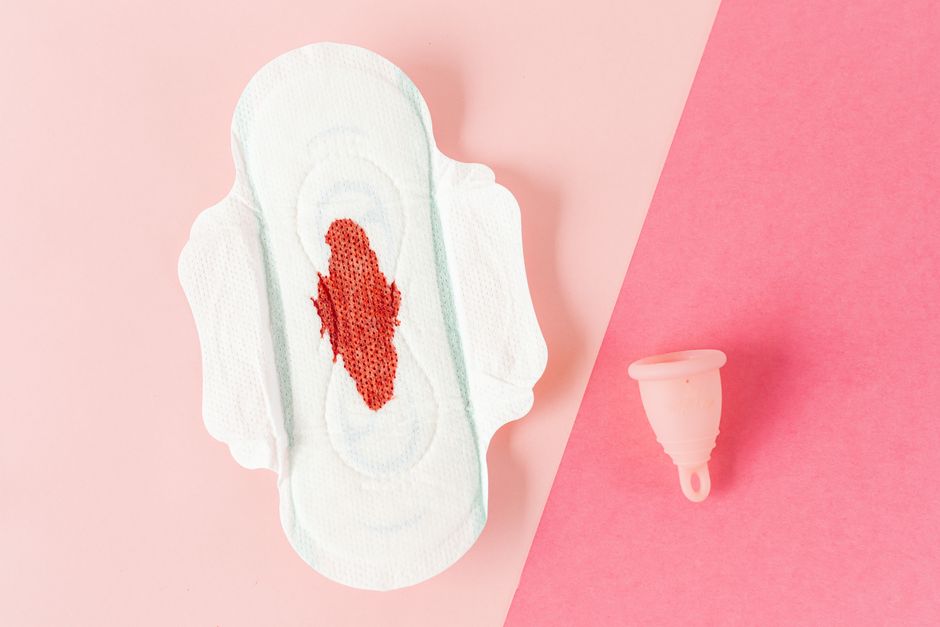
Tiny blood clots are small clumps of blood that have changed from a liquid to a gel-like state inside your blood vessels. They form when platelets and proteins in your blood plasma stick together to stop bleeding. This process is essential for survival, but when these clots form without a bleeding injury, or when they travel through the bloodstream, they can become a serious medical problem.
What Are Tiny Blood Clots And How Do They Form?
Blood clotting is your body’s emergency repair system. When you cut yourself, the body sends signals to the blood vessel to narrow, which slows blood flow. Platelets then become activated and clump together at the site of the injury. This forms a temporary plug that seals the wound.
Following this, a protein called fibrin forms a mesh over the platelet plug. This mesh traps red blood cells and more platelets, creating a stable clot that stays in place until the vessel heals. Once the tissue repairs itself, the body naturally breaks down the clot and removes it.
This entire process is tightly controlled. When it works correctly, you bleed briefly and then stop. Problems arise when the balance tips, causing clots to form when there is no injury, or when a clot breaks loose and travels to another part of the body.
Clots are categorized as either arterial or venous. Arterial clots form in the arteries that carry oxygen-rich blood away from the heart. Venous clots form in the veins that return blood to the heart. The causes and risks for each type differ.
What Causes Blood to Clot Inside the Body?
Three main factors contribute to clot formation inside blood vessels without an external injury. This is sometimes called Virchow’s triad, named after the physician who described it in the 1800s.
The first factor is damage to the blood vessel wall. High blood pressure, smoking, or cholesterol plaques can injure the inner lining of an artery. The body misinterprets this damage as a bleeding injury and starts the clotting process.
The second factor is abnormal blood flow. When blood flows too slowly, or when it pools in a vein, platelets and clotting factors have more time to gather and stick together. This is why long flights or bed rest increase the risk of clots in the legs.
The third factor is a change in the blood itself. Some people have genetic conditions that make their blood more likely to clot. Certain medications, like estrogen-based birth control pills, can also make blood more prone to clotting. Cancer and some autoimmune diseases have the same effect.
Where Do Tiny Blood Clots Usually Form?
In veins, the most common location is the deep veins of the lower leg or thigh. This condition is called deep vein thrombosis, or DVT. The clot itself may not cause symptoms, or it may cause swelling, pain, and warmth in the affected leg.
In arteries, clots often form on top of a ruptured cholesterol plaque. This typically happens in the arteries supplying the heart or the brain. This is the mechanism behind most heart attacks and many strokes.
Clots can also form in the small blood vessels of the lungs, called pulmonary capillaries. These are different from a pulmonary embolism, which is a traveling clot. Microclots in the lungs can impair oxygen exchange, which is why some patients with severe infections experience low oxygen levels.
Rarely, tiny clots form throughout the body’s smallest blood vessels, a condition called disseminated intravascular coagulation, or DIC. This is a medical emergency where the body uses up all its clotting proteins, leading to both widespread clotting and severe bleeding at the same time.


What Are the Warning Signs of a Blood Clot?
Symptoms depend entirely on where the clot is located. A clot in the leg often causes swelling in one leg, pain that feels like a cramp, and skin that is red or discolored. The affected area may also feel warm to the touch compared to the other leg.
A clot in the lung, called a pulmonary embolism, causes sudden shortness of breath, chest pain that worsens with a deep breath, a rapid heart rate, and sometimes coughing up blood. This is a life-threatening emergency that requires immediate medical care.
A clot in the brain causes stroke symptoms, including sudden weakness on one side of the body, facial drooping, trouble speaking, or sudden vision changes. A clot in the heart causes chest pain or pressure that may spread to the arm or jaw.
Many small clots produce no symptoms at all. They may be found incidentally on imaging scans done for other reasons. The absence of symptoms does not mean the clot is harmless, especially if it is in a deep vein of the leg where it could break loose.
How Are Tiny Blood Clots Diagnosed?
Doctors use a combination of physical exams, blood tests, and imaging to diagnose blood clots. For a suspected clot in the leg, an ultrasound is the standard first test. It uses sound waves to create an image of blood flow through the veins.
For a suspected clot in the lung, a CT scan with contrast dye is the most common test. This scan creates detailed images of the blood vessels in the lungs and can detect even small clots.
A blood test called a D-dimer measures a protein fragment produced when a clot breaks down. A negative D-dimer result makes a clot unlikely. A positive result is less specific because many conditions, including pregnancy, recent surgery, and inflammation, can raise D-dimer levels.
Doctors often use a clinical prediction tool to determine whether imaging is necessary. These tools combine your symptoms, risk factors, and physical exam findings to estimate the probability of a clot. This approach helps avoid unnecessary testing while still catching dangerous clots.
What Treatments Are Available for Blood Clots?
The primary treatment for most blood clots is anticoagulant medication, commonly called blood thinners. These drugs do not actually thin the blood. Instead, they interfere with the clotting process to prevent existing clots from growing and new clots from forming.
The body has its own mechanism for breaking down clots over time. Anticoagulants give the body time to do this safely. Treatment usually lasts three to six months for a first clot, though some people need longer therapy depending on the cause and their risk factors.
For severe clots, doctors may use clot-busting drugs called thrombolytics. These are powerful medications that dissolve clots quickly. They carry a significant bleeding risk, so they are reserved for life-threatening situations like a massive pulmonary embolism or a severe stroke.
In some cases, a doctor may place a filter inside a large vein, usually the inferior vena cava in the abdomen. This filter catches clots traveling from the legs before they can reach the lungs. Filters are used when anticoagulants cannot be taken safely or when clots continue to form despite treatment.
What Can You Do to Reduce Your Risk?
Movement is the single most effective prevention strategy for venous clots. When you walk, the muscles in your calves squeeze the deep veins and push blood back toward your heart. This prevents blood from pooling and clotting.
If you sit for long periods, such as during travel or at a desk job, take breaks to stand and walk. Flexing your ankle muscles while seated also helps maintain blood flow. Staying hydrated is important because dehydration thickens the blood slightly.
Managing underlying health conditions reduces arterial clot risk. This includes controlling blood pressure, keeping cholesterol in a healthy range, and managing diabetes effectively. Smoking cessation is one of the most impactful changes a person can make.
If you have had a previous clot, or if you have a known genetic clotting disorder, your doctor may recommend preventive anticoagulants during high-risk periods, such as surgery or pregnancy. Do not take aspirin or other blood thinners for prevention without discussing it with your doctor first. The bleeding risk may outweigh the benefit.
When Should You Seek Emergency Care?
Sudden chest pain, especially with shortness of breath, requires immediate emergency evaluation. Sudden leg swelling with pain should also be assessed promptly. Symptoms of stroke, including facial drooping, arm weakness, or speech difficulty, require calling emergency services without delay.
Do not wait to see if symptoms improve. Clots can grow, break loose, and cause permanent damage within a short window of time. Emergency treatments for stroke and heart attack are most effective when given soon after symptoms start.
Frequently Asked Questions
Can tiny blood clots go away on their own?
Yes, the body naturally breaks down and absorbs many small clots over time. However, you cannot know which clots will dissolve safely and which ones may grow or travel to the lungs or brain, so medical evaluation is necessary.
What does a tiny blood clot feel like?
It may cause no sensation at all, or it may cause localized pain, swelling, warmth, and redness if it is in a leg vein. Chest pain, sudden shortness of breath, or neurological symptoms suggest a clot in a more dangerous location.
Are tiny blood clots the same as microclots?
The terms are often used interchangeably, but microclots specifically refers to very small clots in the smallest blood vessels, such as capillaries. These have been studied in severe infections and some chronic conditions, but the clinical significance of microclots outside of acute illness is still being researched.
Does aspirin prevent tiny blood clots?
Aspirin reduces the ability of platelets to clump together, which helps prevent arterial clots that cause heart attacks and strokes. It is less effective against venous clots, which are primarily composed of fibrin and red blood cells, and it carries a bleeding risk, so it should only be used under medical guidance.
