
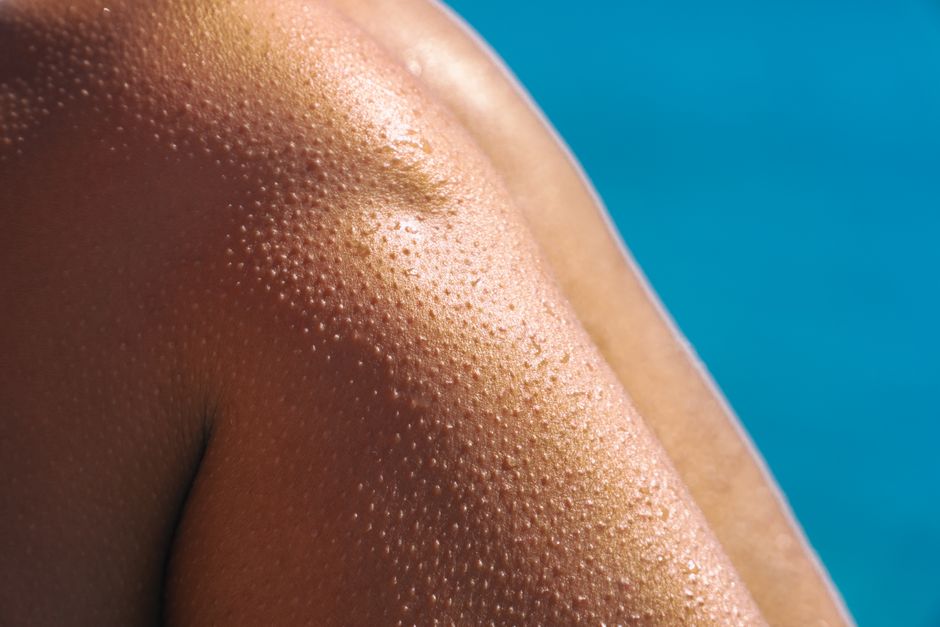
Tiny bumps on your skin are usually one of a few common, harmless conditions: keratosis pilaris, milia, or closed comedones (whiteheads). These bumps form when dead skin cells or keratin get trapped beneath the skin’s surface. While they can look similar at a glance, each has distinct features and different causes.
What Are These Tiny Bumps On Your Skin?
The most common cause of small, rough bumps on the upper arms, thighs, and sometimes cheeks is keratosis pilaris. This condition occurs when keratin—a protein in your skin—plugs the hair follicle opening. The result is a patch of tiny, rough-feeling bumps that may look like goosebumps that never go away.
On the face, especially around the eyes, nose, and cheeks, tiny white or yellow bumps are often milia. These are small cysts filled with keratin, not pus or oil. Milia are common in newborns but can appear at any age. They feel firm and do not pop like a pimple.
Another possibility is closed comedones, which are the earliest form of a whitehead. These form when a pore becomes blocked with oil and dead skin cells, and the opening closes over. Unlike milia, closed comedones can develop into inflamed pimples.
How Can You Tell These Bumps Apart?
Location and texture are your best clues. Keratosis pilaris appears almost exclusively on the backs of the upper arms, the fronts of the thighs, and sometimes the buttocks. The bumps feel like fine sandpaper and often look red or brownish around each bump, especially in lighter skin tones.
Milia are pinpoint-sized, dome-shaped, and pearly white. They sit on the surface of the skin and are most common on the face. They are not red and do not have an opening.
Closed comedones look like small flesh-colored or white bumps. They are usually found on the forehead, chin, and nose. If you look closely, you may see a tiny opening that is blocked. Dermatologists often distinguish these by gently pressing—a comedone may release contents, while milia will not.
If the bumps itch, flake, or have a scaly surface, the cause may be different. Conditions like eczema, contact dermatitis, or a fungal infection can produce bumps that resemble these harmless ones. Persistent itching or spreading is a reason to see a dermatologist.
What Causes These Bumps to Form?
Keratosis pilaris has a strong genetic link. If one of your parents has it, you have a higher chance of developing it. The underlying mechanism is a buildup of keratin around the hair follicle. The skin sheds dead cells continuously, but in this condition, the cells do not shed normally. Instead, they clump together and plug the follicle.
Milia form when keratin becomes trapped just beneath the outer layer of skin. This can happen after skin trauma, such as from a burn, a blistering rash, or even heavy use of thick creams. In some cases, milia appear without any clear trigger. Sun damage is also a known contributor in adults.
Closed comedones result from excess sebum production combined with abnormal shedding of skin cells inside the pore. Hormonal changes, particularly during puberty or the menstrual cycle, increase oil production. Certain skincare products, especially heavy creams or oils, can worsen this by adding more occlusive ingredients on top of the skin.





Are These Bumps a Sign of a Health Problem?
No. Keratosis pilaris, milia, and closed comedones are benign skin findings. They are not infections, and they are not contagious. They do not indicate a vitamin deficiency, a liver problem, or an allergic reaction—despite what some online sources claim.
However, there are some conditions that produce similar-looking bumps and do require medical attention. Folliculitis is an infection of the hair follicle that can look like keratosis pilaris but is usually itchy or tender. Eczema can produce tiny bumps on the arms and legs, but it typically itches significantly and has a scaly component. Molluscum contagiosum is a viral skin infection that causes small, waxy bumps, often in children. This is contagious and requires treatment.
A dermatologist can usually tell the difference with a simple visual exam. No biopsy is needed in most cases. If you are uncertain what your bumps are, a professional diagnosis is the safest route.
What Treatments Actually Work?
For keratosis pilaris, the most effective approach is consistent exfoliation and moisturizing. Products containing lactic acid or urea help dissolve the keratin plugs. These are available over the counter in concentrations of 5% to 12%. Applying them daily for several weeks is typically needed before improvement is visible. The bumps often return when you stop, so this is a maintenance treatment, not a cure.
Milia do not respond to exfoliating acids. They are cysts with a thin wall. The only reliable removal method is a sterile incision with a needle or blade by a dermatologist. This is called deroofing. Over-the-counter products will not remove milia. In some cases, topical retinoids can help prevent new milia from forming, but they do not remove existing ones.
Closed comedones respond to salicylic acid, which penetrates the pore and helps clear the blockage. Benzoyl peroxide is also effective because it reduces bacteria and normalizes skin cell shedding. Prescription-strength retinoids, such as tretinoin or adapalene, are the most effective treatment for comedonal acne. These require a prescription and can cause dryness and irritation when first started.
What Should You Avoid Doing?
Do not pick, squeeze, or try to pop these bumps. Squeezing milia can cause scarring and may push the contents deeper into the skin. Squeezing closed comedones can rupture the follicle wall and cause inflammation, turning a non-inflamed bump into a red, swollen pimple.
Avoid harsh physical scrubbing. Many people believe that aggressive exfoliation will remove the bumps faster. This usually irritates the skin, increases redness, and can worsen the appearance. Gentle chemical exfoliation is more effective and safer.
Be cautious with heavy moisturizers and oils. Products containing coconut oil, shea butter, or mineral oil can worsen comedones by trapping oil and dead skin cells. For milia, thick creams may contribute to new formations. Light, non-comedogenic moisturizers are a better choice for people prone to these bumps.
When Should You See a Dermatologist?
See a dermatologist if the bumps are painful, itchy, bleeding, or rapidly increasing in number. Also seek medical advice if the bumps appear after starting a new medication or if they affect your face and cause distress.
If over-the-counter treatments have not improved the bumps after two to three months of consistent use, a dermatologist can offer prescription options. For keratosis pilaris, prescription-strength exfoliants or laser therapy are available. For stubborn comedones, prescription retinoids or extraction by a professional are effective.
One point worth noting: skin changes that appear suddenly, especially in adults over 40, deserve evaluation. While the conditions described here are harmless, a new rash or bumps that spread quickly could indicate a different condition that needs treatment.
Frequently Asked Questions
Can these tiny bumps be removed permanently?
Keratosis pilaris and milia can be managed but not permanently cured. Keratosis pilaris requires ongoing exfoliation to keep follicles clear, while milia can be removed by a dermatologist but new ones may form later.
Are these bumps caused by poor hygiene?
No. These bumps form due to genetics, skin cell turnover, or hormonal factors. Washing more frequently or scrubbing harder will not remove them and may make them worse.
Do these bumps ever go away on their own?
Milia in infants often disappear within a few weeks without treatment. Keratosis pilaris often improves with age, particularly after the teenage years, but may persist into adulthood. Closed comedones typically require active treatment to clear.
Can moisturizer make these bumps worse?
Heavy, occlusive moisturizers can worsen closed comedones and may contribute to milia formation. Light, non-comedogenic products are generally safe for all three conditions.
