

Blood is the body’s delivery and defense system, traveling through roughly 60,000 miles of blood vessels. It has three main parts: red blood cells, white blood cells, and platelets, all suspended in a liquid called plasma. Each component has a distinct job — red blood cells carry oxygen, white blood cells fight infection, and platelets help blood clot to stop bleeding.
What Are The Three Components Of Blood And Their Role?
The three cellular components of blood are red blood cells (erythrocytes), white blood cells (leukocytes), and platelets (thrombocytes). These cells float in plasma, which makes up about 55% of total blood volume. The cells themselves make up the remaining 45%.
Red blood cells transport oxygen from the lungs to every tissue in the body. White blood cells are the immune system’s mobile units, defending against bacteria, viruses, and other threats. Platelets are small cell fragments that clump together at injury sites to form clots and prevent excessive bleeding.
Each component is produced in the bone marrow through a process called hematopoiesis. The body tightly regulates this production to keep blood cell counts within healthy ranges.
What Does Plasma Do in the Blood?
Plasma is the liquid portion of blood — about 92% water. It carries the three cellular components along with proteins, nutrients, hormones, and waste products. Plasma proteins like albumin help maintain blood volume and pressure. Globulins transport substances and support immune function. Fibrinogen is essential for clot formation.
Plasma also carries dissolved gases, glucose, electrolytes, and clotting factors. Without plasma, the cellular components would have no way to travel through the circulatory system. Blood volume, blood pressure, and body temperature regulation all depend on plasma functioning properly.
The liver produces most plasma proteins. When liver function declines, plasma protein levels drop, which can lead to fluid leaking into tissues — a condition called edema.
How Do Red Blood Cells Carry Oxygen?
Red blood cells are the most numerous cells in blood. A healthy adult has roughly 4.5 to 5.5 million red blood cells per microliter of blood. Their primary job is oxygen transport.
Each red blood cell contains hemoglobin, an iron-rich protein that binds oxygen. In the lungs, hemoglobin picks up oxygen. As blood circulates, it releases that oxygen to tissues and picks up carbon dioxide, which the lungs then expel.
Red blood cells have a unique shape — biconcave discs. This shape increases surface area for gas exchange and allows cells to bend as they pass through narrow capillaries. Mature red blood cells lack nuclei and most organelles, leaving more room for hemoglobin.
The average red blood cell lives about 120 days. The spleen removes old or damaged cells, and the bone marrow constantly produces replacements. Iron, vitamin B12, and folate are all required for healthy red blood cell production.
Low red blood cell counts or low hemoglobin levels cause anemia. Symptoms include fatigue, weakness, pale skin, and shortness of breath. Anemia has many causes, including iron deficiency, blood loss, and chronic disease.




What Are White Blood Cells and How Do They Fight Infection?
White blood cells are far fewer than red blood cells — normally 4,500 to 11,000 per microliter. But they are the immune system’s frontline defense. They identify and destroy pathogens, remove dead cells, and produce antibodies.
There are several types of white blood cells, each with a specific role:
- Neutrophils — the most common type, responding quickly to bacterial infections.
- Lymphocytes — include T cells and B cells that coordinate immune responses and produce antibodies.
- Monocytes — become macrophages that engulf and digest pathogens and debris.
- Eosinophils — fight parasites and play a role in allergic reactions.
- Basophils — release histamine during allergic responses.
White blood cells circulate in blood but also move into tissues where infections occur. They can detect chemical signals from damaged tissue and travel toward the site. This process is called chemotaxis.
A high white blood cell count often signals infection or inflammation. It can also result from certain medications or blood cancers like leukemia. A low count increases infection risk and may result from autoimmune conditions, chemotherapy, or bone marrow disorders.
What Do Platelets Do and Why Do They Matter?
Platelets are not actually cells — they are small fragments broken off from larger cells called megakaryocytes in the bone marrow. Normal platelet counts range from 150,000 to 450,000 per microliter of blood.
Platelets are essential for hemostasis, the process that stops bleeding. When a blood vessel is injured, platelets adhere to the exposed tissue, become activated, and clump together to form a temporary plug. They also release chemicals that activate clotting factors in plasma.
This initial platelet plug is reinforced by a mesh of fibrin, a protein formed from fibrinogen during the clotting cascade. The result is a stable clot that seals the wound until tissue repair occurs.
Low platelet counts — a condition called thrombocytopenia — cause easy bruising and prolonged bleeding. High platelet counts increase the risk of abnormal clotting, which can lead to heart attack or stroke. Some medications, including aspirin, reduce platelet function and are used specifically to prevent dangerous clots.
What Happens When Blood Components Fall Out of Balance?
Blood disorders occur when any component is too high, too low, or not functioning properly. A complete blood count (CBC) is the standard test that measures all three cellular components.
Anemia means too few red blood cells or too little hemoglobin. Symptoms include fatigue, dizziness, and shortness of breath. Causes range from nutritional deficiencies to chronic disease to bone marrow failure.
Leukopenia means too few white blood cells, raising infection risk. Leukocytosis means too many, often indicating infection or inflammation. Leukemia is a cancer of white blood cell production in the bone marrow.
Thrombocytopenia means too few platelets, causing bleeding risk. Thrombocytosis means too many platelets, raising clot risk. Both conditions require medical evaluation to determine the underlying cause.
Blood transfusions can replace any component. Packed red blood cells treat severe anemia. Platelet transfusions support patients with low counts. Plasma transfusions provide clotting factors for bleeding disorders.
How Can You Keep Your Blood Components Healthy?
The bone marrow needs proper nutrition to produce healthy blood cells. Iron is essential for hemoglobin — good sources include lean meat, beans, and fortified cereals. Vitamin B12 and folate support red blood cell production. Protein provides building blocks for all blood components.
Regular exercise supports healthy circulation. Staying hydrated maintains plasma volume. Avoiding tobacco helps prevent blood vessel damage and reduces clot risk.
Some conditions directly affect blood health. Chronic kidney disease reduces erythropoietin production, a hormone that stimulates red blood cell formation. Autoimmune diseases can destroy any blood cell type. Certain medications suppress bone marrow function.
If you experience unexplained fatigue, frequent infections, easy bruising, or prolonged bleeding, see a healthcare provider. A simple blood test can identify whether a component is out of range.
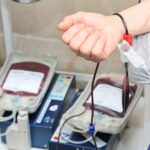
Blood donation is one practical way to understand your own blood health. Donors receive screenings for hemoglobin levels and blood pressure before each donation. One donation can save up to three lives by providing red blood cells, platelets, and plasma to different patients.
Frequently Asked Questions
What is the main function of red blood cells?
Red blood cells carry oxygen from the lungs to tissues throughout the body and help remove carbon dioxide. They contain hemoglobin, the iron-rich protein that binds oxygen.
How many white blood cells should a healthy person have?
A normal white blood cell count ranges from 4,500 to 11,000 per microliter of blood. Counts outside this range may indicate infection, inflammation, or another underlying condition.
Can you live without platelets?
No. Without platelets, minor injuries could cause uncontrolled bleeding because the body could not form clots. Platelet counts below 10,000 to 20,000 per microliter create a serious risk of spontaneous bleeding.
What is the difference between plasma and serum?
Plasma is the liquid part of blood that includes clotting factors. Serum is what remains after blood clots, so it lacks fibrinogen and other clotting proteins.
