

A lung infection from Pseudomonas bacteria does not usually announce itself with a single obvious symptom. It tends to build slowly, showing up as a cough that keeps getting worse, more mucus than usual, and a feeling of breathlessness that does not ease with rest. In people with an underlying lung condition or a weakened immune system, these early signs can be easy to dismiss as a normal flare-up, which is exactly what makes them worth knowing.
The signs of a Pseudomonas infection in the lungs include a persistent or worsening cough, thick or discolored sputum, shortness of breath, chest tightness, fever, chills, fatigue, and sometimes coughing up blood. In more serious cases, the infection can cause low blood pressure, confusion, and difficulty breathing that requires urgent care.
What makes this infection different from a typical chest cold is who it tends to affect and how stubborn it can be. Pseudomonas aeruginosa is a bacterium that thrives in moist environments and is known for resisting many common antibiotics. Understanding the signs early matters, because treatment is more effective when it starts sooner rather than later.
What Are The Signs Of A Pseudomonas Infection In Lungs?
The symptoms of a Pseudomonas lung infection overlap heavily with other respiratory infections, which is part of why it can be missed at first. The pattern that stands out is persistence and worsening over days to weeks, especially in someone already living with a chronic lung condition.
Common signs include:
- A cough that lingers or becomes more frequent and severe
- Sputum that is thick, and often green, yellow, or brown
- Shortness of breath or a feeling of not getting enough air
- Chest tightness or pain, particularly when breathing deeply or coughing
- Fever and chills
- Unusual tiredness or weakness
- Loss of appetite
- In some cases, blood in the sputum
Sputum color alone cannot confirm Pseudomonas. Green or yellow mucus can come from many infections, including ordinary viral bronchitis. The color is a clue, not a diagnosis.
In people with cystic fibrosis or bronchiectasis, Pseudomonas can settle into the airways and cause a chronic infection. The signs there may look like a slow decline rather than a sudden illness — more cough, more mucus, more fatigue, and a drop in lung function that the person may notice before anyone else does.
Who Is Most At Risk For A Pseudomonas Lung Infection?
Pseudomonas rarely causes lung infections in healthy people with normal immune systems. It is an opportunistic bacterium, meaning it mainly takes hold when the lungs or the body’s defenses are already compromised.
The groups at higher risk include:
- People with cystic fibrosis, a genetic condition that thickens mucus in the lungs
- People with bronchiectasis, where airways are damaged and widened
- People with chronic obstructive pulmonary disease (COPD), especially advanced disease
- People who are hospitalized, particularly those on breathing machines (ventilators)
- People with weakened immune systems from illness or certain medications
- People who have recently taken broad-spectrum antibiotics, which can wipe out protective bacteria
Hospital-acquired Pseudomonas pneumonia is a real concern. It is one of the more common bacteria linked to ventilator-associated pneumonia, and it tends to be more serious than infections picked up in the community. This is not because the bacterium is uniquely aggressive in all cases, but because the people who get it are often already very ill.
How Does Pseudomonas Infect The Lungs?
Pseudomonas aeruginosa lives widely in the environment — in soil, water, and on moist surfaces. It can enter the lungs through inhaled droplets, through contaminated medical equipment, or by moving from one part of the body to another in a vulnerable person.
Once inside the airways, the bacterium attaches to the lining and begins to multiply. It produces substances that damage tissue and help it evade the immune system. It is also naturally resistant to many antibiotics, and it can develop resistance during treatment. That combination is what makes Pseudomonas infections harder to treat than many others.
In a healthy lung, mucus and tiny hair-like structures called cilia help sweep bacteria out. In damaged or mucus-filled lungs, that clearance system does not work well. This is why conditions like cystic fibrosis and bronchiectasis create an environment where Pseudomonas can persist.




How Is A Pseudomonas Lung Infection Diagnosed?
Diagnosis is not made by symptoms alone. A doctor needs to identify the bacterium, usually by testing a sample of sputum or, in some cases, fluid from the lungs.
The main testing approach is a sputum culture. A sample of coughed-up mucus is sent to a lab, where any bacteria present are grown and identified. If Pseudomonas grows, the lab can also test which antibiotics it responds to. This step matters because Pseudomonas resistance patterns vary, and treatment is guided by those results.
Other tests a doctor may use include:
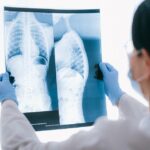
- Chest imaging such as X-ray or CT scan to look for signs of infection
- Blood tests to check for signs of infection and inflammation
- Blood cultures if the infection may have spread
- Bronchoscopy, where a thin tube is used to collect a sample directly from the airways, in certain cases
One challenge is telling apart an active infection from Pseudomonas simply being present in the airways. In people with chronic lung disease, the bacterium can be found without causing a new illness. Doctors look at the whole picture — symptoms, imaging, and lab results — rather than a single test.
How Is A Pseudomonas Lung Infection Treated?
Treatment depends on how sick the person is, where the infection was acquired, and what the lab tests show about antibiotic susceptibility. Because Pseudomonas is often resistant to multiple antibiotics, treatment usually involves specific drugs chosen for their activity against this bacterium.
In hospital settings, treatment often starts with intravenous antibiotics. Common options historically include certain penicillins, cephalosporins, aminoglycosides, and fluoroquinolones, though the exact choice depends on resistance testing. Sometimes two antibiotics are used together, a strategy called combination therapy. Whether combination therapy is always better than a single effective drug is debated, and practice varies.
For people with chronic Pseudomonas infection, such as those with cystic fibrosis or bronchiectasis, treatment may include inhaled antibiotics given directly to the airways. This approach can deliver high drug levels where they are needed. It is generally used under specialist care.
Antibiotic resistance is the central challenge. Pseudomonas can adapt quickly, and infections may return. This is why completing prescribed treatment and following up with a doctor matters. It is also why antibiotics should never be taken without a clear need.
When Should You Seek Medical Care?
Any breathing difficulty that is new, worsening, or severe needs prompt medical attention. Do not wait to see if it improves on its own.
Seek urgent care if you or someone else has:
- Severe shortness of breath or trouble breathing at rest
- Chest pain that is new or worsening
- Coughing up blood
- Confusion or difficulty staying awake
- Fever with shaking chills that does not improve
- Bluish color around the lips or fingertips
- Very low blood pressure or fainting
For people with a chronic lung condition, a change in usual symptoms is itself a reason to check in with a doctor. A slow increase in cough, mucus, or breathlessness can be an early signal worth acting on.
Can A Pseudomonas Lung Infection Be Prevented?
There is no vaccine that prevents Pseudomonas lung infections, and no single step guarantees protection. Prevention focuses on reducing exposure and supporting the body’s natural defenses, particularly in high-risk groups.
Practical measures include:
- Good hand hygiene, especially in healthcare settings
- Avoiding unnecessary antibiotics, which can disrupt protective bacteria
- Proper cleaning of medical equipment such as nebulizers and breathing devices
- Staying up to date with recommended vaccinations for other respiratory infections
- Managing underlying conditions like cystic fibrosis or COPD with regular specialist care
For people with cystic fibrosis, infection control practices in clinics and hospitals are taken seriously because Pseudomonas can spread between patients. This is an area where guidelines exist and are followed closely by care teams.
The evidence for some preventive measures is stronger than for others. Hand hygiene and equipment cleaning are well supported. The role of specific lifestyle factors is less clear, and no proven way exists to eliminate risk entirely in someone with a chronic lung condition.
Frequently Asked Questions
What does Pseudomonas sputum look like?
Pseudomonas sputum is often thick and may be green, yellow, or brown, sometimes with a sweet or fruity odor. Sputum color alone cannot confirm the infection, so lab testing is needed to identify the bacterium.
Is a Pseudomonas lung infection contagious?
Pseudomonas is not spread easily between healthy people through casual contact. It can spread between patients in healthcare settings, particularly those with cystic fibrosis, which is why infection control measures are used in clinics.
How long does a Pseudomonas lung infection last?
With treatment, symptoms may improve within days to weeks, but the timeline varies widely depending on severity and underlying health. In chronic lung conditions, Pseudomonas can persist long-term and require ongoing management.
Can a healthy person get a Pseudomonas lung infection?
It is uncommon for healthy people with normal immune systems to develop a Pseudomonas lung infection. It mainly affects people who are hospitalized, have weakened immunity, or have an underlying lung condition.
