
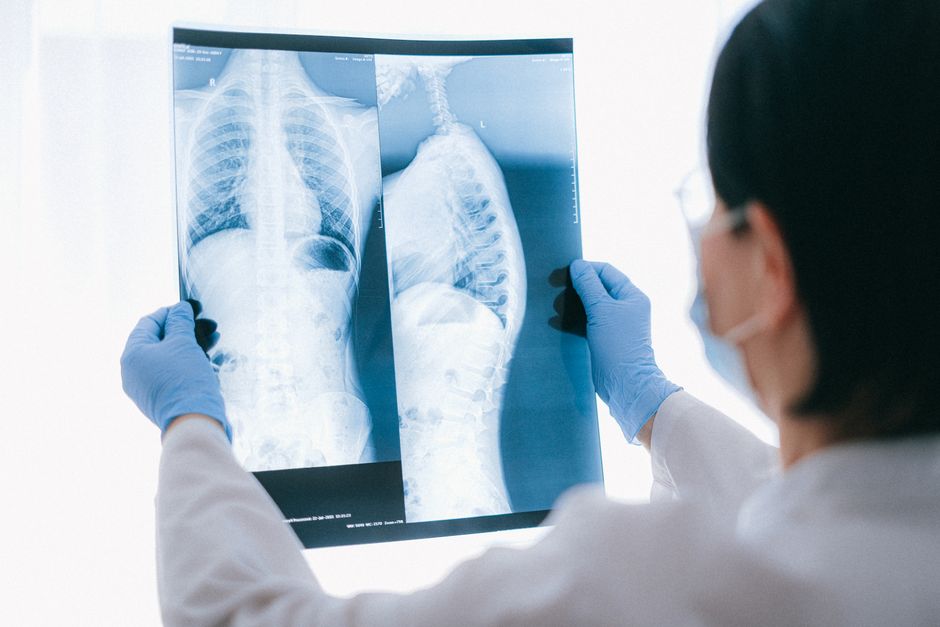
Pseudomonas lung infections are not spread from person to person in the way a cold or the flu is. The bacteria that cause them usually come from the environment — water, soil, and moist surfaces — or from a person’s own body, not from another infected person’s cough or sneeze.
That distinction matters. It changes who is at risk, how these infections are prevented, and why they cluster in hospitals and clinics rather than spreading through households. Understanding how Pseudomonas actually moves is the first step toward understanding who needs to worry and who does not.
Is A Pseudomonas Lung Infection Contagious?
No. A Pseudomonas lung infection is not contagious in the usual sense of the word. You cannot catch it from a coworker who coughs near you, and a person with the infection does not need to be isolated the way a patient with tuberculosis or influenza would be.
The bacteria — most often Pseudomonas aeruginosa — live widely in the environment. They are found in soil, in fresh water, on plants, and on many damp surfaces. For most healthy people, encountering them causes no illness at all. The infection becomes a concern mainly when these bacteria reach the lungs of someone whose defenses are already weakened.
This is why hospital outbreaks of Pseudomonas tend to trace back to a shared source — contaminated equipment, a sink, a water supply, or a medical device — rather than to one patient passing it to another. Public health guidance generally treats person-to-person spread of Pseudomonas as uncommon, and routine isolation of infected patients is not standard practice for this organism alone.
How Do People Actually Get A Pseudomonas Lung Infection?
The bacteria have to get into the airways, and they have to do so in a way that overwhelms the body’s normal defenses. That usually requires one of a few specific routes.
One common path is medical equipment. Breathing tubes, ventilators, nebulizers, and suction devices can become contaminated if they are not cleaned properly. When a tube passes into the windpipe, it bypasses the natural barriers in the nose and throat that normally filter out bacteria. This is one reason Pseudomonas is a recognized cause of ventilator-associated pneumonia in intensive care settings.
Another route is aspiration — breathing in small amounts of fluid or secretions that carry the bacteria. People who have trouble swallowing, who are sedated, or who have a weakened cough reflex are more likely to aspirate.
For people with certain long-term lung diseases, the bacteria may also take hold in airways that are already damaged. In conditions like bronchiectasis or advanced COPD, the normal clearing mechanisms are impaired, and Pseudomonas can colonize the lungs over time. Colonization means the bacteria are present without necessarily causing active illness, though they can flare into infection later.
Who Is Most At Risk?
Pseudomonas infections overwhelmingly affect people whose immune systems or lung defenses are already compromised. In otherwise healthy adults, these infections are uncommon.
The groups at higher risk include:
- People in intensive care, especially those on mechanical ventilators
- Individuals with cystic fibrosis, in whom Pseudomonas is a well-known and closely monitored problem
- People with bronchiectasis or other structural lung damage
- Patients receiving chemotherapy or immunosuppressive drugs
- People with advanced HIV or other conditions that weaken immunity
- Those with prolonged hospital stays or frequent use of antibiotics
Being in one of these groups does not mean a person will develop the infection. It means the bacteria have more opportunity to take hold if they reach the lungs. This is why prevention efforts in hospitals focus on equipment hygiene and infection control rather than on isolating patients.





Can Pseudomonas Spread Between Patients In A Hospital?
Yes, but not through the air in the way respiratory viruses spread. When multiple patients in the same unit develop Pseudomonas infections, the cause is usually a shared environmental source rather than direct transmission between people.
Contaminated water is a frequent culprit. Sinks, taps, ice machines, and even some cleaning solutions can harbor the bacteria. Medical devices that come into contact with water — respiratory therapy equipment, endoscopes, and dialysis machines among them — have been linked to outbreaks when disinfection steps fail. In these situations, the bacteria reach patients through the equipment or the water supply, not from one patient’s body to another’s.
Hand hygiene still matters, but its role here is different from what people expect. Clean hands help stop the bacteria from being carried from a contaminated surface to a vulnerable patient. It is about interrupting the path from environment to patient, not about blocking person-to-person spread.
What Are The Symptoms Of A Pseudomonas Lung Infection?
The symptoms look much like other forms of pneumonia, which is part of why the infection is diagnosed through testing rather than by appearance alone. Common signs include fever, chills, a cough that may bring up thick or discolored sputum, shortness of breath, and chest discomfort.
In people with chronic lung disease, the picture can be subtler. A change in the amount or color of usual sputum, more frequent coughing, or a drop in energy may be the first clue. Because these symptoms overlap with many other conditions, confirming Pseudomonas requires a laboratory test — usually a culture of sputum or a sample taken from the airways.
Identifying the specific bacteria matters because Pseudomonas has a distinctive pattern of antibiotic resistance. It is naturally resistant to many common antibiotics, and it can acquire resistance to others during treatment. That is why doctors often test which drugs will actually work against the strain involved rather than guessing.
How Is It Treated And Prevented?
Treatment depends on the severity of the infection and the resistance pattern of the bacteria. Because Pseudomonas resists many standard antibiotics, treatment typically involves specific drugs chosen after laboratory testing. In serious cases, more than one antibiotic may be used together.
The evidence on which exact drug combinations work best continues to evolve, and treatment decisions are made by clinicians based on the individual case and local resistance patterns. This is not a situation where a single approach fits everyone.
Prevention in healthcare settings centers on a few well-established practices:
- Thorough cleaning and disinfection of respiratory equipment and water systems
- Hand hygiene by staff and visitors
- Careful management of breathing tubes and suction devices
- Judicious use of antibiotics to limit resistance
For people with conditions like cystic fibrosis or bronchiectasis, doctors often monitor for Pseudomonas during routine checkups, since early detection can guide management. There is no vaccine for Pseudomonas, and no household measure reliably prevents exposure, because the bacteria are so common in the environment.
Does A Pseudomonas Infection Mean Someone Is A Danger To Others?
No. A person with a Pseudomonas lung infection does not pose a routine risk to family members, friends, or coworkers. Healthy people encounter these bacteria regularly in daily life without becoming ill.
The people who need to be careful are those with weakened immunity or damaged lungs who share a close environment with an infected person — and even then, the concern is more about shared equipment or water sources than about breathing the same air. In home settings, standard hygiene is generally sufficient.
One point that often gets lost: the fear of catching Pseudomonas from someone is largely misplaced. The real risk is environmental. That is a meaningful difference, because it directs attention toward the places the bacteria actually live — water, soil, and medical equipment — rather than toward the person who happens to be infected.
Frequently Asked Questions
Is a Pseudomonas lung infection contagious from person to person?
No, it is not spread from person to person in the way colds or flu are. The bacteria typically come from environmental sources like water, soil, or contaminated medical equipment.
Can you catch Pseudomonas from someone who is coughing?
No, coughing does not transmit Pseudomonas to other people in normal settings. The infection develops when the bacteria reach the lungs of someone whose defenses are already weakened.
How do people get a Pseudomonas lung infection?
Most cases involve medical equipment, aspiration of contaminated fluid, or long-term colonization in damaged airways. People in intensive care and those with chronic lung disease are at higher risk.
Should someone with a Pseudomonas infection be isolated?
Routine isolation is not standard for Pseudomonas alone, because person-to-person spread is uncommon. Hospitals instead focus on cleaning equipment and water systems to prevent exposure.
