
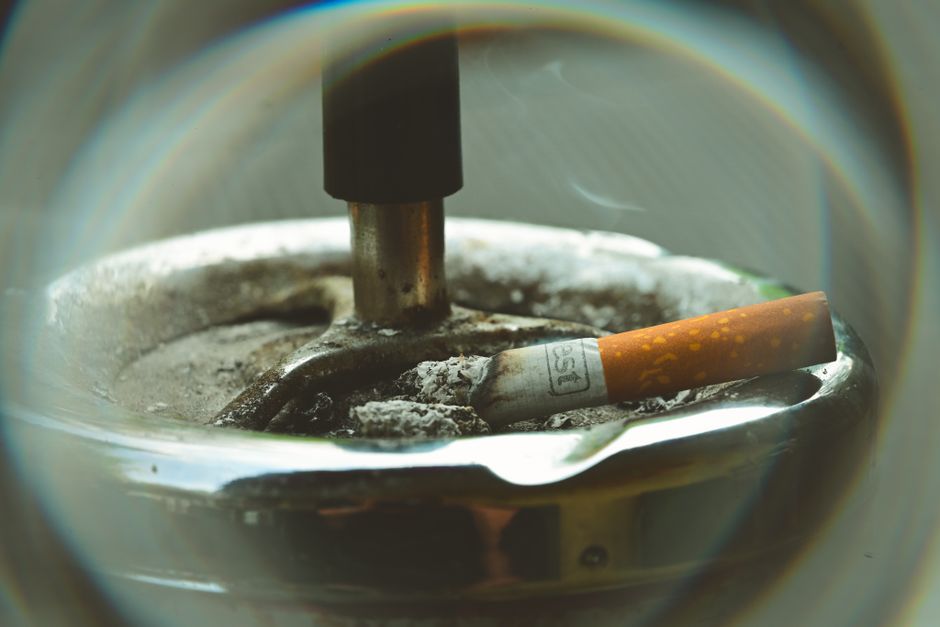
Secondhand smoke is the smoke that comes off the burning end of a cigarette, cigar, or pipe, plus the smoke a smoker breathes back out. Breathing it exposes you to many of the same cancer-causing chemicals and irritants the smoker inhales. The effects are real and well documented: higher risks of lung cancer, heart disease, asthma, and respiratory infections, and children are hit hardest because their lungs and bodies are still developing.
What Are The Effects Of Secondhand Smoke?
The effects fall into two broad groups: immediate irritation and long-term disease risk. The immediate effects are the ones most people notice. The long-term effects are the ones that matter most for health.
In the short term, secondhand smoke can irritate the eyes, nose, and throat. It can cause coughing, headaches, and a scratchy throat. People with asthma may find their symptoms get worse, and some people notice shortness of breath or a racing heartbeat after breathing it in a smoky room.
The long-term picture is more serious. The U.S. Surgeon General has concluded that secondhand smoke causes lung cancer in adults who have never smoked. It also raises the risk of heart disease and stroke. In children, it increases the risk of asthma attacks, ear infections, and respiratory infections, and it raises the risk of sudden infant death syndrome (SIDS).
There is no known safe level of exposure. That is one of the few places where the evidence is firm and not debated. Even brief exposure can affect blood vessels and the heart, and the health risks rise with more exposure over time.
What Is In Secondhand Smoke?
Secondhand smoke is a mixture of thousands of chemicals, and hundreds of them are known to be harmful. At least 70 are known or suspected to cause cancer. This is not an exaggeration — it reflects what public health authorities have documented.
The smoke contains the same main components as the smoke the smoker inhales, including nicotine, carbon monoxide, and a range of irritants and cancer-causing substances. The sidestream smoke that drifts off the burning end actually contains higher concentrations of some harmful compounds than the smoke the smoker pulls through the filter. That is a detail many people do not realize.
Secondhand smoke is not a single cloud. It is a changing mix of gases and fine particles. The particles are small enough to travel deep into the lungs, and they can stay suspended in the air and settle on surfaces long after the cigarette is out.
How Does Secondhand Smoke Affect Adults?
The strongest evidence in adults concerns cancer and the heart. Research consistently shows that nonsmokers exposed to secondhand smoke have a higher risk of lung cancer than those who are not exposed. The Surgeon General has classified secondhand smoke as a known human carcinogen.
For the heart, the picture is also clear. Secondhand smoke damages blood vessels and makes blood more likely to clot. It can raise the risk of heart disease and stroke in people who never smoked. Some research suggests that even short periods of exposure can affect blood vessel function and increase heart attack risk, though the size of that short-term effect is harder to pin down than the long-term risk.
Adults can also develop irritation of the airways, worsening asthma, and reduced lung function from ongoing exposure. The effects build with more exposure over more years.





How Does Secondhand Smoke Affect Children and Babies?
Children are more vulnerable than adults, and the reasons are physical. Their lungs are still growing, they breathe faster, and they have less control over where they spend time. A child cannot simply leave a smoky home.
The documented risks in children include:
- More frequent and more severe asthma attacks
- Higher rates of ear infections
- More respiratory infections such as bronchitis and pneumonia
- Slower lung growth in children exposed over time
- An increased risk of SIDS in babies exposed to smoke
Smoking during pregnancy and exposure of a baby to smoke after birth both raise the risk of SIDS. The evidence for this is strong and consistent. For families, this is one of the most important reasons to keep smoke away from infants entirely.
Children with asthma are especially sensitive. Even low levels of smoke can trigger an attack in a child whose airways are already inflamed.
Does Secondhand Smoke Stay On Clothes and Furniture?
Yes, and this is where a lot of confusion exists. The residue left behind after smoking is sometimes called thirdhand smoke. It clings to clothing, hair, furniture, carpets, and car seats. It is not just a smell.
Research indicates that this residue contains nicotine and other chemicals, and that some of it can react in the environment to form new compounds, including cancer-causing ones. The health effects of thirdhand smoke are an active area of study, and the evidence is not yet as strong as it is for direct secondhand smoke. What is clear is that the residue exists and that it can be a source of ongoing exposure, especially for babies and young children who crawl on floors and put things in their mouths.
Opening a window or running a fan does not remove this residue. It settles on surfaces and stays there.
Does Opening a Window or Using a Fan Help?
Not enough to protect health. Ventilation, air filters, and separate rooms can reduce how much smoke is in the air, but they do not eliminate it. The Surgeon General and other health authorities are clear on this point: there is no safe level, and no ventilation system fully removes the risk in an indoor space where smoking happens.
The only reliable way to protect people indoors is to keep smoking out of the space entirely. That means no smoking in the home, in the car, or in any enclosed area where nonsmokers spend time. This is one area where the guidance is firm and not a matter of debate.
What About Smoke From a Neighbor or Shared Building?
Smoke can travel between apartments through shared walls, ventilation systems, and gaps around plumbing and wiring. People who live in multi-unit housing can be exposed even if no one smokes in their own unit.
The health risk from this kind of low-level drifting exposure is harder to measure than the risk from living with a smoker. The evidence that it causes disease at these low levels is not as strong, but it can clearly worsen symptoms for people with asthma and cause irritation. Many public health agencies and housing policies now treat smoke-free building rules as a way to reduce exposure.
Can Secondhand Smoke Be Measured?
Yes. Exposure can be measured in the body using a marker called cotinine, which is what nicotine breaks down into. Cotinine can be detected in blood, saliva, or urine, and it shows whether a person has recently been exposed to nicotine from smoke. This is how researchers confirm exposure in studies rather than relying on people’s memory.
For everyday purposes, you do not need a test. If you can smell smoke and you spend time around it, you are being exposed.
How Can You Reduce Your Exposure?
The most effective steps are about keeping smoke out of the spaces where you live and spend time. These are practical and supported by public health guidance:
- Keep homes and cars completely smoke-free
- Ask smokers to smoke outside, away from doors and windows
- Choose smoke-free housing, restaurants, and workplaces when you can
- Support smoke-free rules in shared buildings
- If you smoke, quitting is the single biggest step for your own health and everyone around you
For people who cannot avoid exposure, especially those with asthma or heart conditions, it is reasonable to talk with a clinician about managing symptoms. No clinical guidelines currently establish a specific protective treatment for secondhand smoke exposure — the focus is on avoiding it.
There is one point worth being honest about: the evidence on thirdhand smoke and low-level drifting exposure is still developing. The evidence on direct secondhand smoke — living with a smoker, riding in a smoky car, breathing smoke in an enclosed room — is strong and has been for decades. That distinction matters when you decide how much effort to put into avoiding each type.
Frequently Asked Questions
Is occasional secondhand smoke harmful?
There is no known safe level of exposure, and even brief exposure can affect blood vessels and the heart. The risk grows with more exposure over time, so occasional exposure carries less risk than daily exposure but is not risk-free.
Can secondhand smoke cause cancer in nonsmokers?
Yes. The U.S. Surgeon General has concluded that secondhand smoke causes lung cancer in adults who have never smoked. It is classified as a known human carcinogen.
Does opening a window remove secondhand smoke?
No. Ventilation and fans can reduce smoke in the air but do not eliminate the health risk. The only reliable protection indoors is keeping smoking out of the space entirely.
How does secondhand smoke affect children?
Children exposed to secondhand smoke have higher rates of asthma attacks, ear infections, and respiratory infections, and babies face an increased risk of SIDS. Their growing lungs and faster breathing make them more vulnerable than adults.
