

CBD drinks are beverages with cannabidiol added — a compound from the hemp plant that does not cause a high. They come in many forms: sparkling waters, teas, coffees, juices, and cocktail-style mixers. People use them hoping for calm, better sleep, or relief from everyday stress. The catch is that the evidence for most of these benefits in drink form is thin, dosing is inconsistent, and the products are not tightly regulated.
What Are CBD Drinks and How Are They Made?
CBD drinks are beverages infused with cannabidiol, one of many compounds found in cannabis and hemp plants. Unlike THC, CBD does not produce intoxication. A drink labeled “CBD” should not get you high.
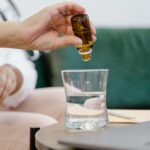
Manufacturers typically start with CBD isolate, broad-spectrum extract, or full-spectrum hemp extract. They mix it into water, tea, coffee, or juice, often adding flavorings, sweeteners, and sometimes other ingredients like adaptogens or melatonin.
Here is where it gets complicated. CBD is a fat-soluble molecule. It dissolves poorly in water. To make it mix into a beverage, companies use techniques like nanoemulsion, which breaks CBD into tiny particles, or they use a form called water-soluble CBD. These methods can change how the body absorbs the compound, but research on how much this matters in real people is still limited.
Another issue: a drink that lists “CBD” on the label does not always contain what the label claims. Testing by independent labs has found products with more CBD than stated, less than stated, or trace amounts of THC. Some have contained no CBD at all. This is not a reason to panic, but it is a reason to be skeptical of any specific promised effect.
What Types of CBD Drinks Are Available?
The market has grown fast, and the options fall into a few broad categories.
- Sparkling waters and sodas: Light, low-calorie, often with 5–20 mg of CBD per can. Marketed for daytime calm.
- CBD teas and coffees: Sold as ready-to-drink bottles or as powders and drops you add yourself. Caffeine and CBD together is a popular combination, though how they interact is not well studied.
- Juices and smoothies: Fruit-based drinks with CBD added. The sugar content can be high.
- Cocktail mixers and mocktail drinks: Designed to replace or pair with alcohol. Some contain other botanicals.
- CBD shots and tonics: Concentrated small-format drinks, sometimes with higher CBD amounts.
Labels also matter. Full-spectrum products contain a range of plant compounds, including trace THC. Broad-spectrum products remove most THC. Isolate products contain only CBD. Whether full-spectrum works better than isolate — the so-called “entourage effect” — is a popular claim that has not been confirmed in well-controlled human trials.
What Are the Effects of CBD Drinks?
The honest answer is that the effects are modest at best for most people, and the research on beverages specifically is limited.
Most clinical research on CBD uses oral capsules, oils, or purified pharmaceutical products — not drinks. That matters, because how a compound is delivered can change how much reaches the bloodstream and how fast.
What the evidence does support:
- Epilepsy: A purified CBD medication is FDA-approved for certain severe seizure disorders. This is the strongest evidence for any CBD use, and it involves a specific pharmaceutical product, not a beverage.
- Anxiety: Some small studies suggest CBD may reduce anxiety in certain situations. The evidence is early and mixed, and results vary by dose, person, and study design.
- Sleep: Some people report better sleep with CBD. Clinical trial evidence is limited and inconsistent. A 2023 review of the research found the studies were too varied to draw firm conclusions.
- Pain and inflammation: Some studies suggest possible benefit, but results are mixed and often involve topical or oral products, not drinks.
What CBD drinks are unlikely to do: cure anything, replace prescribed medication, or produce dramatic effects. Many people report feeling relaxed after a CBD drink. That could be the CBD. It could also be the ritual of drinking something, the expectation of feeling calmer, or the simple act of pausing. Both explanations are reasonable.
One non-obvious point: a drink’s effects depend heavily on how much CBD actually gets absorbed. A beverage with nanoemulsified CBD may deliver more to the bloodstream than a plain oil mixed into water. But that same technology can also mean a faster onset — and a faster fade. If a product claims “fast-acting” or “high absorption,” that is a formulation claim, not a proven clinical benefit.
How Much CBD Is in a Drink, and Does It Matter?
Doses in commercial drinks vary widely, from about 5 mg to 50 mg per serving, and sometimes more. There is no standard serving size and no official recommended daily intake for CBD in beverages.
For context, the FDA-approved epilepsy medication uses doses in the hundreds of milligrams per day under medical supervision. That is a prescription drug, not a drink, and the comparison should not be used to justify higher beverage doses.
No clinical guidelines currently exist for CBD dosing in the general adult population. That means any specific number on a drink label is a manufacturer’s choice, not a medical recommendation.
For pregnant women, breastfeeding women, and children, no clinical guidelines exist for CBD use. The CDC advises against CBD use during pregnancy because of potential risks to the developing baby. This is a case where established public health guidance should be followed, not biological reasoning.
What Are the Risks and Side Effects of CBD Drinks?
CBD is generally described as well tolerated in clinical studies at moderate doses, but “well tolerated” does not mean risk-free.
Known side effects from clinical research include:
- Drowsiness and fatigue
- Dry mouth
- Diarrhea or stomach upset
- Changes in appetite
- Irritability or mood changes in some people
More serious concerns:
- Liver injury: The FDA has flagged rare cases of liver damage linked to CBD products. Risk appears higher with high doses and with certain medications.
- Drug interactions: CBD can interfere with how the liver breaks down certain medications, including some anti-seizure drugs, blood thinners, and others. This is not a minor issue. If you take prescription medication, talk to your doctor or pharmacist before using CBD.
- THC contamination: Some products contain THC even when labeled otherwise. For people who are drug-tested, this is a real risk.
- Unknown ingredients: Because CBD beverages are not tightly regulated as a category, what is in the bottle may not match the label.
CBD drinks that contain caffeine or alcohol deserve separate caution. Caffeine can amplify jitteriness. Alcohol and CBD together can increase drowsiness and impair judgment more than either alone.
Are CBD Drinks Legal in the US?
The legal picture is messy and has shifted over time. Hemp-derived CBD with very low THC content was federally legalized under the 2018 Farm Bill. But the FDA has not approved CBD as a food additive or dietary supplement ingredient for beverages, and it has sent warning letters to companies making unsupported health claims.
State laws vary. Some states allow CBD beverages; others restrict or ban them. Some have specific rules for how CBD can be sold or labeled. If legality matters to you, check your state’s current rules — this is an area where the guidance can change.
How to Choose a CBD Drink If You Decide to Try One
There is no way to guarantee a safe or effective product, but a few practical steps can reduce risk.
- Look for a certificate of analysis (COA) from an independent lab. It should show CBD content and confirm THC levels.
- Check the label for total CBD per serving, not just “hemp extract” or “full-spectrum blend.”
- Start with a low amount and see how you respond. Individual responses vary widely.
- Avoid products that promise to treat or cure a specific disease. Those claims are not supported.
- If you take prescription medication, have liver disease, are pregnant or breastfeeding, or are under 18, talk to a healthcare provider first.
CBD drinks are not a treatment for any medical condition. They are a consumer product with uncertain dosing, variable quality, and limited evidence for the effects most people are hoping for. If you are looking for help with anxiety, sleep, or pain, the more reliable path is talking to a doctor about options with actual clinical evidence behind them.
Frequently Asked Questions
Do CBD drinks get you high?
No, CBD does not cause intoxication. However, some products contain trace THC, and a few have been found to contain more than the label states, so effects can vary.
How long do CBD drinks take to work?
Onset varies by product and person, and there is no established standard for beverages. Some people report effects within 15 to 30 minutes, while others notice little or nothing.
Are CBD drinks safe to use every day?
The long-term safety of daily CBD beverage use has not been well studied. The FDA has flagged rare liver injury cases, and CBD can interact with prescription medications.
Can I drink CBD drinks if I am pregnant or breastfeeding?
The CDC advises against CBD use during pregnancy because of potential risks to the developing baby. No clinical guidelines exist for CBD use while breastfeeding.
