
Thinning hair is a common concern, but you don’t have to live with it feeling like a secret. The right haircut, color technique, and styling routine can make a dramatic difference in how full and dense your hair looks. The key is to work with your hair’s natural texture and use visual tricks that add volume and camouflage the scalp. This guide covers the most effective, evidence-based strategies for disguising thinning hair through cuts, color, and styling.
What Is the Best Haircut for Thinning Hair?
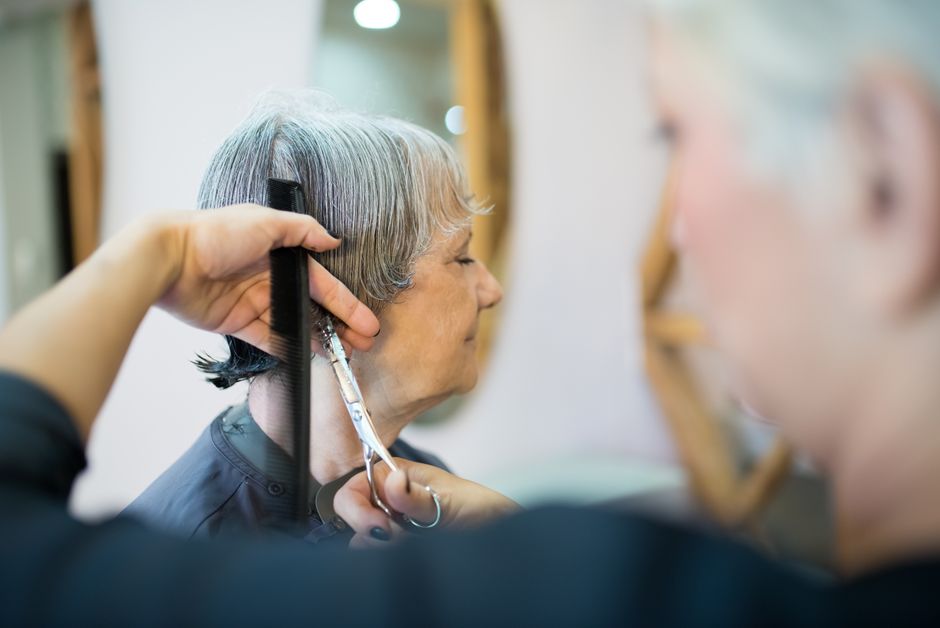
The best haircut for thinning hair is one that creates the illusion of density. Blunt cuts are often recommended because they make the ends of the hair appear thicker. When hair is all one length, the ends form a solid line, which reads as fullness. Layered cuts, especially long layers, can make thin hair look even sparser because they remove weight and create gaps.
A chin-length bob or a shoulder-length cut with minimal layering is a strong choice for many people. These lengths provide enough weight to keep the hair looking substantial without being so long that it drags down and separates. For those who prefer longer hair, keeping the length just below the collarbone with a subtle, blunt cut can still offer good results.
Bangs can also be a useful tool. Side-swept bangs add volume to the front of the hairline and can conceal a widening part. Wispy, curtain bangs frame the face and add softness without removing too much density. Avoid heavy, thick bangs, which require a lot of hair and can look thin quickly.
How Can Hair Color Make Thinning Hair Look Thicker?
Hair color is one of the most powerful tools for disguising thinning hair. The goal is to reduce the contrast between your hair and your scalp. When hair is a single, solid dark color, the scalp shows through more clearly. Lightening the hair or adding dimension can minimize this contrast.
Lighter shades, such as soft blonde, light brown, or gray, are generally more forgiving than very dark shades. They reflect more light, which makes the hair appear fuller. This is why many people notice their thinning hair looks less obvious after going a shade or two lighter.
Highlights and lowlights are also effective. They create depth and movement, which distracts the eye from any sparse areas. When highlights are placed strategically around the crown and part, they can make the hair look thicker by adding visual texture. Balayage, which involves hand-painting color, can also create a soft, blended effect that mimics natural fullness.
Which Hair Color Techniques Hide a Visible Scalp?
When the scalp is clearly visible, the focus should be on techniques that break up the visible skin. Dimensional color is the most reliable approach. Multi-tonal color, such as babylights or subtle highlights, scatters light and makes the scalp less noticeable.
Root smudging is another technique that works well. This involves applying a slightly darker shade at the roots and blending it downward. It softens the contrast between the hair and scalp and also makes regrowth less obvious, which means you can go longer between color appointments.
Avoid solid, all-over color in a single dark shade. This creates a flat look that emphasizes any thin areas. If you prefer a single color, choose a lighter shade and ask your colorist for a gloss or toner that adds shine. Shine reflects light and can give the appearance of healthier, fuller hair.




What Styling Techniques Add Instant Volume?
Styling can create immediate volume, even if the underlying hair is thin. The most effective technique is blow-drying your hair upside down. This lifts the roots away from the scalp, creating instant lift at the crown. Use a round brush to pull sections of hair upward and away from the head as you dry.
Texturizing sprays and volumizing powders are also useful. These products add grip to the hair, which makes it easier to style and gives the appearance of more body. Apply them at the roots, not the ends, and use your fingers to tousle the hair gently.
Avoid heavy conditioners and styling creams. These products weigh hair down and make it look flat and greasy quickly. Instead, look for lightweight formulas labeled “volumizing” or “root-lifting.” Dry shampoo is another excellent tool. It absorbs oil at the roots and adds texture, which can make hair look thicker between washes.
How Should You Part Your Hair to Hide Thinning?
The way you part your hair changes where the scalp is most visible. A straight, middle part exposes the largest area of scalp. Switching to a deep side part is one of the simplest and most effective changes you can make. A side part allows hair to fall across the crown, covering the thinnest areas.
You can also change your part from day to day. This is a practical trick because it prevents the hair from lying flat in the same direction repeatedly. When you switch your part, the hair stands up slightly at the new part line, which adds volume.
For those with significant thinning at the crown, a zigzag part can be helpful. This technique involves creating a small zigzag line instead of a straight one. It breaks up the visible scalp and makes the part look less wide.
What Hair Products Actually Work for Thinning Hair?
Some products genuinely help, and some are just marketing. The most important distinction is between products that add volume and products that claim to regrow hair. Volumizing shampoos, conditioners, and styling products can change the appearance of your hair immediately. They coat the hair shaft, making each strand look thicker, or they lift the roots for a fuller look.
Products that claim to regrow hair are a different category. The only topical ingredient with strong evidence for hair regrowth is minoxidil, which is available over the counter. It is approved by the FDA for treating hereditary hair loss. Some research also supports the use of ketoconazole, an ingredient found in some dandruff shampoos, for hair loss, but the evidence is less robust.
Be cautious with products that promise dramatic regrowth without clinical evidence. Many serums and supplements contain ingredients like biotin, which is popular but has limited proof of effectiveness for hair growth in people who are not deficient. If a product sounds too good to be true, it likely is.
Frequently Asked Questions
Does cutting your hair short make it look thicker?
Yes, shorter hair often looks thicker because it has more internal weight and the ends are closer together. A blunt bob or lob is a classic choice for creating the appearance of density.
Will coloring my hair damage it more?
Any chemical process carries some risk of damage, but professional color services are generally safe when done correctly. Lighter shades and dimensional techniques often improve the look of thinning hair without causing significant damage.
Can I hide thinning hair without cutting or coloring it?
Yes, styling techniques can help. Using volumizing products, blow-drying upside down, and changing your part are all effective ways to create fullness without altering your hair’s length or color.
Are hair fibers a good option for hiding thinning?
Hair fibers are a temporary cosmetic option that can be very effective. They are statically charged particles that cling to existing hair and instantly make the area look denser. They wash out with shampoo and are generally safe for daily use.
