
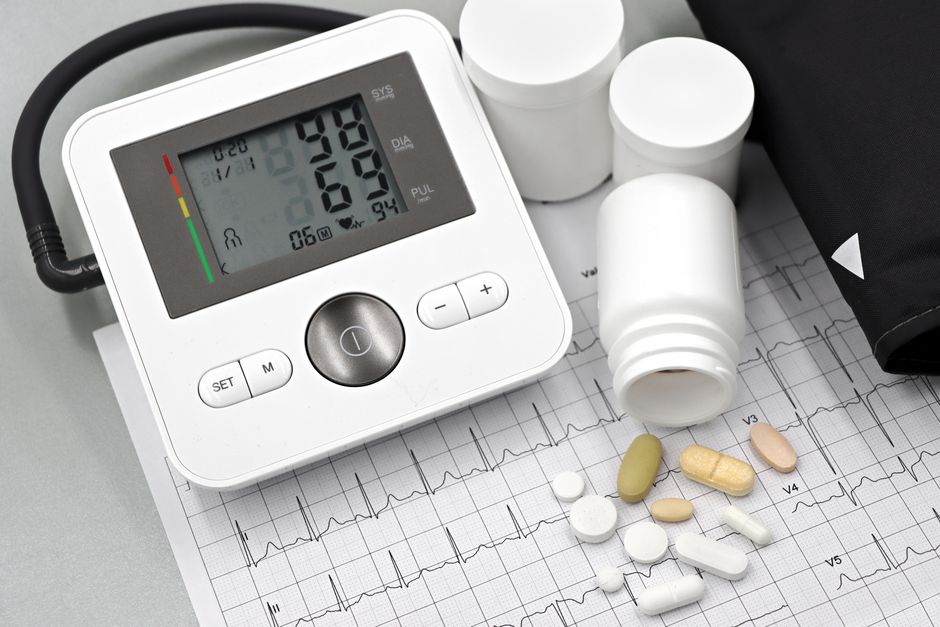
Dehydration reduces the total volume of blood in your body, which forces your heart to work harder to deliver oxygen to your tissues. When fluid levels drop, blood becomes thicker and blood pressure can fall, triggering a faster heart rate as the heart tries to compensate. In otherwise healthy people, mild dehydration causes a noticeable increase in pulse rate, but severe dehydration can lead to dangerous drops in blood pressure and, in extreme cases, heart strain or shock.
How Does Dehydration Affect Blood Volume and Blood Pressure?
Your body is roughly 60% water, and blood plasma is about 90% water. When you lose fluids through sweat, urine, or illness, the plasma volume shrinks. Less plasma means less blood circulating through your veins and arteries.
This drop in blood volume directly lowers blood pressure. The heart does not sense the lack of water directly. Instead, it senses the reduced pressure and responds by beating faster and more forcefully. This is why a common early sign of dehydration is a rapid pulse, even while resting.
Blood pressure changes can vary. Some people experience a slight drop in blood pressure when standing up, called orthostatic hypotension. This can cause dizziness or lightheadedness. In severe dehydration, blood pressure can fall to dangerously low levels, reducing blood flow to vital organs.
Why Does the Heart Rate Increase When You Are Dehydrated?
The heart rate increase is a compensatory mechanism. Baroreceptors, which are pressure sensors in the aorta and carotid arteries, detect the lower blood pressure. They send signals to the brain to increase heart rate and constrict blood vessels.
This response helps maintain adequate blood flow to the brain and other critical organs in the short term. However, it is not sustainable. A persistently elevated heart rate requires more oxygen. For a healthy heart, this is manageable for a short period. For someone with existing heart disease, this added workload can trigger symptoms like chest pain or shortness of breath.
Research consistently shows that even mild dehydration of about 1-2% of body weight can measurably increase heart rate during exercise. Some studies also suggest that dehydration impairs the ability of blood vessels to dilate properly, which can further strain the cardiovascular system.
Can Dehydration Cause Heart Palpitations?
Yes. Heart palpitations, which feel like a racing, fluttering, or skipping heartbeat, are commonly reported with dehydration. The mechanism is related to electrolyte imbalances. Sodium and potassium are critical for the electrical signals that control heart rhythm. When you lose fluids, you also lose these electrolytes.
An imbalance in these minerals can disrupt the heart’s electrical system. This can produce premature beats or a sensation that the heart is pounding. Most dehydration-related palpitations resolve once fluids and electrolytes are replenished.
However, palpitations can also be a sign of a more serious arrhythmia. If palpitations are accompanied by chest pain, fainting, or severe shortness of breath, seek emergency medical care.





Are There Long-Term Heart Risks From Repeated Dehydration?
The long-term risks are less clear. Short-term dehydration is a common, reversible stressor on the heart. But chronic, low-level dehydration may be a different story. Some observational studies have linked poor hydration habits to a higher risk of developing high blood pressure over time.
The evidence here is not conclusive. It is difficult to separate the effects of chronic dehydration from other lifestyle factors like diet and exercise. However, the biological reasoning is sound. Consistently lower blood volume may keep the renin-angiotensin system, which regulates blood pressure, in a chronically activated state. This could contribute to vascular stiffness over years.
More research is needed before making firm claims. What is clear is that maintaining normal hydration is a simple way to keep blood pressure and heart rate within normal ranges on a daily basis.
What Are the Warning Signs That Dehydration Is Affecting Your Heart?
Your body gives clear signals when dehydration is stressing the cardiovascular system. Recognizing them early can prevent serious complications.
- Rapid resting heart rate: A pulse that stays above 100 beats per minute while sitting still.
- Dizziness on standing: Feeling lightheaded or faint when moving from sitting to standing.
- Dark urine: A sign that your kidneys are conserving water, which means blood volume is already low.
- Extreme thirst and dry mouth: Obvious but often ignored until dehydration is moderate.
- Reduced urine output: Going more than 8 hours without needing to urinate.
- Weakness or fatigue: Reduced blood flow to muscles and organs makes them work less efficiently.
For healthy adults, these symptoms typically resolve with oral rehydration. For older adults, people with heart failure, or those on blood pressure medications, these symptoms can escalate quickly. Medical attention is warranted if symptoms do not improve after drinking fluids.
Can Dehydration Trigger a Heart Attack?
Dehydration alone does not typically cause a heart attack in a person with healthy coronary arteries. A heart attack occurs when a blood clot blocks a coronary artery. Dehydration does not directly cause clot formation.
However, dehydration can be a contributing factor in people with existing coronary artery disease. The reduced blood volume and thicker blood increase the workload on the heart. The increased heart rate also shortens the time the heart has to receive its own blood supply during diastole, the relaxation phase. This can reduce oxygen delivery to the heart muscle itself.
For someone with narrowed arteries, this combination can trigger angina or, in severe cases, a heart attack. This is why people with known heart disease are advised to stay well-hydrated, especially during hot weather or illness.
Who Is Most at Risk for Cardiac Complications From Dehydration?
Certain groups face higher risks. Older adults are particularly vulnerable because the thirst mechanism weakens with age. They may not feel thirsty until dehydration is already significant. Kidneys also become less efficient at concentrating urine with age, meaning more water is lost.
People taking diuretics, commonly prescribed for high blood pressure or heart failure, are at higher risk. Diuretics increase urine output to lower blood volume and pressure. Adding dehydration on top of this effect can cause blood pressure to plummet.
Athletes and outdoor workers who sweat heavily lose both water and sodium. Replacing water without electrolytes can dilute the remaining sodium in the blood, a condition called hyponatremia. This can cause confusion, seizures, and cardiac arrhythmias.
People with heart failure face a unique challenge. They are often advised to limit fluid intake to prevent fluid buildup in the lungs. However, they also need enough fluid to maintain blood pressure. This balance requires individualized medical guidance.
How Much Water Do You Need to Protect Your Heart?
There is no single number that works for everyone. Fluid needs vary based on body size, activity level, climate, and health status. The old advice of eight glasses a day is a reasonable starting point for many adults, but it is not a universal rule.
A more practical approach is to monitor urine color. Pale yellow urine generally indicates adequate hydration. Dark yellow or amber urine suggests you need more fluids. Clear urine can mean you are overhydrated.
During exercise or heat exposure, weigh yourself before and after activity. Weight loss during exercise is almost entirely fluid loss. Drinking about 16-24 ounces of fluid for every pound lost during exercise is a common recommendation from sports medicine guidelines.
For people with heart failure, these general guidelines do not apply. Fluid restrictions are often prescribed by a cardiologist and must be followed precisely. Do not increase fluid intake without consulting your doctor if you have heart failure.
Frequently Asked Questions
Can dehydration cause high blood pressure?
Dehydration more commonly causes low blood pressure, not high blood pressure. However, the body’s compensatory response to constrict blood vessels can temporarily raise blood pressure in some people, particularly if they already have hypertension.
How long does it take for the heart to recover from dehydration?
Heart rate typically returns to normal within a few hours after adequate fluid and electrolyte replenishment. Full recovery of blood volume can take up to 24 hours in cases of moderate to severe dehydration.
Does dehydration affect ECG results?
Yes, dehydration can cause electrolyte imbalances that produce changes on an electrocardiogram. These changes typically normalize after rehydration, but an abnormal ECG should always be evaluated by a clinician.
Is water or sports drink better for heart function during dehydration?
Water is sufficient for mild dehydration. Sports drinks are beneficial when dehydration is caused by heavy sweating because they replace sodium and potassium lost through sweat, which are essential for normal heart rhythm.
