
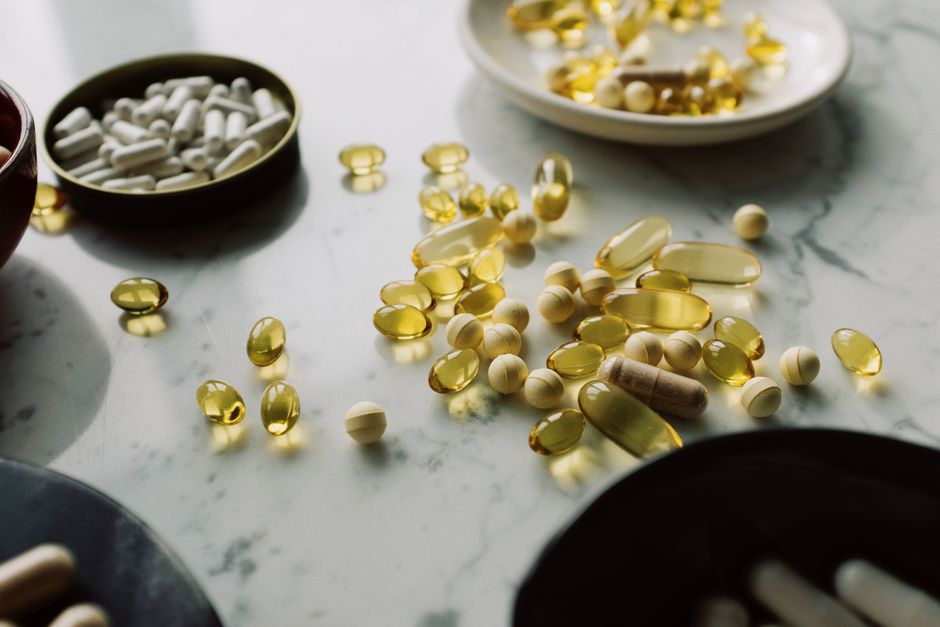
NAC — short for N-acetylcysteine — is a modified form of the amino acid cysteine, and it is not technically an amino acid itself. It is sold as a supplement, but it is also a prescription drug used in hospitals for specific emergencies. The gap between those two roles is where most of the confusion about NAC comes from.
NAC works mainly by replenishing glutathione, the body’s primary internal antioxidant. It has strong, well-established medical uses and a longer list of proposed uses where the evidence is much thinner. Side effects are usually mild when taken by mouth, but NAC is not risk-free, and it interacts with a few important medications.
Is NAC an amino acid?
No. NAC is a derivative of cysteine, which is one of the 20 standard amino acids used to build proteins. The “N-acetyl” part is a chemical group attached to the cysteine molecule.
That attachment matters for two reasons. First, it makes NAC more stable and better absorbed than plain cysteine when taken by mouth. Second, it changes how the body handles it. Once NAC is absorbed, enzymes remove the acetyl group and release cysteine, which the body can then use to build proteins or to make glutathione.
Cysteine is classified as a conditionally essential amino acid. Under normal conditions the body can make it, but during illness, stress, or certain metabolic states, demand can exceed supply. That is part of why NAC has clinical value — it delivers a usable form of cysteine when the body needs more than it can produce.
What does NAC actually do in the body?
The best-understood action of NAC is that it raises glutathione. Glutathione is present in nearly every cell and helps neutralize reactive oxygen species — unstable molecules that can damage DNA, proteins, and cell membranes.
When glutathione runs low, cells become more vulnerable to oxidative stress. NAC gives the body raw material to rebuild glutathione stores. This is a well-documented mechanism supported by decades of biochemistry research.
NAC also has a second, separate action. It can break apart disulfide bonds in mucus, which is why it has been used to thin thick secretions in the airways. This effect is chemically distinct from the antioxidant role and is the basis for its use in certain respiratory and overdose settings.
A common misunderstanding is that raising glutathione automatically produces health benefits. That does not follow. Many conditions involve oxidative stress, but lowering oxidative stress markers in a lab test does not reliably translate into feeling better or living longer. The mechanism is real. The outcome depends entirely on the condition being studied.
What is NAC used for medically?
NAC has two prescription uses with the strongest evidence behind them.
The first is acetaminophen (Tylenol) overdose. When someone takes too much acetaminophen, the liver produces a toxic byproduct faster than it can be detoxified. NAC restores the glutathione needed to neutralize that byproduct. Given early enough, it prevents serious liver damage. This is a well-established, potentially life-saving treatment, and it is given under medical supervision — not self-administered at home.
The second is as a mucolytic — a mucus-thinning agent. It is used in certain chronic respiratory conditions to help clear thick secretions. This use is established in clinical practice, though its benefit varies depending on the specific condition and how it is delivered.
There is also an inhaled form used in some countries for specific lung conditions, and an intravenous form for acute liver failure from other causes. Availability and approved uses differ by country.
What is NAC marketed for, and does the evidence hold up?
This is where the picture gets murky. NAC is sold for a long list of purposes, but the strength of evidence varies enormously across them.
Psychiatric and neurological uses
Some research suggests NAC may have a role in certain psychiatric conditions, including obsessive-compulsive disorder and trichotillomania, as an add-on to standard treatment. The studies are generally small, and results have not been consistent across all trials. This is an active area of research, not a settled recommendation.
For conditions like bipolar disorder, schizophrenia, and substance use disorders, some trials show modest signals, but the overall evidence is mixed. No major clinical guideline recommends NAC as a primary treatment for any psychiatric condition.
Respiratory and lung conditions
Beyond its prescription mucolytic role, NAC is often marketed for chronic bronchitis, COPD, and general lung support. Some studies suggest it may reduce flare-ups in chronic bronchitis, but results across trials have been inconsistent, and guidelines do not uniformly recommend it for this purpose.
Liver support
NAC is sometimes marketed for general liver health. Outside of acetaminophen poisoning and certain acute liver conditions, there is limited evidence that NAC helps chronic liver disease. It is not a standard treatment for fatty liver or hepatitis.
Other claims
NAC is also sold for fertility, skin health, immune support, and anti-aging. For these uses, the evidence is either very limited or absent. No large human trials have confirmed meaningful benefits. Marketing language around these claims typically outpaces what studies actually show.
What are the side effects of NAC?
When taken by mouth at typical supplement doses, NAC is generally well tolerated. The most common side effects are gastrointestinal, and they are usually mild.
- Nausea
- Vomiting
- Stomach upset or diarrhea
- Unusual or strong odor (the sulfur content)
- Headache
At higher doses, or when NAC is given intravenously, reactions can be more significant. These include flushing, rash, itching, low blood pressure, and in rare cases a severe allergic reaction. Intravenous NAC is given in clinical settings specifically because those reactions need monitoring.
People with asthma should be cautious. Inhaled or intravenous NAC can trigger bronchospasm in some individuals with reactive airway disease. Oral NAC is generally considered less likely to cause this, but the risk exists.
Anyone with a bleeding disorder or on blood-thinning medication should talk to a clinician before using NAC. There is also some concern about NAC and nitroglycerin — a medication used for chest pain — because NAC may amplify its blood pressure-lowering effect.
Does NAC interact with medications?
Yes, and a few of these interactions are clinically important.
- Nitroglycerin — NAC may increase its effects, potentially causing a dangerous drop in blood pressure.
- Blood thinners — NAC may add to their effect, increasing bleeding risk.
- Certain antibiotics — NAC may reduce the effectiveness of some, though evidence is limited and results vary.
- Activated charcoal — used in poisoning treatment, it can bind NAC and reduce its absorption when both are given together.
This list is not complete. Anyone taking prescription medication should check with a pharmacist or clinician before adding NAC.
How is NAC dosed, and what forms exist?
Dosing depends entirely on the purpose, and the ranges are wide.
For acetaminophen overdose, NAC is given at specific, protocol-driven doses under medical supervision. This is not a situation for self-treatment.
For supplement use, doses commonly studied range from several hundred milligrams to a few thousand milligrams per day, often divided into multiple doses. These ranges come from research settings, not from a single official guideline for general use. There is no established recommended daily intake for NAC as a supplement.
Forms include oral capsules, effervescent tablets, powders, and liquid solutions. The prescription forms include intravenous and inhaled preparations. Absorption of oral NAC is relatively low, which is one reason doses in studies tend to be on the higher side.
For pregnant women, breastfeeding women, and children, no clinical guidelines currently exist for NAC supplementation. NAC is used in specific medical situations in these groups under supervision, but routine supplementation is not established as safe or appropriate.
Is NAC safe to take every day?
For most healthy adults, oral NAC at supplement doses appears to be well tolerated over periods studied in clinical trials, which are often weeks to a few months. Long-term safety data beyond that is limited.
That does not mean daily use is necessary or beneficial for everyone. NAC is not a nutrient the body requires from supplements, and there is no evidence that healthy people with adequate glutathione need more. The case for supplementation is strongest in specific clinical situations, not in general wellness use.
Anyone considering long-term NAC should weigh the reason against the quality of evidence for that specific use. For many marketed purposes, that evidence is weak or absent.
Frequently Asked Questions
Is NAC an amino acid or not?
NAC is not an amino acid — it is a modified form of the amino acid cysteine. The body converts it into cysteine after absorption, which can then be used to make glutathione.
What is NAC most proven for?
The strongest evidence is for treating acetaminophen overdose and for thinning thick mucus in certain respiratory conditions. Both are prescription uses given under medical supervision.
What are the most common NAC side effects?
The most common side effects are nausea, vomiting, stomach upset, and diarrhea. These are usually mild with oral use but can be more serious when NAC is given intravenously.
Can you take NAC with blood thinners?
NAC may increase the effect of blood-thinning medications, raising bleeding risk, so it should only be combined under medical guidance. A clinician or pharmacist should review any medication list before starting NAC.
