
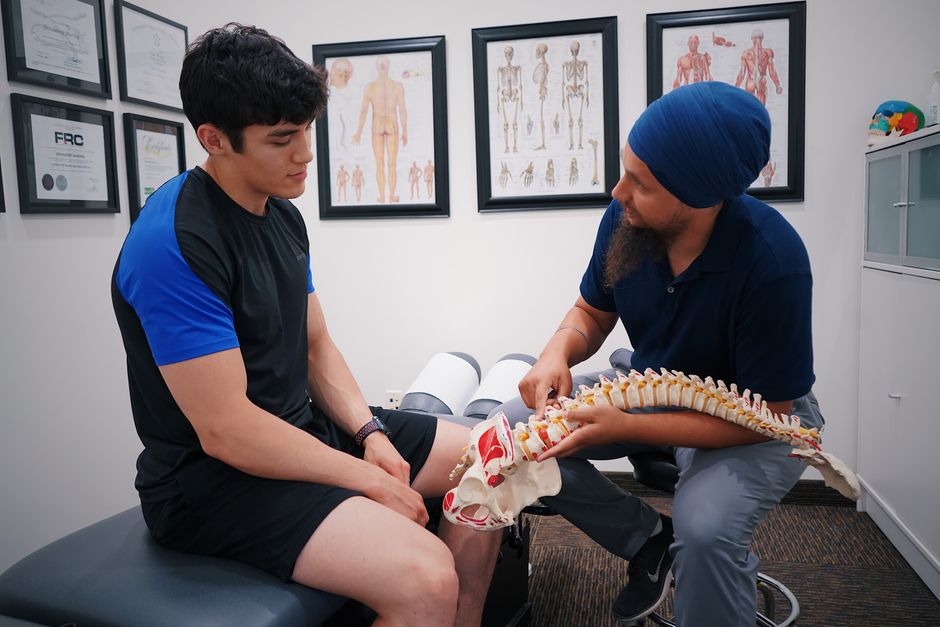
Bones are not the inert scaffolding many people picture. They are living organs that rebuild themselves throughout life, and they perform several jobs at once: structural support, protection of vital organs, movement, blood cell production, mineral storage, and hormone regulation. When people ask what the bone functions are, the short answer is that your skeleton keeps you upright, shields your brain and heart, lets you move, manufactures blood cells, banks calcium and phosphate, and even releases signals that influence other organs.
What Are The Bone Functions?
Bone performs six core jobs, and they overlap more than most people realize.
- Support. Bones form the framework that holds your body up against gravity and gives it shape.
- Protection. The skull encloses the brain. The rib cage shields the heart and lungs. The spine protects the spinal cord.
- Movement. Muscles pull on bones across joints, and bones act as levers that turn muscle contraction into motion.
- Blood cell production. The soft tissue inside certain bones, called marrow, makes red blood cells, white blood cells, and platelets.
- Mineral storage. Bone holds about 99 percent of the body’s calcium and a large share of its phosphorus.
- Hormone and metabolic signaling. Bone cells release substances that influence other tissues, including the kidneys and, indirectly, how the body handles blood sugar.
That last function is the one people rarely hear about. Bone is not just a warehouse for minerals. It talks to the rest of the body.
How Do Bones Support and Protect the Body?
Support and protection are the most obvious bone functions, and they come down to structure. Bone is a composite material. It combines a flexible protein called collagen with a hard mineral called hydroxyapatite, which is mostly calcium and phosphate. Collagen gives bone some give so it can bend slightly under load. The mineral gives it compressive strength. Together they create a material that resists both snapping and crushing, which is why healthy bone can absorb the force of a fall or a jump.
Long bones like the femur work as levers. When a muscle contracts, it pulls on a tendon attached to the bone, and the bone pivots at the joint. Without rigid levers, muscle contraction would produce very little useful movement. This is why the skeleton and the muscular system are usually described together as the musculoskeletal system.
Protection works by enclosure. The skull is a bony case around the brain. The vertebral column surrounds the spinal cord. The rib cage forms a cage around the heart, lungs, and major blood vessels. These structures do not stop every injury, but they reduce the force that reaches the organs inside.
How Does Bone Marrow Make Blood Cells?
Inside many bones is marrow, and marrow is where blood cells are born. This process is called hematopoiesis. It happens mainly in the bone marrow of the pelvis, spine, ribs, sternum, skull, and the ends of the long bones.
Marrow comes in two types. Red marrow is the active factory that produces red blood cells, white blood cells, and platelets. Yellow marrow is mostly fat and stores energy. In infants, most marrow is red. Over time, more of it converts to yellow, which is why adults produce blood cells in a smaller set of locations than children do.
Red blood cells carry oxygen from the lungs to tissues. White blood cells fight infection. Platelets help blood clot. All three start as stem cells in the marrow. When something disrupts this process, such as certain cancers, chemotherapy, or some genetic conditions, the effects show up across the whole body, not just in the bones.





How Does Bone Store and Release Minerals?
Bone serves as the body’s calcium bank. About 99 percent of the calcium in your body sits in your bones and teeth. The remaining 1 percent circulates in blood and fluid, where it does critical work: muscle contraction, nerve signaling, and blood clotting all depend on it.
That small circulating pool has to stay within a narrow range. If blood calcium drops, the body responds by releasing parathyroid hormone, which tells bone to release some of its stored calcium. If blood calcium rises, the hormone calcitonin and other signals help move calcium back into bone or out through the kidneys. This give-and-take happens continuously.
Phosphorus works in a similar way. Bone stores most of the body’s phosphorus, and it is released as needed for energy metabolism and other cellular tasks. The takeaway is that bone is not a static vault. It is a checking account that deposits and withdraws minerals every day.
How Does Bone Remodeling Work?
Bone rebuilds itself constantly through a process called remodeling. Two cell types do most of the work. Osteoblasts build new bone. Osteoclasts break down old bone. In a healthy adult, the two stay roughly balanced.
Remodeling serves several purposes. It repairs small cracks from daily wear. It releases calcium when the body needs it. It also lets bone adapt to the loads placed on it. This last point is why weight-bearing exercise tends to strengthen bone, and why prolonged bed rest or a limb in a cast tends to weaken it.
The balance shifts with age. Bone mass tends to peak in the late twenties to early thirties. After that, most people slowly lose more bone than they build. When that loss becomes large enough, it leads to osteoporosis, a condition where bones become fragile and fracture more easily.
Two hormones matter a great deal here. Estrogen helps restrain bone breakdown in both men and women, though it plays a larger role in women. After menopause, estrogen falls sharply, which is one reason bone loss accelerates in women during that period. Testosterone also supports bone maintenance in men, and levels decline gradually with age.
What Else Does Bone Do Beyond Structure?
Bone acts as an endocrine organ, meaning it releases hormones into the bloodstream that affect other parts of the body. One example is a protein called osteocalcin, which some research suggests plays a role in energy metabolism and glucose handling. The evidence here is still developing, and scientists have not settled how much this matters in humans compared with the structural and mineral functions.
Bone also influences the immune system through the marrow, since immune cells originate there. And the skeleton stores growth factors and other signaling molecules that are released when bone is broken down.
This is an area where it pays to be careful. The endocrine role of bone is real and well documented in laboratory and animal studies. How strongly it shapes human health outcomes is still an active question.
What Happens When Bone Function Declines?
When bone function weakens, the consequences show up in predictable ways. Support and protection drop, so fractures happen more easily. Mineral balance can drift, which affects muscles and nerves. Marrow function can be disrupted by disease or treatment.
Osteoporosis is the most common example. It develops silently, often with no symptoms until a fracture occurs. The most serious fractures typically happen in the hip, spine, and wrist. Hip fractures in older adults are particularly serious because they often lead to loss of independence and carry a higher risk of complications.
Other conditions affect different bone functions. Paget’s disease disrupts normal remodeling, leading to enlarged and weakened bones. Osteogenesis imperfecta, a genetic condition, affects collagen and makes bones break easily. Cancers that spread to bone can disrupt both structure and marrow. Each of these shows how tightly the functions of bone are linked.
How Can You Support Bone Health?
The factors that support bone are well established, even if the exact numbers vary by person.
- Calcium. Adults generally need around 1,000 milligrams per day, with higher amounts recommended for women over 50 and men over 70. Dairy, leafy greens, and fortified foods are common sources.
- Vitamin D. Vitamin D helps the body absorb calcium. Recommendations vary, and many adults do not get enough from sun exposure alone.
- Weight-bearing exercise. Walking, jogging, and resistance training place load on bone and support remodeling.
- Protein. Adequate protein supports the collagen framework of bone.
- Avoiding smoking and limiting alcohol. Both are linked to lower bone density.
These steps support normal bone function. They are not a guarantee against fracture, and they do not replace medical evaluation if you have risk factors or symptoms. If you are concerned about your bone health, a clinician can assess your individual situation.
Frequently Asked Questions
What are the main functions of bones?
Bones provide support, protect organs, enable movement, produce blood cells in the marrow, store minerals like calcium, and release hormones that influence other body systems. These functions work together rather than separately.
Do bones make blood cells?
Yes. Red marrow inside bones such as the pelvis, spine, and sternum produces red blood cells, white blood cells, and platelets. In adults, this happens in a smaller set of bones than in children.
How much calcium is stored in bones?
About 99 percent of the body’s calcium is stored in bones and teeth. The remaining 1 percent circulates in blood and fluid, where it supports muscle, nerve, and clotting functions.
Does bone function change with age?
Yes. Bone mass typically peaks in the late twenties to early thirties and then gradually declines. This loss speeds up after menopause in women because estrogen helps protect bone.
