
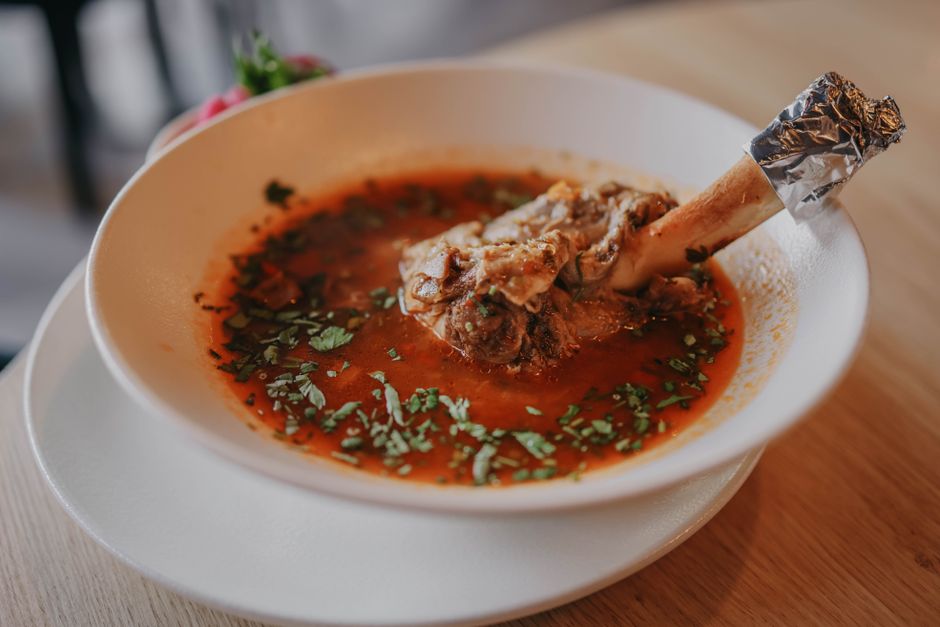
Bone broth contains calories, so it does break a fast in the strict sense. A typical cup has roughly 40 to 50 calories and 8 to 10 grams of protein, depending on the recipe and how long it simmered. Whether that matters depends entirely on why you are fasting and what you are trying to achieve.
If your goal is zero-calorie fasting for autophagy, cellular cleanup, or a strict metabolic reset, bone broth ends that fast. If your goal is weight loss, gut rest, or simply getting through a longer fast without feeling miserable, a cup of bone broth may fit within your plan. The answer is not yes or no. It is: yes, it breaks a fast, and for many people that is perfectly acceptable.
What Counts as Breaking a Fast?
Fasting has no single definition. That is the root of most confusion around bone broth.
In the strictest sense, any calorie entering your body interrupts a fast. Your digestive system activates, insulin rises, and your body shifts from a fasting state to a fed state. Even small amounts of protein or fat trigger this shift.
But fasting exists on a spectrum. Some people fast for religious reasons and follow specific rules about what is permitted. Some fast for weight loss and care mainly about total daily calories. Some fast for metabolic reasons and want to stay in ketosis. Others fast for longevity-related reasons and want to suppress a specific cellular pathway called mTOR.
Each goal has a different threshold for what “breaks” the fast. A cup of bone broth affects each goal differently.
What Is Actually in Bone Broth?
Bone broth is made by simmering animal bones, usually with vegetables, herbs, and sometimes vinegar, in water for many hours. The result is a liquid that contains dissolved proteins, minerals, and other compounds from the bones and connective tissue.
The main components of a typical cup of bone broth include:
- Protein: mostly collagen and gelatin, with smaller amounts of other proteins. Roughly 8 to 10 grams per cup in many commercial and homemade versions.
- Calories: typically 40 to 50 per cup, mostly from protein with small amounts of fat.
- Minerals: calcium, magnesium, phosphorus, and potassium in varying amounts. The exact mineral content depends heavily on the bones used and simmer time.
- Electrolytes: sodium and potassium, which is one reason many people drink it during longer fasts.
- Collagen and gelatin: these are not complete proteins. They lack tryptophan and are low in some other essential amino acids.
What is not in bone broth, despite frequent marketing claims, is meaningful evidence of a unique health benefit that other protein sources do not provide. The collagen in bone broth is broken down during digestion into amino acids, just like collagen from any other source. Your body does not distinguish between collagen from a simmered bone and collagen from a supplement or a piece of meat.
How Bone Broth Affects Fasting Physiology
When you consume protein, your body releases insulin. Even a small amount of protein triggers some insulin response, though less than carbohydrates. This is why strict fasters avoid bone broth.
Insulin is the main hormone that signals your body to store energy rather than release it. When insulin rises, fat breakdown slows. For someone fasting specifically to lower insulin or to maximize fat burning, even a modest protein intake matters.
Protein also activates mTOR, a cellular pathway involved in growth and repair. Some people fast to suppress mTOR and activate autophagy, a process where cells break down and recycle damaged components. Autophagy is a well-established biological process, though the exact fasting duration required to meaningfully increase it in humans is not firmly established. Much of what is known comes from animal studies and cell research, not controlled human trials.
Here is where bone broth sits on the spectrum:
| Goal | Does bone broth break the fast? | Notes |
|---|---|---|
| Zero-calorie fast | Yes | Any calories end a strict fast |
| Weight loss | Technically yes, but often acceptable | 40 to 50 calories is small relative to daily intake |
| Ketosis | Minimal impact | Protein has little effect on ketones at this amount |
| Autophagy | Likely yes | Protein activates mTOR, which may reduce autophagy |
| Gut rest | No | Bone broth is easy to digest and often used for this purpose |
The ketosis row deserves a note. Protein does not raise blood sugar or insulin as much as carbohydrates, and small amounts of protein generally do not kick you out of ketosis. Some people following a ketogenic diet drink bone broth during fasting windows without measurable effect on ketone levels. But individual responses vary, and there is no large study establishing a precise threshold.




Will Bone Broth Break a Fast for Weight Loss?
For weight loss, the question is less about fasting physiology and more about total calories.
Weight loss ultimately depends on a calorie deficit. If a cup of bone broth helps you extend a fast from 14 hours to 18 hours because you are not distracted by hunger, it may support your goal even though it technically breaks the fast. If it adds 50 calories on top of your normal eating without helping you fast longer, it works against your goal.
Many people find that a cup of bone broth during a longer fast reduces hunger, provides electrolytes, and makes the fast more sustainable. That is a reasonable trade-off for weight loss. It is not a reasonable trade-off if your goal is a strict zero-calorie fast.
Does Bone Broth Break a Fast for Autophagy?
Probably yes, though the evidence is not as clear as many fasting advocates suggest.
Autophagy is a cellular recycling process. It is well documented in animals and in human cells studied in the lab. What is much less clear is how much fasting humans need to trigger it, how long it lasts, and whether small amounts of protein meaningfully reduce it.
What is known: protein intake activates mTOR, and mTOR activation suppresses autophagy. This relationship is well established in cell and animal research. Whether a single cup of bone broth with 8 to 10 grams of protein is enough to meaningfully suppress autophagy in a fasting human is not known. No controlled human trial has answered that question.
If your primary reason for fasting is autophagy, the conservative approach is to stick to water, plain tea, or black coffee. If autophagy is a secondary benefit and you are fasting mainly for weight or convenience, bone broth is unlikely to undo your efforts.
What About Electrolytes and Longer Fasts?
Electrolytes become a real concern during extended fasts. When you stop eating, your body loses sodium and potassium through urine. This can cause headaches, fatigue, dizziness, and muscle cramps.
Bone broth contains sodium and potassium, which is one reason it is popular during longer fasts. A cup can help replace some of what you lose. But bone broth is not a reliable electrolyte replacement on its own. The sodium and potassium content varies widely depending on the recipe. If you are doing extended fasts, you may need additional sodium, potassium, and magnesium beyond what bone broth provides.
Anyone considering fasts longer than 24 to 48 hours should talk with a healthcare provider first. Extended fasting carries real risks, including electrolyte imbalances, and is not appropriate for everyone. People who are pregnant, breastfeeding, taking certain medications, or managing diabetes or other chronic conditions should not fast without medical guidance.
How to Decide If Bone Broth Fits Your Fast
Ask yourself one question: what is the main reason I am fasting?
If the answer is strict cellular fasting, autophagy, or a religious practice that requires zero calories, skip the bone broth. Water, plain tea, and black coffee are your options.
If the answer is weight loss, gut rest, or making a longer fast more manageable, bone broth is a reasonable choice. It provides some protein, electrolytes, and warmth, and it may help you fast longer than you otherwise would.
If the answer is metabolic health and you are tracking ketones, you can test your own response. Some people see no change after a cup of bone broth. Others see a small dip. Individual results vary, and there is no universal rule.
One practical note: homemade bone broth and commercial bone broth are not the same. Commercial products vary widely in protein, sodium, and calorie content. Read the label if you are counting. Some products marketed as bone broth are closer to flavored stock with very little protein.
Frequently Asked Questions
Does bone broth break a fast?
Yes, bone broth breaks a fast in the strict sense because it contains calories, typically 40 to 50 per cup. Whether that matters depends on your fasting goal.
Can I drink bone broth while intermittent fasting?
Many people drink bone broth during intermittent fasting and still reach their goals, especially if the goal is weight loss. If your goal is strict zero-calorie fasting or autophagy, bone broth is not a good fit.
How many calories are in a cup of bone broth?
A typical cup contains roughly 40 to 50 calories and 8 to 10 grams of protein, though the exact amount varies by recipe and brand. Check the label on commercial products.
Does bone broth kick you out of ketosis?
Probably not at one cup, since the protein content is small and protein has limited effect on ketones. Individual responses vary, and no large study has established a precise threshold.
