
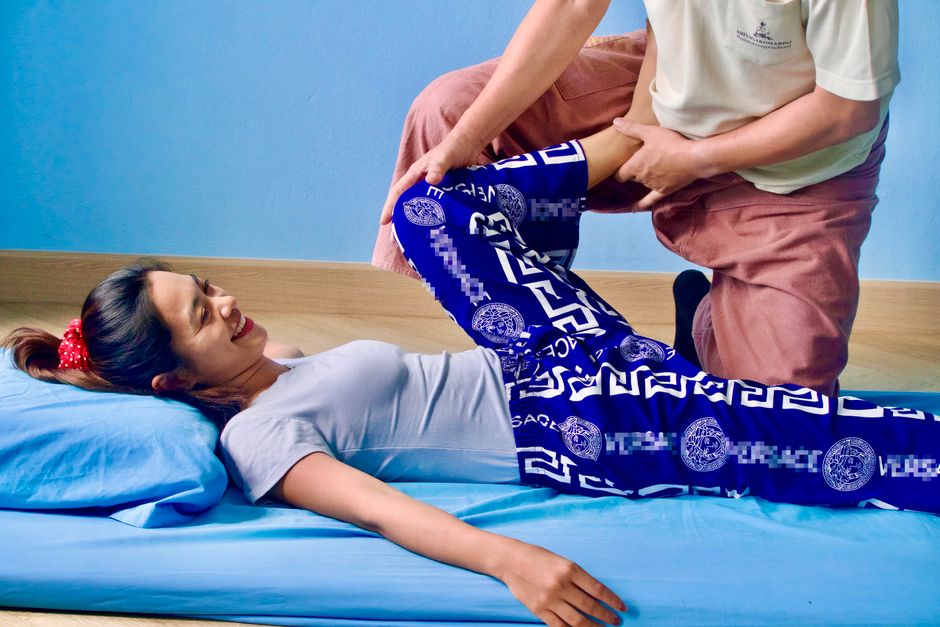
Lower back pain is one of the most common reasons people see a doctor. For many, gentle stretching helps reduce stiffness and makes daily movement easier. The best stretches for lower back pain target the muscles around the spine, hips, and pelvis — areas that often tighten up and pull on the lower back. Stretching will not cure every type of back pain, but it is a proven way to relieve muscle tension and improve flexibility when done consistently and correctly.
Why Stretching Helps Lower Back Pain
Your lower back supports a large portion of your body weight. It also works with your hips and core to help you bend, twist, and stand. When those surrounding muscles get tight, they can restrict motion and cause discomfort.
Stretching helps by lengthening tight muscles and improving blood flow to the area. This can reduce stiffness, especially in the morning or after sitting for long periods. Stretching also helps you identify which movements feel limited, which is useful information for your doctor or physical therapist.
It is important to know what stretching cannot do. If your pain comes from a disc problem, arthritis, or nerve compression, stretching alone will not fix the underlying issue. In those cases, stretching may still help manage symptoms, but it works best alongside other treatments like physical therapy, medication, or strength training.
What Are the Best Stretches for Lower Back Pain?
The most effective stretches for lower back pain are gentle, slow, and do not cause sharp pain. Here are the stretches most commonly recommended by physical therapists and supported by clinical practice.
Child’s Pose
Kneel on the floor with your big toes touching and knees spread about hip-width apart. Sit back toward your heels and extend your arms forward, lowering your chest toward the floor. Hold for 30 seconds while breathing slowly. This stretch lengthens the lower back and hips and is safe for most people with mild to moderate pain.
Knee-to-Chest Stretch
Lie on your back with both knees bent and feet flat on the floor. Bring one knee toward your chest, holding it with both hands. Keep the other foot flat on the floor. Hold for 20 to 30 seconds, then switch sides. This stretch targets the lower back muscles and glutes without putting weight on the spine.
Cat-Cow Stretch
Start on your hands and knees with your wrists directly under your shoulders and knees under your hips. Inhale as you let your belly drop and look slightly up. Exhale as you round your back like a cat, tucking your chin toward your chest. Move slowly between the two positions for about a minute. This stretch improves mobility in the spine and is often recommended for stiffness rather than acute injury.
Piriformis Stretch
The piriformis is a small muscle deep in the buttock that can refer pain into the lower back. Lie on your back with both knees bent. Cross one ankle over the opposite knee, then gently pull the bottom thigh toward your chest. Hold for 30 seconds and switch sides. This stretch is particularly helpful if your back pain is accompanied by buttock or leg discomfort.
Seated Spinal Twist
Sit on the floor with both legs extended. Bend one knee and place that foot flat on the floor on the outside of the opposite knee. Gently twist your torso toward the bent knee, using your opposite elbow to support the rotation. Hold for 20 to 30 seconds, then switch sides. This stretch targets the muscles along the spine but should be avoided if twisting worsens your pain.
How Often Should You Stretch?
Most experts recommend stretching for lower back pain once or twice daily. A single session of 10 to 15 minutes is usually enough. Consistency matters more than intensity — stretching a little every day is more effective than doing a long session once a week.
Hold each stretch for 20 to 30 seconds. Shorter holds do not give the muscle enough time to relax. Longer holds beyond 60 seconds add little benefit for most people and can increase discomfort.
Breathe normally while stretching. Holding your breath tenses the muscles and works against the stretch. Slow, steady breathing helps the muscles relax and allows a deeper stretch without force.





Stretches to Avoid With Lower Back Pain
Not all stretches are helpful for everyone. Some movements can worsen certain types of back pain. The key is to pay attention to how your body responds.
Toe touches are a common culprit. Standing and bending forward to touch your toes places significant strain on the lower back and discs, especially if you have poor hamstring flexibility. If you want to stretch your hamstrings, do it lying on your back with a strap or towel around your foot instead.
Full spinal twists that rotate the lower back aggressively can aggravate disc problems. If twisting causes sharp or shooting pain, stop immediately. Gentler seated twists with limited rotation are safer for most people.
Ballistic or bouncing stretches — where you bounce into a position — are not recommended. They cause small muscle tears and increase inflammation. All stretches should be smooth and controlled.
If a stretch causes sharp pain, numbness, or tingling that radiates down your leg, stop. That type of symptom can indicate nerve involvement and needs professional evaluation.
When Stretching Is Not Enough
Stretching addresses tight muscles, but it does not strengthen them. For many people with recurring lower back pain, weak core and hip muscles are part of the problem. A balanced approach includes both stretching and strengthening exercises.
Simple strengthening moves like bridges, bird dogs, and planks help support the spine. Working with a physical therapist is the best way to get a program tailored to your specific condition. Research consistently shows that exercise therapy — including both stretching and strengthening — is one of the most effective treatments for chronic lower back pain.
You should see a doctor if your pain lasts more than a few weeks, is severe, or follows an injury. You should also seek medical attention if back pain comes with fever, unexplained weight loss, loss of bladder or bowel control, or numbness in the groin area. These symptoms can signal a more serious condition that requires prompt treatment.
How to Make Stretching Part of Your Routine
The hardest part of stretching for back pain is doing it consistently. Pain comes and goes, and motivation often follows the same pattern. Building stretching into an existing habit helps.
Try stretching right after a warm shower, when muscles are warm and more pliable. Or stretch before bed, which can help relax muscles after a long day. Some people find it helpful to stretch first thing in the morning to ease overnight stiffness.
If you sit at a desk for work, set a reminder to stand and stretch every hour. Even 60 seconds of movement breaks up prolonged sitting, which is a known contributor to lower back pain. Regular movement throughout the day is just as important as formal stretching sessions.
Consider combining stretching with light aerobic activity like walking or swimming. Movement increases blood flow and helps keep the spine mobile. A 20-minute walk most days is a realistic goal for most people and supports overall back health.
Frequently Asked Questions
How long should I hold a lower back stretch?
Hold each stretch for 20 to 30 seconds. Shorter holds do not give muscles time to relax, and longer holds add little benefit for most people.
Can stretching make lower back pain worse?
Yes, if you push into sharp pain or use bouncing movements. Stretching should feel like mild tension, never sharp or shooting pain. Stop any stretch that causes numbness or tingling in your legs.
Is it better to stretch or rest a sore lower back?
Gentle movement is usually better than complete rest. Bed rest for more than a day or two can weaken muscles and slow recovery. Light stretching and walking are safe for most types of mechanical back pain.
When should I see a doctor for lower back pain?
See a doctor if pain lasts more than a few weeks, is severe, or follows a fall or injury. Seek immediate care if you have fever, loss of bladder or bowel control, or numbness in the groin area.
