
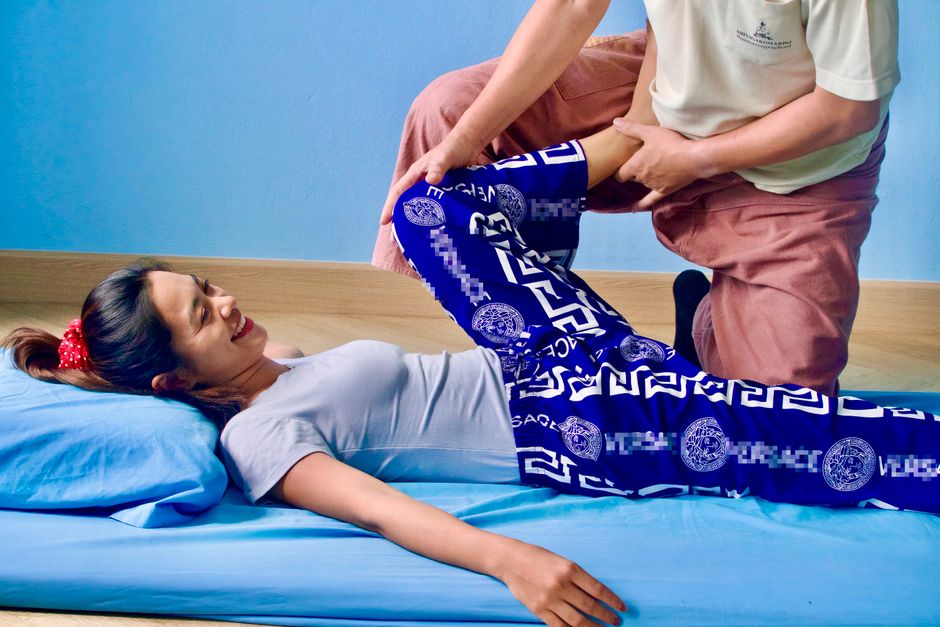
Most lower back pain improves on its own, and gentle stretching is one of the most common things people try. The stretches with the best support are simple ones that move your spine and hips through comfortable ranges: knee-to-chest, pelvic tilts, cat-cow, child’s pose, and gentle hamstring and hip flexor stretches. They help most when done slowly, without forcing, and stopped the moment pain sharpens.
That answer comes with a caveat worth stating up front. Stretching can ease stiffness and calm tense muscles. It is not a proven cure for every kind of back pain, and for some causes it can make things worse. Knowing which stretches fit your situation matters more than doing a long list of them.
Why Does Stretching Help Lower Back Pain at All?
Stretching helps by reducing muscle tension and improving how your spine and hips move. When back muscles stay tight or guarded, movement gets stiff and small. Gentle stretching interrupts that cycle.
Your lower back does not work alone. It shares the load with your hips, pelvis, and abdominal muscles. When your hip flexors or hamstrings are tight, your pelvis tilts in ways that put extra strain on the lower spine. Loosening those areas can take some pressure off the back itself.
There is also a nervous system piece. Pain makes muscles tighten as a protective reflex. Slow, controlled stretching signals to the body that movement is safe, which can reduce that guarding response.
What stretching does not do is repair a herniated disc, reverse arthritis, or fix a structural problem. For those situations, stretching is one part of a broader plan, not a standalone fix. It is also worth knowing that flexibility is not the whole story. Many people with flexible backs still have pain, and many with stiff backs have none. Stretching is a tool, not a measure of back health.
Which Stretches Are Good for Lower Back Pain?
These stretches are widely used and generally well tolerated for common, non-specific lower back pain. Move into each one slowly and hold for a comfortable period. If any stretch increases pain, stop.
- Knee-to-chest: Lie on your back and gently pull one knee toward your chest, then the other, or both together. This eases tension in the lower back and glutes.
- Pelvic tilt: Lie on your back with knees bent. Flatten your lower back against the floor by tightening your belly, hold briefly, then release. This is gentle and often a good starting point.
- Cat-cow: On hands and knees, alternate arching and rounding your spine slowly. This moves the whole spine through a comfortable range.
- Child’s pose: Kneel and sit back toward your heels, reaching your arms forward. This lengthens the lower back and hips.
- Hamstring stretch: Lie on your back and lift one straight leg, or sit and reach gently toward your toes. Tight hamstrings pull on the pelvis and can add strain to the back.
- Hip flexor stretch: In a kneeling lunge, shift your weight forward until you feel a stretch at the front of the hip. Tight hip flexors are common in people who sit a lot.
None of these require special equipment or a gym. A mat on the floor is enough. The goal is gentle, steady movement, not pushing into the deepest possible stretch.
How Do You Stretch Safely Without Making Pain Worse?
Safety comes down to listening to your body and stopping when it signals trouble. A stretch should feel like mild tension, never sharp or shooting pain.
Move slowly and breathe. Holding your breath tightens muscles and works against the stretch. Ease into each position over several seconds rather than bouncing, which can trigger muscle spasms.
Timing matters too. Stretching cold muscles is more likely to cause strain. A few minutes of gentle walking or a warm shower first can help. Some people find stretching most comfortable in the morning, when the back is stiff, while others prefer it after activity.
Stop and seek medical care if you notice any of these:
- Pain that shoots down your leg, especially below the knee
- Numbness, tingling, or weakness in a leg
- Loss of bladder or bowel control
- Pain after a fall or injury
- Fever, unexplained weight loss, or pain that wakes you at night
The last group of symptoms can point to something more serious than a muscle strain. They need prompt medical attention, not a stretching routine.
-
 What Are the Best Stretches for Lower Back Pain? A Quick Explanation
 -
What is the Best Mattress for Lower Back Pain? A Closer Look
-
What Can Cause Lower Back Pain in a Woman? A Closer Look
-
When to See a Doctor for Lower Back Pain? A Closer Look
-
Joint Genesis Reviews 2025. Does Biodynamix Supplement Work





Is Stretching Better Than Other Exercise for Back Pain?
No single exercise has emerged as clearly best for lower back pain. Stretching is one option among several, and the evidence does not crown it as the winner.
Guidelines for persistent lower back pain generally favor staying active and using a mix of approaches rather than any single method. Walking, swimming, and strength work for the core and hips all have support. For many people, the combination of stretching and strengthening works better than stretching alone, because strong muscles support the spine while flexible ones allow it to move.
Some research suggests that for chronic low back pain, exercise in general helps reduce pain and improve function, but the specific type matters less than doing it consistently. That is a useful thing to know, because it means you do not have to find the one perfect stretch. You have to find movement you can keep doing.
There is a practical point here that gets overlooked. Resting in bed for long periods used to be standard advice for back pain. It is now discouraged, because prolonged inactivity tends to make back pain worse, not better. Gentle movement, including stretching, is usually the better path.
When Should You Not Stretch Your Lower Back?
Some back problems get worse with certain stretches. Knowing when to hold back is as important as knowing what to do.
If you have a diagnosed disc problem, some forward-bending stretches can increase pressure and pain. For spinal stenosis, a condition where the spinal canal narrows, bending forward often feels better than arching back, so backward-bending stretches may aggravate symptoms. These patterns vary from person to person, which is why a general list cannot fit everyone.
Acute, severe pain right after an injury is another time to be cautious. In the first day or two, gentle movement is usually fine, but aggressive stretching is not. Let pain be your guide and back off if things worsen.
If you have had spinal surgery, a fracture, or a condition like osteoporosis, check with your doctor or a physical therapist before starting any stretching routine. The same applies if your pain has lasted more than a few weeks or keeps coming back. A physical therapist can assess your specific pattern and tailor stretches to your body rather than a generic list.
The Bottom Line on Stretching for Lower Back Pain
Stretching can be a helpful, low-risk part of managing common lower back pain. It eases stiffness, reduces muscle tension, and supports movement. It is not a cure, and it is not right for every cause of back pain.
Start gently with a few basic stretches. Keep them slow and comfortable. Pair them with walking and light strengthening over time. And pay attention to warning signs that mean you should see a doctor instead of stretching through the pain.
Most people with lower back pain get better, and movement is usually part of that recovery. Stretching is one way to move. It does not have to be the only one.
Frequently Asked Questions
What is the best stretch for lower back pain?
There is no single best stretch, but knee-to-chest and pelvic tilts are common starting points because they are gentle and easy to control. The right one for you depends on what feels comfortable and does not increase your pain.
How often should I stretch my lower back?
Many people stretch once or twice a day, but there is no single schedule that fits everyone. Consistency matters more than frequency, and you should stop if a stretch causes pain.
Can stretching make lower back pain worse?
Yes, certain stretches can worsen pain, especially with conditions like a herniated disc or spinal stenosis. If a stretch increases your pain or sends shooting pain down your leg, stop and check with a doctor.
Should I stretch if my back pain just started?
Gentle movement is usually fine after a recent strain, but aggressive stretching is not advised in the first day or two. Let pain guide you, and see a doctor if the pain is severe or comes with numbness or weakness.
