
Iron is a mineral your body cannot make on its own, so it has to come from food or supplements. The best sources of iron are split into two groups: heme iron, found in meat, poultry, and seafood, and non-heme iron, found in beans, lentils, spinach, fortified cereals, and other plant foods. Heme iron is absorbed more easily, but most people can meet their needs with a mix of both.
Knowing which foods carry the most iron, and what helps or blocks absorption, matters more than most people realize. This guide breaks down where iron comes from, how much you need, and why some sources work better than others.
What Are The Best Sources Of Iron?
The best sources of iron are animal foods that contain heme iron and plant foods that contain non-heme iron. Both count toward your daily intake, but they are not absorbed equally.
Heme iron comes from hemoglobin and myoglobin in animal tissue. Your body absorbs roughly 15 to 35 percent of the heme iron you eat. Non-heme iron, found in plants and fortified foods, is absorbed at a much lower rate, often around 2 to 20 percent depending on what else is in the meal and your body’s current iron status.
That difference does not make plant sources useless. It means vegetarians and vegans generally need to eat more iron-rich plant foods and pay closer attention to absorption.
Top sources by type:
- Heme iron: beef liver, lean beef, chicken, turkey, oysters, clams, sardines, tuna
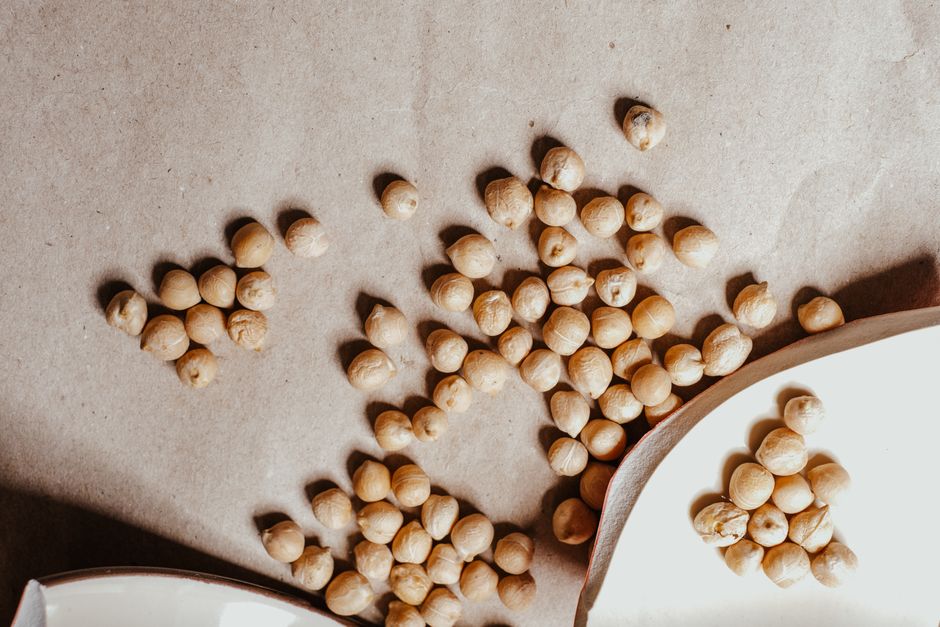
- Non-heme iron: lentils, chickpeas, kidney beans, tofu, spinach, fortified cereals, pumpkin seeds, dark chocolate
Liver deserves a specific mention. Beef liver is one of the most concentrated iron sources available. It is also very high in vitamin A, which is why some health agencies advise limiting liver during pregnancy. That is a real caution, not a marketing point.
How Much Iron Do You Actually Need?
Your iron needs depend on age, sex, and life stage. The numbers below come from established dietary reference intakes used in the United States.
- Adult men (19 to 50): 8 mg per day
- Adult women (19 to 50): 18 mg per day
- Adults 51 and older: 8 mg per day
- Pregnant women: 27 mg per day
Women need more iron during their reproductive years because menstrual blood loss removes iron from the body each month. Pregnancy raises the requirement further because the body is building the fetus’s blood supply and expanding its own.
These are general reference values for healthy people. They are not treatment targets. If you have been diagnosed with iron deficiency or anemia, your clinician will set a different goal based on your blood work.
Why Is Heme Iron Absorbed Better Than Non-Heme Iron?
Heme iron is absorbed more efficiently because it enters your intestinal cells through a dedicated pathway. It arrives packaged inside a ring-shaped molecule called a porphyrin, which your gut can take up directly. Non-heme iron has to be chemically reduced and transported through a different route, and that route is easily blocked or slowed by other compounds in food.
This is not a flaw in plant foods. It is simply how the biology works. The practical takeaway is that a person eating only plant foods may need close to twice the iron that a meat eater needs to absorb the same amount.
Your body also adjusts absorption based on need. If your iron stores are low, you absorb more from the same meal. If your stores are full, you absorb less. This regulation is one reason iron overload is uncommon in healthy people eating normal diets.



What Blocks Iron Absorption?
Several common foods and drinks reduce how much iron you absorb, especially non-heme iron.
- Tea and coffee: Tannins and polyphenols bind iron in the gut. Drinking them with a meal can cut absorption noticeably.
- Calcium: Found in dairy and supplements, calcium competes with iron for absorption when taken at the same time.
- Phytates: Present in whole grains, legumes, and nuts. They bind iron and reduce uptake.
- Certain medications: Antacids and proton pump inhibitors reduce stomach acid, which is needed to release iron from food.
The timing matters more than the food itself. A cup of coffee an hour after a meal affects iron far less than drinking it with the meal. If you take an iron supplement, separating it from coffee, tea, and calcium by a couple of hours is a reasonable habit.
What Helps Your Body Absorb Iron?
Vitamin C is the most reliable absorption booster for non-heme iron. It converts iron into a form your gut can take up more easily. Pairing a plant-based iron source with a vitamin C source is a simple, well-supported strategy.
Examples that work well together:
- Lentil soup with a squeeze of lemon
- Spinach salad with bell peppers
- Fortified cereal with orange juice
- Beans with tomato-based sauce
Eating a small amount of meat alongside plant foods also helps. This is sometimes called the meat factor, and it appears to improve non-heme iron absorption even in modest amounts. Cooking in cast iron cookware can add a small amount of iron to food as well, though the effect varies and is not a substitute for iron-rich foods.
Do You Need Iron Supplements?
Most people do not need iron supplements. The evidence does not support routine supplementation for healthy adults eating a varied diet, and taking iron you do not need can cause side effects like constipation and stomach upset.
Supplements are appropriate when a clinician identifies a deficiency through blood tests. Iron deficiency is diagnosed using measures like ferritin, hemoglobin, and transferrin saturation. Symptoms alone are not enough to confirm it, because fatigue and weakness have many causes.
Self-diagnosing and self-treating with iron is a common mistake. Iron is not harmless in excess. In people with certain genetic conditions, such as hereditary hemochromatosis, extra iron accumulates in organs and causes damage over time. If you suspect a deficiency, get tested before supplementing.
Some clinicians recommend low-dose iron for people with heavy menstrual bleeding or during pregnancy, but that decision should come from your care team, not a general rule.
Can You Get Enough Iron From Plant Foods Alone?
Yes, but it takes planning. Vegetarians and vegans can meet iron needs by eating iron-rich plant foods consistently and pairing them with vitamin C.
Good plant sources include lentils, chickpeas, kidney beans, soybeans, tofu, tempeh, spinach, Swiss chard, pumpkin seeds, sesame seeds, and fortified cereals and breads. Dried fruit like raisins and apricots also contributes iron, though in smaller amounts per serving.
The main challenge is volume. Because plant iron is absorbed less efficiently, plant-based eaters often need to include an iron source at most meals rather than once a day. Regular blood checks are a reasonable way to confirm you are meeting your needs, especially if you are menstruating or pregnant.
Which Foods Have the Most Iron per Serving?
The table below lists approximate iron content for common foods. Values are based on standard nutrient databases and can vary by source, preparation, and brand.
| Food | Typical Serving | Approximate Iron |
|---|---|---|
| Beef liver, cooked | 3 oz | 5-6 mg |
| Clams, cooked | 3 oz | up to 20 mg |
| Lean beef, cooked | 3 oz | 2-3 mg |
| Chicken, dark meat | 3 oz | 1-2 mg |
| Lentils, cooked | 1 cup | 6-7 mg |
| Chickpeas, cooked | 1 cup | 4-5 mg |
| Tofu, firm | 1/2 cup | 3-4 mg |
| Spinach, cooked | 1 cup | 6 mg |
| Fortified cereal | 1 serving | varies widely, often 4-18 mg |
| Pumpkin seeds | 1 oz | 2-3 mg |
Clams and liver stand out, but they are not everyday foods for most people. Lentils, beans, tofu, and fortified cereals do more of the daily work in a typical diet.
One clarification worth making: spinach is often called a top iron source, and it does contain iron, but it also contains oxalates that bind some of it. Spinach is still worth eating, but it is not the absorption powerhouse some people assume.
How Do You Know If You Are Getting Enough?
You cannot reliably feel whether your iron intake is adequate. Mild deficiency often causes no obvious symptoms, and the symptoms it does cause, like fatigue and pale skin, overlap with many other conditions.
Blood tests are the only reliable way to know. A ferritin level reflects your stored iron, and hemoglobin shows whether low iron has progressed to anemia. If you are in a group with higher iron needs, such as menstruating women, pregnant women, or people with digestive conditions that reduce absorption, periodic testing is reasonable.
If your levels are low, the fix is not always more iron-rich food. Sometimes the issue is absorption, blood loss, or an underlying condition that needs its own treatment. Food is part of the picture, not the whole picture.
Frequently Asked Questions
What food has the highest iron?
Clams and beef liver are among the most concentrated sources, with clams providing up to about 20 mg of iron per 3-ounce cooked serving. Both are heme iron sources, which the body absorbs more easily than plant iron.
Is spinach a good source of iron?
Spinach does contain iron, roughly 6 mg per cooked cup, but it also contains oxalates that reduce how much your body absorbs. It is a useful source but not the most efficient one.
How can vegetarians get enough iron?
Vegetarians can meet iron needs by eating iron-rich plant foods like lentils, beans, tofu, and fortified cereals at most meals and pairing them with vitamin C. Because plant iron is absorbed less efficiently, intake usually needs to be higher than for meat eaters.
Does coffee block iron absorption?
Yes, coffee and tea contain compounds that bind iron and reduce absorption when consumed with a meal. Waiting an hour or two after eating before drinking them limits the effect.
