
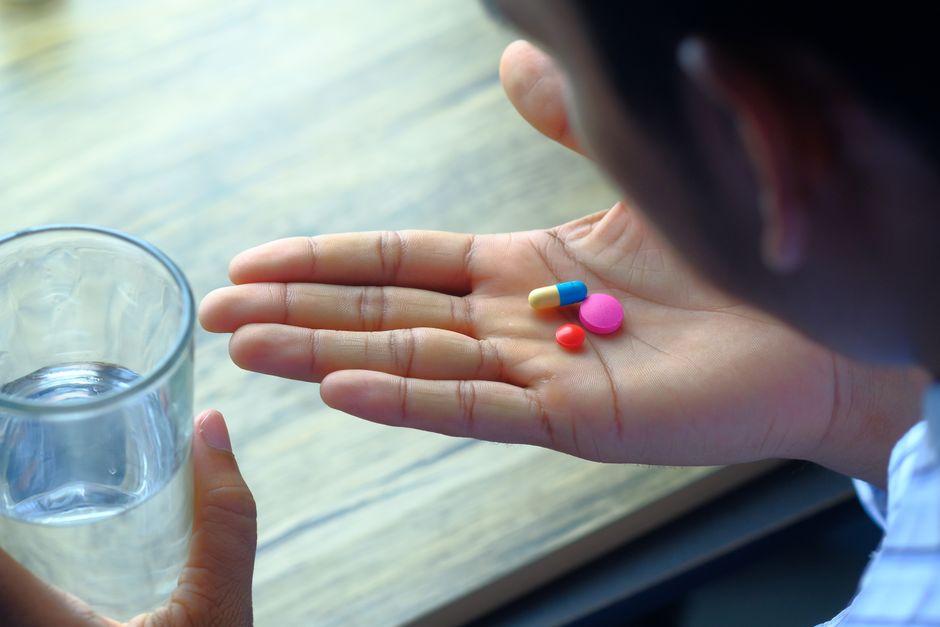
Iron tablets are typically taken on an empty stomach, about one hour before meals or two hours after meals, because food can reduce how much iron your body absorbs. However, many people experience stomach upset when they do this. Taking iron with a small amount of food, especially food containing vitamin C, is a common and acceptable alternative that balances absorption with comfort. What you can expect in the first few weeks includes possible digestive changes, darker stools, and a gradual improvement in energy levels if you were deficient.
When Take Iron Tablets for Best Absorption
Your body absorbs iron best when your stomach is empty. This usually means taking the tablet at least one hour before a meal or two hours after a meal. Water or a glass of orange juice works well as the liquid to swallow the tablet.
Vitamin C is the most reliable helper for iron absorption. A glass of orange juice, a small serving of strawberries, or a side of broccoli with your iron tablet can increase how much iron actually reaches your bloodstream. Some research suggests this effect is meaningful, especially for people who struggle to raise their iron levels.
Several common foods and drinks block iron absorption. Coffee, tea, and red wine contain tannins that bind to iron and reduce absorption. Dairy products contain calcium, which competes with iron for absorption. If you take iron with these, expect less benefit from the same dose. Wait at least two hours after consuming them before taking your iron tablet.
What to Expect in the First Week
Digestive changes are the most common early side effects. Nausea, constipation, and stomach cramps affect a significant number of people who start iron supplements. These symptoms often improve within a week or two as your body adjusts. If nausea is severe, taking the tablet with a small amount of food can help, even though it slightly reduces absorption.
Your stool will likely turn dark green or black. This is completely normal and harmless. The color comes from unabsorbed iron passing through your digestive tract. Many people worry about this at first, but it is a sign that some iron is passing through unused, not that something is wrong.
Do not take iron tablets with antacids or medications for acid reflux. These reduce stomach acid, which your body needs to absorb iron properly. If you take these medications regularly, talk to your clinician about the best timing for your iron supplement. Sometimes taking iron at a different time of day solves the problem.
When to Expect Your Energy to Improve
Iron does not work like a pain reliever. It does not produce an immediate effect. Your body needs time to absorb the iron, transport it to your bone marrow, and build new red blood cells. Most people notice improved energy within two to four weeks of consistent daily supplementation.
Your blood tests will change faster than your symptoms. Hemoglobin levels often begin to rise within one to two weeks. Full correction of iron deficiency typically takes two to three months of consistent supplementation. Your clinician will likely recheck your blood after about eight to twelve weeks to confirm your levels have returned to normal.
Feeling no change in the first week is normal. Iron deficiency develops over months, and reversing it takes time. If you have taken iron consistently for four weeks and feel no different, contact your clinician. They may need to adjust your dose or investigate other causes of your fatigue.
How Long Should You Keep Taking Iron Tablets
Continue taking iron tablets for as long as your clinician recommends. Many people stop too early because they feel better, but stopping before your iron stores are restored means the deficiency will return. Iron stores, measured by ferritin, take longer to rebuild than hemoglobin.
A common treatment course lasts three to six months. After that, your clinician will likely recheck your blood. If your levels have normalized, you may be able to stop. If the underlying cause of your deficiency is still present, you may need to continue longer or take a lower maintenance dose.
Do not stop taking iron tablets without checking with your clinician first. Stopping early is one of the most common reasons iron deficiency comes back. Your blood tests, not your symptoms, should guide when to stop.
What If Iron Tablets Upset Your Stomach
Stomach upset is the main reason people stop taking iron. If your current iron tablet causes significant nausea or cramping, several options exist. Taking the tablet with a small amount of food is the simplest change. Even a few crackers or a half slice of bread can reduce stomach irritation.
Iron comes in different forms. Ferrous sulfate is the most common and usually the least expensive, but it is also the most likely to cause digestive side effects. Ferrous gluconate and ferrous fumarate are alternatives that some people tolerate better. Your clinician or pharmacist can help you switch if needed.
Slow-release and enteric-coated iron tablets are designed to reduce stomach upset by releasing iron gradually. The trade-off is that these forms are often absorbed less efficiently. Some research indicates that lower doses taken more frequently cause fewer side effects than one large dose. For example, taking a smaller dose every other day may work better for some people than a large dose daily.
Never double your dose to make up for a missed tablet. Taking too much iron is dangerous and can cause serious health problems. If you miss a dose, just take your next scheduled dose normally. If you accidentally take too much iron, contact a poison control center immediately.
Iron Tablets and Other Medications
Iron interacts with several common medications. Thyroid medication, antibiotics, and medications for Parkinson’s disease all absorb less effectively when taken with iron. Separate these medications from your iron tablet by at least two hours.
Iron also interferes with certain antibiotics, particularly tetracyclines and fluoroquinolones. This interaction reduces the effectiveness of both the antibiotic and the iron. Your pharmacist can tell you the exact timing you need for your specific medications.
If you take multiple medications daily, ask your clinician or pharmacist to review your complete list. They can create a schedule that keeps all your medications working properly. Taking iron at bedtime, for example, may separate it from morning medications while still keeping your stomach empty.
What to Expect From Your Follow-Up Blood Tests
Your clinician will order follow-up blood tests to confirm the iron is working. The most common tests are hemoglobin, which measures red blood cells, and ferritin, which measures your iron stores. Both need to return to normal ranges before you stop treatment.
Hemoglobin normalizes faster than ferritin. You might see your hemoglobin return to normal in six to eight weeks while your ferritin remains low. This is normal. Your clinician will likely continue your iron supplement until both values are within normal range.
If your iron levels do not improve after several months of consistent supplementation, your clinician may investigate other causes. Poor absorption, ongoing blood loss, or a different medical condition can all prevent iron levels from rising. Additional testing may be needed to find the underlying reason.
Frequently Asked Questions
Can I take iron tablets with food?
Yes, taking iron with a small amount of food can reduce stomach upset, but it will also reduce absorption slightly. Vitamin C-rich foods like oranges or tomatoes can help offset this reduction.
How long does it take for iron tablets to work?
Most people notice improved energy within two to four weeks of daily supplementation. Blood tests often show improvement in hemoglobin within one to two weeks.
Why are my stools dark when taking iron?
Dark green or black stools are a normal and harmless side effect of iron supplements. The color comes from unabsorbed iron passing through your digestive tract.
Can I take iron tablets with coffee or tea?
Coffee and tea contain tannins that reduce iron absorption, so it is best to avoid them within two hours of taking your iron tablet. Water or orange juice are better choices.
