
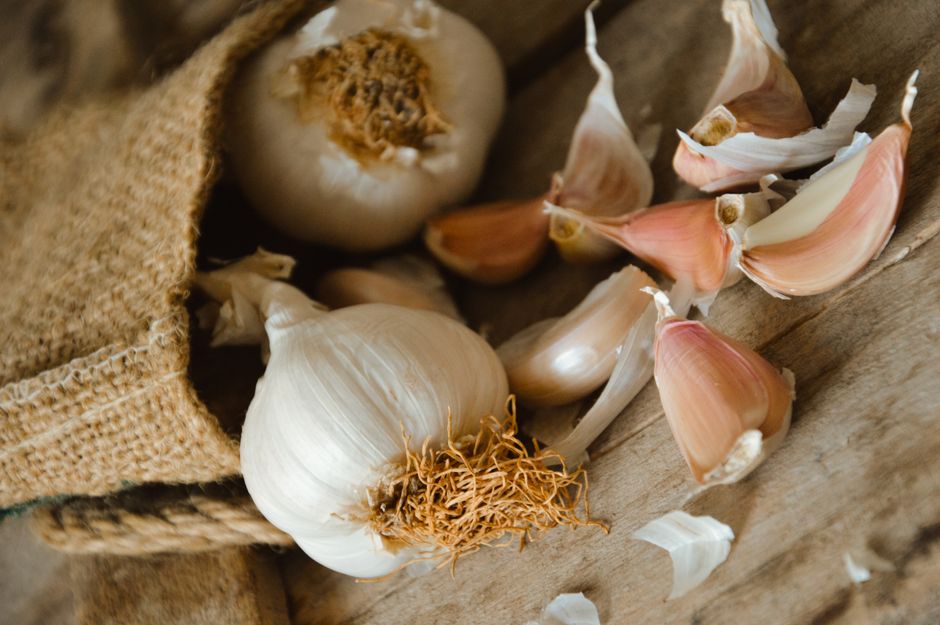
Garlic powder is not bad for you. In fact, it offers many of the same health benefits as fresh garlic, including supporting heart health and providing antioxidants. The risks are minimal for most people, mainly involving digestive discomfort if you eat too much. The main concern is knowing the difference between pure garlic powder and garlic salt, which is high in sodium. For nearly everyone, using garlic powder in normal cooking amounts is a healthy and convenient choice.
What Is Garlic Powder Exactly?
Garlic powder is simply dehydrated garlic cloves that have been ground into a fine powder. The process removes the water but keeps most of the beneficial compounds. The key compound in garlic, allicin, is what gives fresh garlic its strong smell and many health effects. But garlic powder is different because it is already dried.
When garlic is dried, the allicin breaks down into other sulfur compounds. Research published in the Journal of Agricultural and Food Chemistry found that these breakdown products still have strong antioxidant activity. So while the chemistry changes, the health value does not disappear. You are still getting a concentrated source of garlic’s active components.
One important thing to know is that garlic powder is not the same as garlic salt. Garlic salt is garlic powder mixed with salt. Many people buy garlic salt thinking it is the same thing. It is not. Garlic salt is mostly salt, with a small amount of garlic powder added for flavor.
Is Garlic Powder Bad For You Benefits And Risks Compared to Fresh Garlic?
Fresh garlic has a slight edge over powder in one area. Fresh garlic contains an enzyme called alliinase that helps form allicin when the clove is crushed. This enzyme is mostly destroyed during the drying process. So garlic powder has less allicin-forming potential than fresh garlic.
But that does not make garlic powder useless. The sulfur compounds that remain in garlic powder still provide real benefits. A study in the journal Food Chemistry showed that dried garlic still has strong antibacterial effects. It also retains the antioxidant flavonoid compounds found in fresh garlic.
For everyday cooking, garlic powder is actually more consistent. Fresh garlic varies in potency based on age and storage. Garlic powder gives a predictable flavor and benefit every time. The difference in health effects between fresh and powdered garlic is small enough that most people do not need to worry about it.
What Does Research Show About Garlic Powder’s Health Benefits?
Research shows that garlic powder can support heart health in several ways. A meta-analysis published in the Journal of Nutrition found that garlic powder supplements helped lower total cholesterol by about 10-12 mg/dL in people with high cholesterol. The effect was modest but real. The same analysis found a small reduction in blood pressure, around 5-8 mmHg systolic.
The antioxidant content of garlic powder is well documented. The sulfur compounds in garlic powder help the body produce glutathione, which is one of the body’s main antioxidant defenses. The American Institute for Cancer Research notes that garlic in any form, including powder, is associated with a lower risk of certain cancers, particularly stomach and colorectal cancers. The evidence is strong enough that they recommend including garlic regularly.
Garlic powder also has antimicrobial properties. Studies have shown it can inhibit the growth of certain bacteria and fungi. This is why garlic has been used as a food preservative for centuries. The effect is not strong enough to replace medical treatment, but it does support the immune system in a general way.




What Are the Risks and Side Effects of Garlic Powder?
The most common side effect of garlic powder is digestive discomfort. Some people experience heartburn, gas, or bloating when they eat too much. This is more likely with garlic powder than fresh garlic because the powder is more concentrated. If you are not used to eating garlic, start with small amounts.
Blood thinning is a real concern with very high doses. Garlic in any form can slow blood clotting. The National Center for Complementary and Integrative Health advises that people on blood thinning medications like warfarin should be cautious with garlic supplements. Normal cooking amounts are generally safe, but if you are taking blood thinners, check with your doctor before using garlic powder regularly in large amounts.
Allergic reactions to garlic are rare but possible. Symptoms can include skin rash, hives, or digestive upset. If you have a known allergy to onions or other allium vegetables, you may react to garlic powder as well. This is uncommon, but worth knowing.
| Concern | Garlic Powder | Fresh Garlic |
|---|---|---|
| Allicin content | Lower (enzyme destroyed) | Higher (enzyme intact) |
| Antioxidant activity | Strong | Strong |
| Convenience | High | Lower |
| Sodium content | Low (pure powder) | Very low |
| Digestive side effects | Possible with high doses | Possible with high doses |
| Blood thinning risk | Only at supplement doses | Only at supplement doses |
How to Choose and Use Garlic Powder Safely
Always check the label. Look for “garlic powder” as the only ingredient. If the label says “garlic salt” or contains added salt, you are buying something different. Garlic salt is typically 3 parts salt to 1 part garlic powder. Using garlic salt in place of garlic powder adds a significant amount of sodium to your food.
Store garlic powder in a cool, dark place. Light and heat degrade the beneficial compounds over time. A sealed container in a cabinet away from the stove is ideal. Garlic powder does not go bad in a way that makes you sick, but it loses potency after about six months to a year.
Use about one teaspoon of garlic powder to replace two cloves of fresh garlic in recipes. This gives a similar flavor intensity. For health benefits, using garlic powder regularly in your cooking is more important than using large amounts occasionally. Consistency matters more than quantity.
- Choose pure garlic powder, not garlic salt
- Store in a sealed container away from heat and light
- Replace 2 fresh cloves with 1 teaspoon of powder
- Start with small amounts if you are sensitive to garlic
- Talk to your doctor if you take blood thinning medication
Common Misconceptions About Garlic Powder
Some people believe garlic powder has no health value because it is processed. This is not accurate. Dehydration is a gentle process that preserves many of the beneficial compounds. The loss of allicin is real, but the remaining sulfur compounds still provide antioxidant and anti-inflammatory benefits. Processed does not mean worthless.
Another misconception is that garlic powder is just a flavor substitute with no real effects. This is also wrong. The same compounds that give garlic its taste are the ones that provide health benefits. You cannot separate the flavor from the function. When you taste garlic powder, you are tasting the very compounds that support your health.
There is also a belief that more garlic powder is always better. This is not true. Higher doses increase the risk of digestive upset and can interfere with medication. More is not better. Consistent moderate use is the evidence-based approach.
Frequently Asked Questions
Is garlic powder as healthy as fresh garlic?
Close but not identical. Fresh garlic has more allicin-forming potential, but garlic powder retains strong antioxidant and antimicrobial benefits from other sulfur compounds.
Can garlic powder cause high blood pressure?
No, pure garlic powder does not cause high blood pressure. Garlic salt can contribute to high blood pressure because of the added sodium.
How much garlic powder is safe per day?
One to two teaspoons per day from cooking is safe for most people. Supplement doses of 600-1200 mg daily are used in studies but should be discussed with a doctor.
Does garlic powder lose its benefits when cooked?
Some loss occurs with high heat, but the majority of beneficial compounds remain stable during normal cooking. Adding garlic powder near the end of cooking preserves more of the active compounds.
