
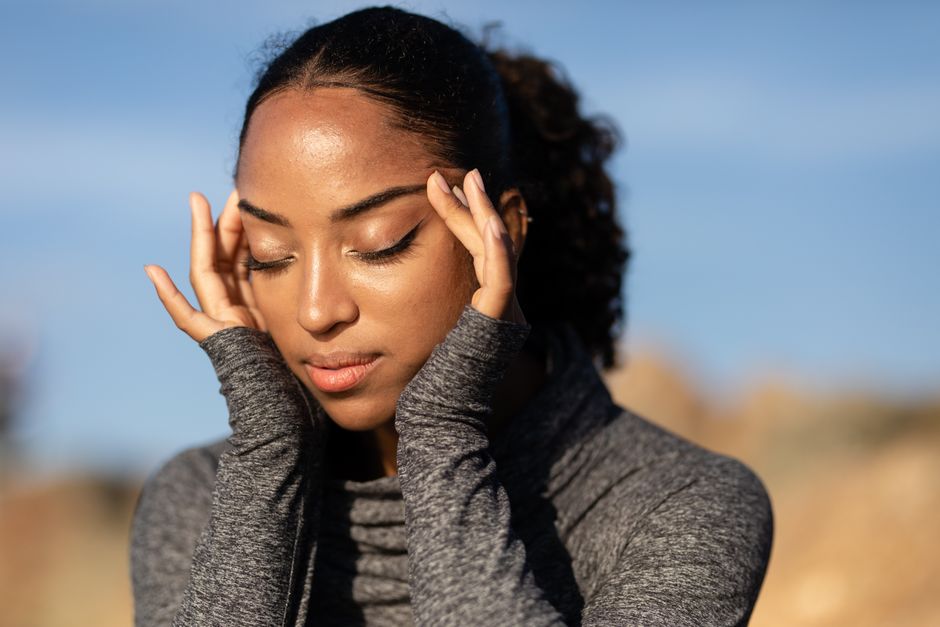
Stress symptoms show up in three main areas: your body, your mood, and your behavior. Physical signs include headaches, tense muscles, and trouble sleeping. Mood changes include irritability, anxiety, and feeling overwhelmed. Behavior changes include eating more or less, withdrawing from people, and snapping at loved ones. These are not separate problems. They are different faces of the same stress response.
Stress itself is not a disease. It is your body’s built-in alarm system. When your brain senses a threat, it releases hormones that prepare you to act fast. That system is useful in short bursts. It becomes a problem when it stays switched on.
What Are Stress Symptoms Body Mood Behavior?
The three categories overlap because they come from the same source: the stress response. Understanding how each one works helps you recognize what is happening before it builds up.
Your body reacts first. The hypothalamus, a small region at the base of your brain, signals your adrenal glands to release hormones including adrenaline and cortisol. Adrenaline raises your heart rate and blood pressure within seconds. Cortisol keeps blood sugar available for fuel and helps the body sustain alertness. This is the classic fight-or-flight response.
Your mood reacts next. The same hormones and brain pathways that prepare your body for action also affect emotion and thinking. Cortisol and adrenaline can make it harder to concentrate and easier to feel on edge. Over time, repeated activation of this system is linked to changes in mood and sleep.
Your behavior changes last, and often you notice it in yourself before anyone else does. You might skip meals, drink more caffeine, or stop answering texts. These are not character flaws. They are common responses to a nervous system that feels overloaded.
What Are the Physical Symptoms of Stress?
Physical stress symptoms are real sensations caused by real physiology, not imagination. They vary from person to person, but several patterns are well documented.
Common physical symptoms include:
- Headaches, often tension-type
- Muscle tension, especially in the neck, shoulders, and jaw
- Chest tightness or a pounding heartbeat
- Fatigue that does not improve with rest
- Stomach upset, nausea, or changes in digestion
- Trouble falling asleep or staying asleep
- Changes in appetite
- Lowered interest in sex
These symptoms happen because the stress response diverts resources. Digestion slows. Muscles tighten. Heart rate climbs. When stress is short-lived, everything returns to baseline. When it persists, the body stays in a partially activated state, and those sensations become more frequent.
One detail worth knowing: the link between stress and conditions like heart disease or high blood pressure is not simple. Research consistently shows an association between chronic stress and cardiovascular risk, but stress usually works alongside other factors such as sleep, diet, smoking, and genetics. It is a contributor, not the sole cause.
How Does Stress Affect Your Mood and Emotions?
Stress changes mood in predictable ways. The most common emotional symptoms are irritability, anxiety, and a sense of being overwhelmed. You may feel restless, sad, or emotionally flat. Small problems can feel larger than they are.
These mood shifts are not a sign of weakness. The same brain regions involved in the stress response, including the amygdala and prefrontal cortex, also help regulate emotion and decision-making. Under sustained stress, that regulation becomes harder.
Some people notice they cry more easily. Others notice they feel numb. Both are reported responses. Neither one tells you whether your stress is “serious” or not.
It is also worth separating short-term stress from long-term stress. A stressful week can leave you irritable and tired. Months of unrelenting stress is linked to a higher risk of anxiety and depression. That does not mean stress causes these conditions in everyone. It means chronic stress is a known risk factor, and it is one that can be addressed.





What Behavioral Changes Does Stress Cause?
Behavior often reveals stress before you consciously feel it. The changes tend to fall into a few recognizable patterns.
Common behavioral symptoms include:
- Eating more or less than usual
- Increased use of alcohol, tobacco, or other substances
- Withdrawing from friends and family
- Procrastinating or struggling to start tasks
- Snapping at people or having more arguments
- Nail biting, pacing, or other nervous habits
- Reduced exercise or, in some people, compulsive over-exercise
- Neglecting responsibilities that used to feel manageable
These behaviors can create a loop. Poor sleep makes stress harder to handle. Drinking alcohol to relax disrupts sleep. Skipping meals affects blood sugar and mood. Over time, the behavior becomes part of the problem rather than a response to it.
This is where stress symptoms body mood behavior connect most clearly. A physical symptom like poor sleep feeds a mood symptom like irritability, which feeds a behavior like withdrawing from people, which increases isolation and stress.
How Can You Tell Normal Stress From Something More Serious?
Everyone experiences stress. The difference between ordinary stress and a problem worth addressing usually comes down to duration, intensity, and how much it interferes with daily life.
Signs that stress may need more attention:
- Symptoms that last for weeks or months without easing
- Difficulty functioning at work, school, or home
- Sleep problems that persist most nights
- Using alcohol or drugs to cope
- Feeling hopeless or having thoughts of self-harm
If you are having thoughts of harming yourself, that is a medical emergency. In the US, you can call or text 988 to reach the Suicide and Crisis Lifeline.
It is also important to know that some physical symptoms of stress overlap with symptoms of medical conditions. Chest pain, shortness of breath, and persistent fatigue can have causes unrelated to stress. Do not assume stress is the explanation. Get symptoms like these checked by a clinician.
What Helps Reduce Stress Symptoms?
There is no single fix, and no approach works for everyone. That said, several strategies have reasonable evidence behind them for reducing stress and its symptoms.
Sleep is foundational. Most adults need seven or more hours per night according to general sleep recommendations. Poor sleep amplifies nearly every other stress symptom.
Physical activity has consistent evidence for reducing anxiety and improving mood. It does not need to be intense. Walking counts.
Slow breathing can shift the nervous system toward a calmer state within minutes. Techniques like breathing in for a count of four and out for a count of six are commonly taught. The effect is real but temporary, so it works best as one tool among several.
Talking to someone helps. That could be a friend, a counselor, or a therapist. Therapy approaches such as cognitive behavioral therapy have solid evidence for stress, anxiety, and related conditions.
Limiting alcohol and caffeine often reduces symptoms, though the effect varies. Both can disrupt sleep and mimic or worsen anxiety symptoms.
What does not have strong evidence: most supplements marketed for stress. Some, like ashwagandha, have small studies showing possible benefit, but the evidence is not strong enough to call them proven. No supplement is a substitute for sleep, movement, and support.
If stress symptoms are interfering with your life despite your efforts, talking to a doctor or mental health professional is a reasonable next step. Some clinicians recommend a combination of lifestyle changes and therapy. Medication may be appropriate for some people, particularly when anxiety or depression is involved. That decision is individual and belongs with a qualified clinician.
Why Do Stress Symptoms Differ From Person to Person?
Two people can face the same situation and have completely different symptoms. Several factors explain this.
Genetics influence how sensitive your stress response is. Early life experiences shape how your nervous system learned to respond to threat. Ongoing circumstances matter too, including work, finances, caregiving, and health. People with a history of trauma often have a more reactive stress system.
Personality and coping style also play a role. Some people tend to internalize stress and notice mood symptoms first. Others externalize it and notice behavior changes. Neither pattern is better or worse. They are just different routes to the same underlying response.
This is one reason generic stress advice sometimes falls flat. The symptom you notice most is often the best place to start.
Frequently Asked Questions
What are the most common stress symptoms?
The most common symptoms are headaches, muscle tension, trouble sleeping, irritability, anxiety, and changes in appetite or social behavior. Most people notice symptoms in more than one of these areas at the same time.
Can stress cause physical symptoms even when I feel fine emotionally?
Yes. The body’s stress response can activate without you consciously feeling anxious or upset. Headaches, muscle tension, and digestive changes are common examples.
How long do stress symptoms usually last?
Short-term stress symptoms typically ease once the stressful situation passes. Symptoms that persist for weeks or months may point to chronic stress and are worth discussing with a doctor or mental health professional.
When should I see a doctor about stress symptoms?
See a doctor if symptoms interfere with daily life, last for weeks, disrupt sleep most nights, or if you are using alcohol or drugs to cope. Chest pain and shortness of breath should always be evaluated promptly.
