
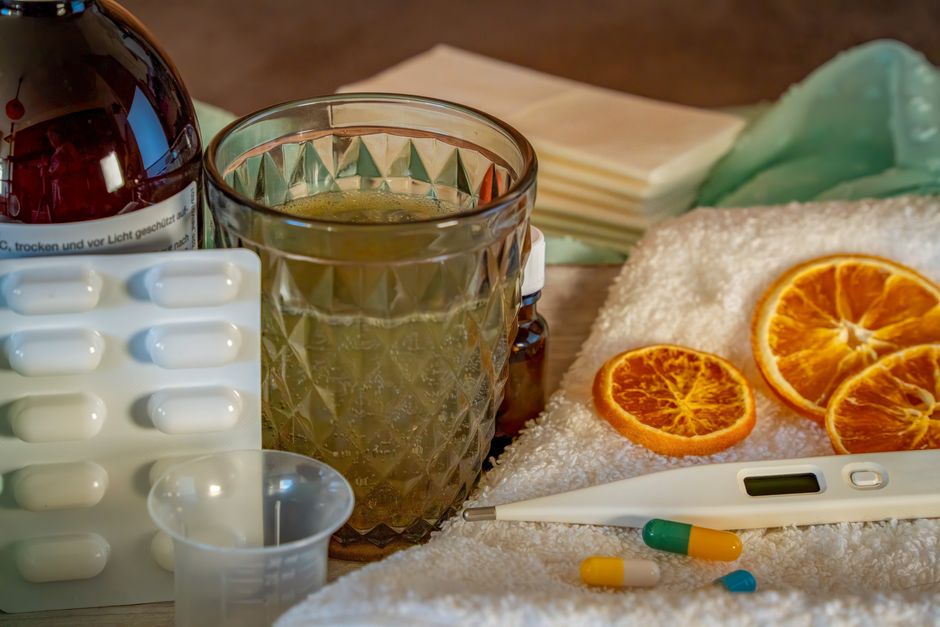
Strep throat is a bacterial infection caused by group A Streptococcus that makes your throat sore and scratchy. The most telling signs are a sudden, severe sore throat without a cough, along with a fever, and swollen lymph nodes in your neck. You may also see white patches or pus on your tonsils, and tiny red spots on the roof of your mouth.
What Are Signs Of Strep Throat
Strep throat starts fast. One minute you feel fine, and a few hours later your throat hurts badly enough that swallowing is painful. This sudden onset is one of the clearest clues that it might be strep rather than a virus.
The classic signs include a fever above 100.4°F, red and swollen tonsils, and sometimes white patches or streaks of pus on the tonsils. Your lymph nodes at the front of your neck may feel tender and enlarged. Some people also get small red spots on the roof of the mouth, called petechiae. These look like tiny bruises and are a specific sign of strep.
What you do not see matters just as much. Strep throat typically does not cause a cough, runny nose, or hoarse voice. Those symptoms point more toward a viral infection. If you have a cough and a sore throat, strep is less likely.
How Does Strep Throat Differ From A Viral Sore Throat
Most sore throats are viral. About 20 to 30 percent of sore throats in children and about 5 to 15 percent in adults are actually strep. Telling the difference matters because strep needs antibiotics, while viral infections do not respond to them.
Viral sore throats usually come on gradually and often accompany other cold symptoms. You might have a runny nose, congestion, cough, or watery eyes. The throat pain may be mild to moderate, and you typically do not have a high fever.
Strep, on the other hand, hits suddenly and hard. The pain is often severe, the fever is higher, and you rarely have cough or congestion. The tonsils look angry and swollen, and swallowing can be genuinely painful. A headache and stomach pain are also common with strep, especially in children.
There is one more difference worth knowing. A virus usually runs its course in a few days. Strep does not improve on its own in the same way and can actually get worse without treatment. If your sore throat lasts more than a couple of days and keeps hurting, that is a reason to get tested.
How Is Strep Throat Diagnosed
Doctors do not diagnose strep by looking at your throat alone. The appearance can overlap with viral infections, so a clinical exam is not enough. The standard approach is a rapid antigen test, often called a rapid strep test, followed by a throat culture if needed.
The rapid test involves swabbing the back of your throat and tonsils. Results come back in about 10 to 15 minutes. This test is highly specific, meaning if it is positive, you almost certainly have strep. However, it can miss some cases, so a negative result does not completely rule out strep.
When the rapid test is negative but your symptoms strongly suggest strep, a doctor may send the swab for a throat culture. The culture takes 24 to 48 hours to grow, but it is more accurate. It catches most infections that the rapid test misses.
You do not need a test for every sore throat. If you have mild symptoms and a cough, a virus is more likely, and testing is usually unnecessary. Testing makes sense when symptoms clearly point to strep or when someone in your household has confirmed strep.





When Should You See A Doctor
You should see a doctor if your sore throat is severe, lasts more than two days, or comes with a fever above 101°F. Difficulty swallowing or breathing, drooling in a child, or a rash are also reasons to seek care promptly.
Some symptoms signal an emergency. If you cannot swallow liquids, have trouble breathing, or your voice becomes muffled, get medical help right away. These can be signs of a more serious infection, such as a peritonsillar abscess, which is a collection of pus behind the tonsils.
Do not wait to see if strep clears on its own. Untreated strep can lead to complications, including rheumatic fever, which can damage heart valves. This complication is now rare in the United States, but it still happens. Treating strep with antibiotics within the first week essentially eliminates the risk.
Another complication is post-streptococcal glomerulonephritis, a kidney condition that can develop after a strep infection. Unlike rheumatic fever, antibiotics do not prevent this one. It is uncommon, but it is another reason to take a persistent sore throat seriously.
Why Antibiotics Are Prescribed For Strep
Antibiotics for strep serve three purposes. They shorten the illness, reduce how long you are contagious, and prevent serious complications. Penicillin or amoxicillin are the standard first-line treatments, and they have been for decades because strep remains fully susceptible to them.
You typically start feeling better within 24 to 48 hours of starting antibiotics. That does not mean the infection is gone. You must finish the entire course, usually 10 days, even if you feel fine. Stopping early can leave bacteria behind and increase the risk of complications.
You are contagious until you have been on antibiotics for at least 24 hours. Before that, you can spread the bacteria through respiratory droplets when you cough, sneeze, or talk. After 24 hours of antibiotics, you are generally no longer contagious and can return to work or school.
If you do not take antibiotics, you remain contagious for up to two to three weeks, even if your symptoms improve. That is a long time to be spreading bacteria to family members and coworkers. This is one reason treatment is recommended, not just for your own recovery but for everyone around you.
Can Strep Throat Go Away Without Antibiotics
Yes, strep throat can resolve on its own without antibiotics. The body’s immune system can clear the infection in about a week or so. But this is not the recommended path, and there are good reasons why.
Without antibiotics, you stay contagious longer, and the risk of complications increases. Rheumatic fever, while rare, is a serious consequence that antibiotics prevent. The infection can also spread to other parts of your body, such as your ears, sinuses, or tonsils, forming an abscess.
Pain relievers like ibuprofen or acetaminophen can help with fever and throat pain, but they do not treat the infection. Warm salt water gargles, throat lozenges, and plenty of fluids can make you more comfortable. These measures are supportive, not curative.
If you choose not to take antibiotics, you should understand that you are taking on a small but real risk of complications. The decision is yours, but the medical evidence clearly supports antibiotic treatment for confirmed strep.
How To Prevent Spreading Strep Throat
Strep spreads through respiratory droplets. When someone who is infected coughs or sneezes, tiny droplets carry the bacteria into the air. You can also pick it up by touching a surface with droplets on it and then touching your mouth, nose, or eyes.
Good hand hygiene is the most effective prevention. Wash your hands with soap and water for at least 20 seconds, especially after being in public places. Hand sanitizer with at least 60 percent alcohol works when soap and water are not available.
Do not share food, drinks, utensils, or personal items like toothbrushes. This is a common way strep spreads within households. If someone in your home has strep, keep their eating utensils and drinking glasses separate, and wash them in hot, soapy water.
Cover your mouth and nose when you cough or sneeze, ideally with a tissue or your elbow. Dispose of used tissues immediately. If you have strep, stay home from work or school until you have been on antibiotics for a full 24 hours.
When Can You Return To Work Or School
The rule is simple: you need to be on antibiotics for at least 24 hours before returning to work or school. After that point, you are no longer considered contagious, and you can resume normal activities if you feel well enough.
If you choose not to take antibiotics, you should stay home until your fever is gone and you feel better. This typically takes several days, and you remain potentially contagious for up to two to three weeks. That is a long time to stay home, which is another practical reason to consider antibiotic treatment.
Some schools and workplaces have specific policies about returning after a strep infection. Check with them if you are unsure. The 24-hour rule is the standard medical guidance, but individual policies can vary.
Frequently Asked Questions
Can you have strep throat without a fever?
Yes, you can. A fever is common with strep, but not everyone gets one, especially adults. The absence of a fever does not rule out strep if other signs like severe throat pain and swollen lymph nodes are present.
How long does strep throat last without antibiotics?
Strep throat typically resolves on its own in about one week without antibiotics. However, you remain contagious for up to two to three weeks, and the risk of complications is higher without treatment.
Is strep throat contagious through the air?
Yes, strep spreads through respiratory droplets when an infected person coughs or sneezes. You can also catch it by touching contaminated surfaces and then touching your face.
Can you get strep throat twice in one month?
Yes, it is possible. Having strep once does not give you lasting immunity, so you can get it again. If symptoms return shortly after finishing antibiotics, see a doctor, as a different strain may be involved.
