
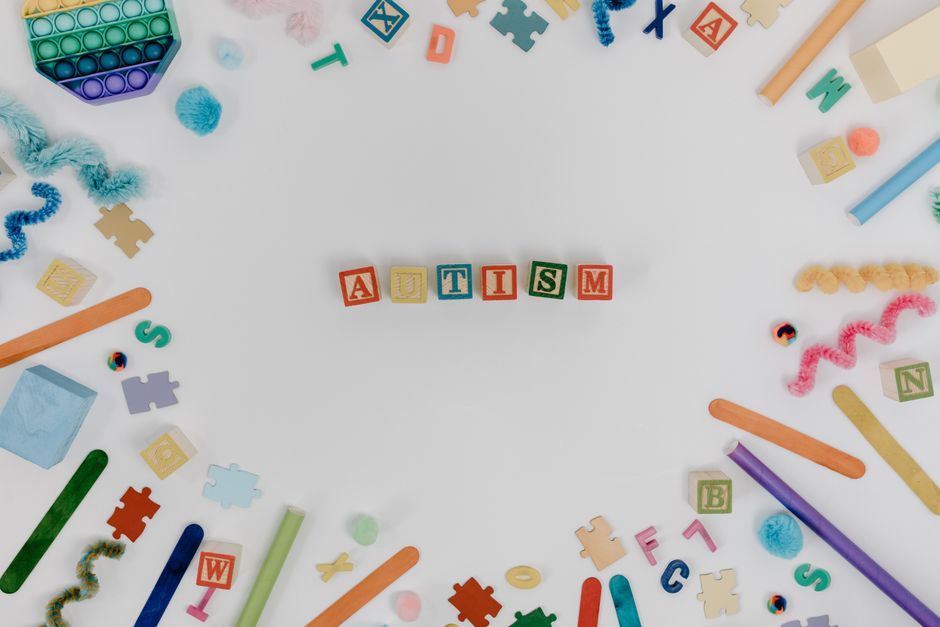
Sensory issues in autism are differences in how the brain processes information from the senses. These differences can make everyday sounds, lights, textures, or movements feel overwhelming, barely noticeable, or intensely appealing. Treatments focus on helping people manage these experiences through therapy, environmental changes, and practical strategies, rather than on “curing” the sensory difference itself.
What Are Sensory Issues In Autism Types And Treatments?
Sensory issues in autism are not a single problem. They are a group of differences in how the nervous system receives and responds to sensory input. The two main types are hypersensitivity and hyposensitivity. A person can have one type, the other, or both at the same time for different senses.
Hypersensitivity means the brain reacts too strongly to input. A normal conversation may sound like a shout. A clothing tag can feel like sandpaper. Bright lights can cause physical pain. Hyposensitivity means the brain does not register input strongly enough. A person may not notice a hot drink burning their tongue, or they may seek out intense pressure, spinning, or loud noises to feel something.
These differences are real neurological variations, not behavioral choices. Research using brain imaging shows that autistic individuals process sensory information differently than non-autistic individuals. This is not about being difficult or attention-seeking.
Treatments do not aim to change how the brain processes sensation. Instead, they aim to reduce distress, improve daily function, and help the person build skills to manage their own sensory world.
What Does Sensory Processing Look Like in Autism?
Sensory processing happens constantly. The brain takes in signals from the eyes, ears, skin, nose, tongue, joints, and inner ear, then organizes them into a usable picture of the world. In autism, this organization can be altered.
A common example is the auditory system. A child or adult may cover their ears at a vacuum cleaner or a hand dryer. The sound is not just annoying; it may be physically painful. Another example is the tactile system. Some people cannot tolerate certain fabrics, seams, or being touched unexpectedly. This can make dressing, haircuts, or dental visits extremely difficult.
The vestibular system, which controls balance and movement, can also be affected. Some autistic individuals feel dizzy or nauseous on swings or escalators. Others crave spinning and rocking because it feels regulating to them.
The proprioceptive system tells the body where it is in space. When this system is under-responsive, a person may bump into furniture or grip a pencil too hard. They may seek out “heavy work” activities like pushing, pulling, or carrying heavy objects to feel grounded.
These differences are not always visible from the outside. An autistic adult may appear calm in a noisy office while internally struggling to focus or feeling increasing distress. Sensory overload can build silently until it results in a “meltdown,” which is a neurological response to being overwhelmed, not a tantrum.
What Are the Main Types of Sensory Issues?
Clinicians and researchers generally categorize sensory issues into four patterns. These patterns help guide treatment decisions.
- Hypersensitivity (over-responsiveness): The person reacts more intensely to sensory input than typical. This can cause avoidance behaviors, anxiety, or distress.
- Hyposensitivity (under-responsiveness): The person does not notice sensory input enough. They may seem unaware of pain, temperature, or sounds that others notice easily.
- Sensory seeking: The person actively craves sensory input. They may spin, jump, crash into things, or make loud noises to get the input their nervous system needs.
- Sensory discrimination difficulties: The person has trouble telling similar sensations apart. They may struggle to distinguish between hot and cold, or have difficulty identifying objects by touch alone.
Most people with autism do not fit neatly into one category. A person may be hypersensitive to sound but seek out deep pressure. This mixed profile is common and makes individualized assessment essential.





How Are Sensory Issues in Autism Diagnosed?
There is no blood test or brain scan for sensory processing differences. Diagnosis is based on observation, caregiver reports, and standardized questionnaires.
Occupational therapists are the professionals most often involved in assessing sensory issues. They may use tools like the Sensory Profile or the Sensory Processing Measure. These questionnaires ask about specific behaviors, such as how the person reacts to being touched, how they respond to noise, or whether they seek out movement.
In many cases, sensory issues are identified as part of a broader autism evaluation. However, sensory differences can also exist in people who do not have autism. They are seen in ADHD, anxiety disorders, and some other conditions. The presence of sensory issues alone does not mean a person has autism.
The Diagnostic and Statistical Manual of Mental Disorders (DSM-5) includes sensory differences as a diagnostic criterion for autism. Specifically, it mentions hyper- or hypo-reactivity to sensory input or unusual interest in sensory aspects of the environment. This means sensory issues are considered a core part of the autism experience, not a secondary symptom.
What Treatments and Therapies Are Available?
Treatment for sensory issues is not about fixing the brain. It is about improving quality of life and reducing distress. The most common approach is occupational therapy (OT) with a sensory integration focus.
Sensory integration therapy involves guided activities that provide controlled sensory input. A therapist might use a weighted vest, brushing techniques, or swings to help the nervous system process input more effectively. The goal is to help the person tolerate everyday sensations and respond more adaptively.
The evidence for sensory integration therapy is mixed. Some studies show benefits for specific skills and behaviors. Other studies show limited or unclear results. What works for one person may not work for another. A good therapist will continuously adjust the approach based on the individual’s response.
Other treatment components include:
- Environmental modifications: Using noise-canceling headphones, dimming lights, or removing scratchy clothing labels.
- Sensory diets: A planned schedule of sensory activities throughout the day to keep the nervous system regulated.
- Cognitive strategies: Helping the person recognize early signs of overload and use coping skills before a meltdown occurs.
- Parent and caregiver education: Teaching families how to read sensory signals and respond supportively.
No medication is approved specifically for sensory processing issues. However, some medications may be prescribed for related conditions like anxiety or sleep problems, which can make sensory issues worse.
Are There Risks With Sensory Treatments?
Most sensory-based treatments are low-risk when done properly. But there are important cautions.
Some “treatments” marketed for sensory issues have no evidence behind them. These include certain vision therapies, auditory integration training, and specialized listening programs. Some of these are expensive and time-consuming, and no large clinical trials have confirmed their effectiveness.
More concerning are practices that force a person to endure unpleasant sensations to “get used to” them. This is not how sensory integration therapy works. Forcing exposure to painful stimuli can increase anxiety and erode trust. Legitimate therapy is gradual, respectful, and driven by the person’s comfort level.
Weighted blankets and weighted vests are widely used. Some research suggests they can help with calming and sleep for some individuals. However, they are not a universal solution. A weighted vest should not be used without professional guidance, especially for young children or individuals with certain medical conditions.
Always consult a qualified occupational therapist before starting any sensory program. Avoid practitioners who promise a “cure” for autism or sensory processing disorder. No such cure exists.
How Do Sensory Issues Change Over Time?
Sensory issues are not static. They can change with age, development, and context.
Some children with autism show fewer sensory difficulties as they grow into adolescence. This may be due to natural neurological maturation. It may also be because they learn coping strategies and avoid triggering situations.
Other individuals experience sensory issues that persist into adulthood. Some find that sensory sensitivities become more noticeable as they age, especially when fatigue or stress is high.
Hormonal changes, illness, and sleep deprivation can all temporarily worsen sensory symptoms. This is important for families and caregivers to understand. A “bad sensory day” is often the result of multiple factors, not just the sensory input itself.
Adults with autism often develop sophisticated self-management strategies. They may choose careers, living environments, and social circles that accommodate their sensory needs. This is not avoidance in a negative sense. It is a legitimate way of managing a neurological difference.
Frequently Asked Questions
Can sensory issues in autism be cured?
No, sensory issues are a neurological difference, not a disease to be cured. Therapy and strategies can help manage symptoms and improve daily function, but the underlying processing difference remains.
What is the difference between a meltdown and a tantrum?
A meltdown is a neurological response to sensory or emotional overload, where the person loses control because their nervous system is overwhelmed. A tantrum is a goal-directed behavior, where a person acts out to get something or avoid something.
Are sensory issues only found in autism?
No, sensory processing differences are also seen in ADHD, anxiety disorders, and in some people without any diagnosed condition. However, they are a core and common feature of autism.
Does sensory integration therapy work?
Some studies show benefits, while others show limited effects, so the evidence is mixed. Many occupational therapists and families report meaningful improvements, but results vary significantly from person to person.
