
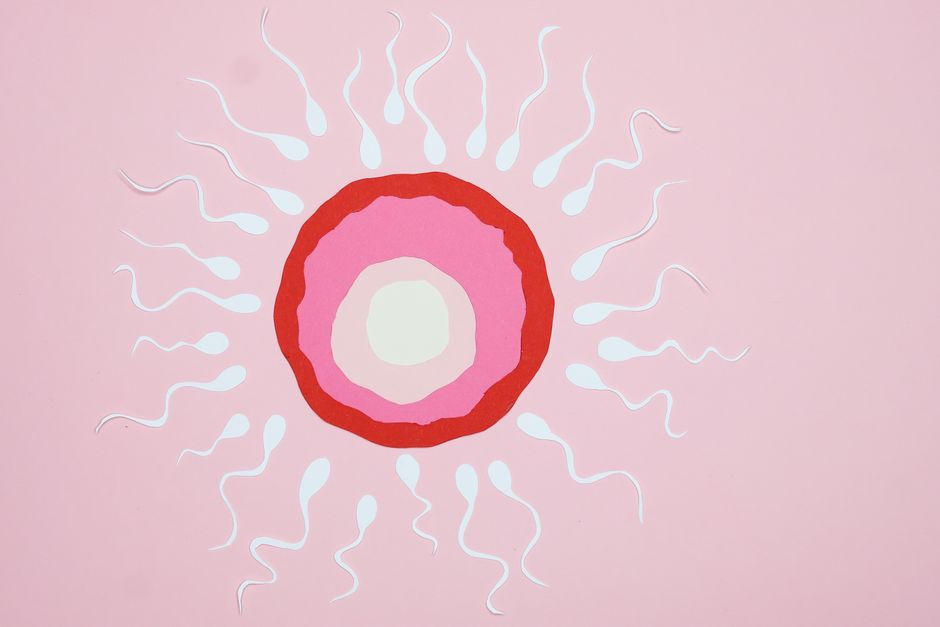
Every person assigned female at birth begins life with all the eggs they will ever have. These eggs start as cells called oocytes, and their journey from early development to the moment of fertilization is one of the most precise processes in human biology. Oocytes are immature egg cells that develop inside the ovaries, and their health and quality directly determine fertility. Understanding how oocytes form, mature, and decline with age helps explain why fertility changes over time and what that means for family planning.
What Exactly Is an Oocyte?
An oocyte is an immature egg cell. It is the largest cell in the human body and the precursor to a mature egg, which is called an ovum. The entire process of oocyte development is called oogenesis, and it begins before birth.
During fetal development, a female baby has millions of oocytes in her ovaries. These cells are arrested in the first stage of cell division, called prophase of meiosis I. They stay paused in this state for years — sometimes decades — until they are recruited for ovulation.
This long pause is important. It means the oocyte a woman ovulates at age 35 has been sitting in a resting state since before she was born. That time matters because oocytes can accumulate damage over the years, which is one reason fertility declines with age.
How Do Oocytes Develop From Fetal Life to Ovulation?
Oocyte development follows a timeline that starts in the womb and ends only at ovulation or menopause. The process can be broken into clear stages:
- Fetal stage: Oogonia (early germ cells) multiply rapidly and then transform into primary oocytes. At around 20 weeks of pregnancy, a female fetus has roughly 6 to 7 million oocytes. That number drops to about 1 to 2 million by birth.
- Childhood: By puberty, only about 300,000 to 500,000 oocytes remain. The rest have undergone a natural process of cell death called atresia. This is not a sign of disease — it is a normal thinning process.
- Reproductive years: Each menstrual cycle, a small group of follicles (fluid-filled sacs that house oocytes) begins to grow. Normally, only one follicle becomes dominant and releases a mature egg at ovulation. The others degenerate.
- Meiotic maturation: Just before ovulation, the oocyte completes its first meiotic division. This produces a secondary oocyte and a tiny polar body. The secondary oocyte is what gets ovulated and picked up by the fallopian tube.
- Fertilization: If sperm meets the oocyte, the second meiotic division completes. The egg and sperm chromosomes combine, forming a zygote — the very first cell of a new person.
Each of these steps must happen correctly for fertility. Errors in cell division can lead to eggs with the wrong number of chromosomes, which is a major cause of miscarriage and conditions like Down syndrome.
What Are Oocytes From Development to Fertility — The Full Timeline
The journey from oocyte to fertile egg is not continuous. Oocytes spend most of their lives paused. The timeline looks like this:
In the fetal ovary, oocytes form and start meiosis but stop midway. They remain in this arrested state until they are selected for ovulation. Selection can happen anywhere from puberty to menopause, which means some oocytes wait 40 years or more.
When a follicle is recruited, the oocyte grows and prepares for the final stages of maturation. This growth phase takes several months. The final maturation steps happen in the days just before ovulation, triggered by a surge of luteinizing hormone (LH).
After ovulation, the oocyte has about 12 to 24 hours to be fertilized. If no sperm arrives, it degenerates. If fertilization occurs, the oocyte completes its final division and embryonic development begins.
This entire system is governed by hormones. Follicle-stimulating hormone (FSH) recruits follicles, and LH triggers the final maturation and release of the egg. Without these signals working correctly, ovulation can fail and fertility is impaired.



Why Does Oocyte Quality Decline With Age?
Age is the single most important factor in oocyte quality. A woman is born with all her oocytes, and no new ones are created after birth. Every year, the remaining pool shrinks and the quality of the cells declines.
Two processes drive this decline. First, the number of oocytes decreases steadily. This is called ovarian reserve depletion. Second, the oocytes that remain are more likely to have errors in their DNA. These errors increase the risk of miscarriage and chromosomal abnormalities.
The reason for this is partly mechanical. Oocytes hold their chromosomes in a specific arrangement for decades. Over time, this arrangement can break down, leading to errors when the egg finally divides. This is why the risk of having a child with Down syndrome rises with maternal age — the error occurs during egg formation, not sperm formation.
Research consistently shows that fertility peaks in the early 20s and begins to decline more noticeably after age 35. The decline accelerates after age 40. This is not about lifestyle or health alone — it is a fundamental biological process tied to the age of the oocytes themselves.
Can Oocyte Health Be Improved?
No proven method can reverse the age-related decline in oocyte quality. Many products claim to boost egg health, but the evidence does not support these claims.
Some research suggests that certain lifestyle factors — like not smoking, maintaining a healthy weight, and managing stress — may support overall reproductive health. Smoking is particularly harmful because it can accelerate the loss of oocytes and bring menopause earlier. But no supplement, diet, or treatment has been shown to restore quality to aging oocytes.
Coenzyme Q10 (CoQ10) and other antioxidants have been studied for their effect on egg quality. Some small studies suggest possible benefits, but the evidence is not strong enough to recommend them as a standard treatment. No large human trials have confirmed that any supplement improves live birth rates.
For women who are concerned about age-related fertility decline, the most reliable option is to pursue pregnancy earlier or consider fertility preservation. Egg freezing, when done at a younger age, preserves the oocytes at their current quality. Frozen oocytes do not age — the quality is locked in at the time of freezing.
What Happens When Oocyte Development Goes Wrong?
Problems in oocyte development can cause infertility, miscarriage, or genetic conditions. The most common issue is aneuploidy, which means the egg has the wrong number of chromosomes.
A normal human egg has 23 chromosomes. When an egg has 22 or 24, fertilization usually results in a pregnancy that cannot survive. Most early miscarriages — more than half — are caused by chromosomal errors in the egg.
Some women experience premature ovarian insufficiency, formerly called premature menopause. This means the ovaries stop functioning before age 40. It can be caused by genetic factors, autoimmune disease, or cancer treatments like chemotherapy. For these women, the pool of oocytes runs out much earlier than expected.
Polycystic ovary syndrome (PCOS) affects oocyte development differently. Women with PCOS have many small follicles that do not mature properly. They often ovulate irregularly or not at all. However, the quality of their oocytes is generally normal — the problem is hormonal signaling, not the eggs themselves.
When oocyte development fails, fertility treatments like in vitro fertilization (IVF) can sometimes help. IVF retrieves oocytes directly from the ovaries, fertilizes them in a lab, and transfers the resulting embryo into the uterus. This bypasses some — but not all — of the steps that can go wrong.
How Are Oocytes Used in Fertility Treatment?
Oocytes are the foundation of most assisted reproductive technology. In IVF, a doctor collects mature oocytes from the ovaries after stimulating the woman with hormones. The oocytes are then fertilized with sperm in a laboratory.
Egg freezing, also called oocyte cryopreservation, involves retrieving oocytes and freezing them for future use. This is often recommended for women who want to delay childbearing or who face medical treatments that could damage their ovaries, such as chemotherapy.
Oocyte donation is another option. A younger woman donates her oocytes, which are fertilized and transferred to the recipient. This is one of the most effective fertility treatments because the donated oocytes come from a younger reproductive system with better quality eggs.
It is important to understand that IVF does not improve oocyte quality. It simply gives the existing oocytes a better chance of being fertilized and developing. If the oocytes themselves are poor quality — due to age or other factors — IVF cannot fix that underlying problem.
How Many Oocytes Does a Woman Need for Fertility?
There is no single number that guarantees fertility. A woman needs only one healthy oocyte to conceive. But the odds of having a healthy oocyte at any given cycle depend on age and ovarian reserve.
Doctors can estimate ovarian reserve using blood tests and ultrasound. Anti-Müllerian hormone (AMH) is a blood test that reflects the number of remaining follicles. An ultrasound can count antral follicles — small structures visible in the ovaries that contain developing oocytes. These tests give a sense of how many oocytes remain, but they cannot measure oocyte quality.
Here is a general picture of how ovarian reserve changes over time:
| Age Range | Typical Ovarian Reserve Status | Fertility Context |
|---|---|---|
| 20s | High — hundreds of thousands of oocytes remain | Peak fertility; high chance of conception per cycle |
| Early 30s | Moderate decline begins | Fertility still strong but gradually decreasing |
| Late 30s | Accelerated decline | Conception takes longer; miscarriage risk rises |
| 40s | Low reserve; quality significantly reduced | Natural conception unlikely for most; IVF success rates low with own eggs |
These are general patterns, not guarantees. Some women in their 40s have healthy pregnancies naturally, while some women in their 20s struggle with infertility. But the trend is clear and consistent: age matters because oocyte quantity and quality both decline together.
Frequently Asked Questions
What is the difference between an oocyte and an egg?
An oocyte is the immature egg cell, and it becomes a mature egg (ovum) only after completing its final stages of development around ovulation. In everyday language, the terms are often used interchangeably, but medically they refer to different stages of the same cell.
Are all oocytes present at birth?
Yes. A female is born with all the oocytes she will ever have — about 1 to 2 million. No new oocytes are produced after birth, and the number steadily declines throughout life.
Can egg freezing improve oocyte quality?
No. Egg freezing preserves the oocytes at their current quality; it does not improve them. The main benefit is that frozen oocytes do not age, so a woman who freezes eggs in her 20s can use those younger-quality eggs later in life.
Does oocyte quality affect miscarriage risk?
Yes. Oocytes with chromosomal errors are a leading cause of early miscarriage. Because chromosomal errors in eggs become more common with age, miscarriage rates rise as women get older.
