
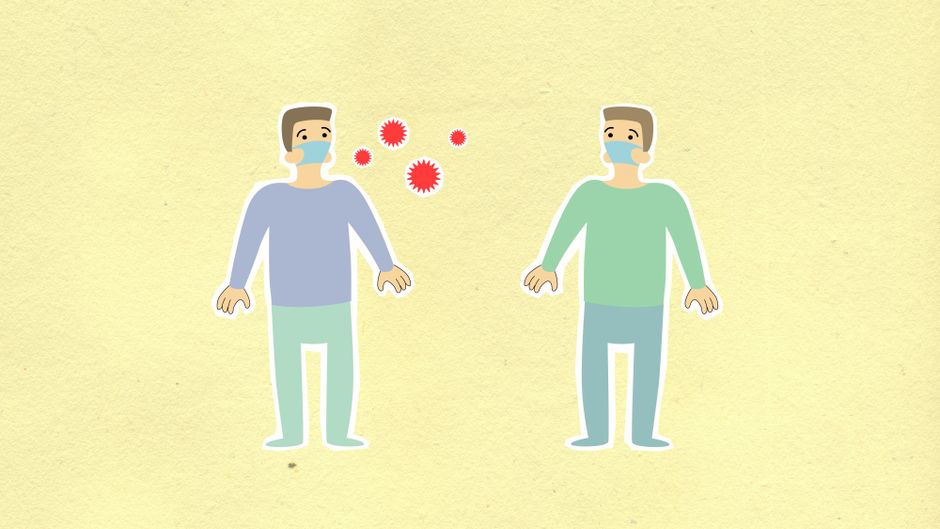
Nosocomial infections are infections that patients acquire while receiving treatment in a healthcare facility, such as a hospital, clinic, or nursing home. These infections are not present or incubating at the time of admission, and they typically appear 48 hours or more after a patient is hospitalized. They spread through direct contact between people, contaminated surfaces, medical equipment, and in some cases through the air or via healthcare workers’ hands.
What Are Nosocomial Infections And How Do They Spread?
Nosocomial infections, also called hospital-acquired infections or healthcare-associated infections (HAIs), develop during a stay in a medical facility. A patient who enters the hospital for one condition and develops a new infection during their stay has a nosocomial infection. These infections are a major patient safety issue worldwide, affecting millions of people each year.
The main routes of transmission are straightforward. The most common way these infections spread is through direct and indirect contact. Healthcare workers can carry germs from one patient to another on their hands or clothing. Contaminated surfaces such as bed rails, doorknobs, and call buttons also play a significant role. Medical devices like ventilators, urinary catheters, and central lines can introduce bacteria directly into the body. Some infections also spread through droplets from coughing or sneezing, while others can remain suspended in the air and travel longer distances.
Which Patients Are Most At Risk?
Anyone admitted to a hospital can develop a nosocomial infection, but some patients face a much higher risk than others. Patients in intensive care units have the highest rates of these infections because they are typically the sickest and require the most invasive procedures.
Several specific factors increase risk. People with weakened immune systems from illness or medication cannot fight off germs as effectively. Patients with chronic conditions such as diabetes, kidney disease, or lung disease are more vulnerable. Older adults, especially those over 65, have higher infection rates. Surgical patients have open wounds that provide an entry point for bacteria. Patients who need intravenous lines, urinary catheters, or breathing machines are exposed to direct pathways for germs to enter the body. Longer hospital stays also increase exposure time and therefore increase risk.
What Are The Most Common Types?
Some nosocomial infections occur far more often than others. The most common types are catheter-associated urinary tract infections, surgical site infections, bloodstream infections from central lines, and ventilator-associated pneumonia.
Catheter-associated urinary tract infections happen when bacteria travel up a urinary catheter into the bladder. These are among the most frequent hospital-acquired infections. Surgical site infections develop in the area of an incision after an operation. Central line-associated bloodstream infections occur when bacteria enter the bloodstream through a large IV line placed in a major vein. Ventilator-associated pneumonia develops in patients who are on breathing machines for extended periods.
Another serious concern is Clostridioides difficile, often called C. diff. This bacterium causes severe diarrhea and colon inflammation. It spreads easily through spores that survive on surfaces for long periods and resist many common cleaning agents. C. diff is particularly dangerous because it often occurs after antibiotic use disrupts the normal gut bacteria.
Antibiotic-resistant bacteria are a growing problem in hospitals. Methicillin-resistant Staphylococcus aureus (MRSA) and carbapenem-resistant Enterobacteriaceae (CRE) are examples of bacteria that do not respond to many standard antibiotics. These resistant infections are harder to treat and carry higher risks of severe complications.





How Are These Infections Diagnosed?
Diagnosis begins with clinical evaluation. A doctor examines the patient for signs of infection such as fever, pain, redness, discharge, or changes in vital signs. The timing matters. An infection that appears within 48 hours of admission may have been incubating before the patient arrived and is not considered nosocomial. An infection that appears after this window is more likely hospital-acquired.
Laboratory tests confirm the diagnosis. Blood tests can show elevated white blood cell counts that indicate infection. Cultures from blood, urine, sputum, or wound swabs identify the specific bacteria or fungus causing the illness. For some infections, imaging tests such as chest X-rays or CT scans help assess the extent of the problem.
One important point: identifying the exact germ is essential for choosing the right antibiotic. Using a broad-spectrum antibiotic without knowing the specific pathogen can be ineffective and contributes to antibiotic resistance. Culture results typically take 24 to 72 hours, so treatment decisions often start with best guesses based on the infection site and the patient’s condition, then get adjusted once results arrive.
How Are Nosocomial Infections Treated?
Treatment depends on the type and severity of the infection. Bacterial infections are treated with antibiotics. The choice of antibiotic is guided by culture results when available. Some infections require removal of the source. For example, a urinary catheter or central line that is infected should be removed or replaced. Surgical site infections may need drainage of pus or removal of infected tissue.
Supportive care is part of treatment. Patients may need fluids, fever control, and oxygen. Severe infections like sepsis require intensive care with close monitoring of blood pressure and organ function.
Antibiotic resistance complicates treatment. When bacteria do not respond to first-line antibiotics, doctors must use stronger or alternative drugs. These second-line drugs often have more side effects and may need to be given intravenously. In some cases, the available treatment options are very limited, which is why prevention is so heavily emphasized in hospitals.
How Can Hospitals Prevent The Spread?
Hospitals use multiple layers of prevention. No single measure is enough on its own. The combination of strategies is what reduces infection rates.
Hand hygiene is the single most effective measure. Healthcare workers are trained to wash their hands or use alcohol-based sanitizer before and after every patient contact. Studies consistently show that improved hand hygiene reduces infection rates significantly, yet compliance remains a challenge in many facilities.
Contact precautions are used for patients known to carry certain infections. These precautions may include gloves, gowns, and dedicated equipment. Isolation rooms keep infected patients separate from others. Some infections require airborne precautions with specialized masks and negative pressure rooms.
Environmental cleaning is critical. Hospital rooms and equipment must be disinfected regularly. For C. diff, special sporicidal cleaners are needed because standard disinfectants do not kill the spores. Medical devices are sterilized or disinfected according to strict protocols.
Antibiotic stewardship programs help prevent resistance. These programs encourage doctors to prescribe antibiotics only when truly needed and to choose the narrowest effective drug. Reducing unnecessary antibiotic use lowers the pressure that drives bacteria to develop resistance.
Specific protocols reduce device-related infections. Catheters should be removed as soon as they are no longer needed. Central lines should be inserted using maximum sterile barrier precautions. Ventilator care bundles include elevating the head of the bed and regular oral care. These bundles have been shown to reduce infection rates when followed consistently.
What Can Patients And Families Do?
Patients and visitors can play an active role in infection prevention. The most important action is asking healthcare workers whether they have cleaned their hands before touching you. This simple question is appropriate and encouraged by most healthcare facilities.
Visitors should clean their hands when entering and leaving a patient’s room. People who are sick should not visit patients in the hospital. Patients should speak up if a bandage becomes loose, wet, or dirty. They should ask why a catheter or IV line is still in place and whether it can be removed.
It is reasonable to ask your care team about the hospital’s infection rates. Many hospitals publicly report their infection data. This information can help you understand the facility’s track record, though it should not be the only factor in choosing where to receive care.
Frequently Asked Questions
How long after hospitalization does a nosocomial infection appear?
Nosocomial infections typically appear 48 hours or more after admission to a healthcare facility. Infections that show up sooner may have been incubating before the patient arrived.
Can you catch a nosocomial infection from a hospital visit?
Yes, visitors and outpatients can acquire infections in healthcare settings, though patients who stay overnight face higher risk. Contact with contaminated surfaces or infected patients can transmit germs to anyone in the facility.
What is the most common nosocomial infection?
Catheter-associated urinary tract infections are among the most frequently reported hospital-acquired infections. Surgical site infections and bloodstream infections from central lines are also very common.
Are nosocomial infections always caused by bacteria?
No, viruses and fungi can also cause hospital-acquired infections. However, bacteria are the most common cause, and antibiotic-resistant bacterial infections pose the greatest treatment challenges.
