
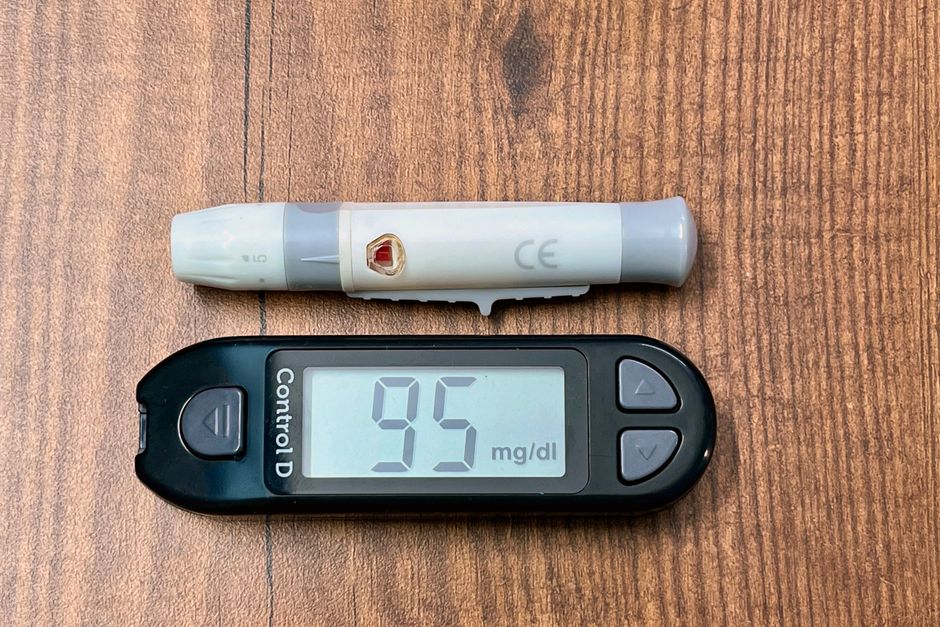
Blood sugar is the amount of glucose moving through your bloodstream at any given moment. For most adults without diabetes, a normal fasting blood sugar level is between 70 and 99 mg/dL. That single number is one of the most useful signals your body gives you about how well it is managing energy — and one of the most misunderstood.
What Are Normal Sugar Level? Definition and Ranges
Blood sugar, also called blood glucose, is the concentration of glucose in your blood. Glucose is the main fuel your cells use. It comes from the food you eat and from stores your liver releases between meals.
Normal is defined by when you measure it. A fasting level is taken after at least 8 hours without calories. A random level can be checked any time of day.
| Measurement | Normal | Prediabetes | Diabetes |
|---|---|---|---|
| Fasting glucose | 70–99 mg/dL | 100–125 mg/dL | 126 mg/dL or higher |
| 2-hour glucose (OGTT) | Less than 140 mg/dL | 140–199 mg/dL | 200 mg/dL or higher |
| A1C | Below 5.7% | 5.7–6.4% | 6.5% or higher |
These cutoffs come from the American Diabetes Association and are used worldwide. A diagnosis usually requires two abnormal results unless symptoms are clear and glucose is very high.
One point people often miss: normal ranges are based on population data, not on what is ideal for every person. Someone can sit at 95 mg/dL fasting and still have early metabolic problems. Others sit at 99 mg/dL for decades with no issue. The number is a clue, not a verdict.
Why Does Blood Sugar Fluctuate Throughout the Day?
Blood sugar is not a fixed setting. It rises and falls in response to food, hormones, activity, and stress. The body keeps it inside a fairly narrow band using two opposing hormones.
Insulin lowers blood sugar. It is released by the pancreas when glucose enters the blood after a meal. Insulin signals cells to take up glucose and tells the liver to store the excess.
Glucagon raises blood sugar. When levels drop, the pancreas releases glucagon, which tells the liver to release stored glucose. This is why you do not crash overnight despite not eating for 8 hours or more.
Other factors shift the number too:
- Meals high in refined carbohydrate raise glucose faster than meals with fat, protein, and fiber
- Exercise can lower glucose by increasing uptake into muscle, but intense exercise can briefly raise it through stress hormones
- Illness, infection, and physical stress raise glucose
- Poor sleep and ongoing stress tend to push fasting glucose up over time
- Some medications, including steroids, raise glucose
For most people without diabetes, glucose rarely goes above about 140 mg/dL after a meal and returns to baseline within two hours. That return to baseline is the part that matters most.
What Is the Difference Between Fasting and Post-Meal Sugar Levels?
Fasting glucose reflects how well your liver manages glucose release overnight. Post-meal glucose reflects how well your body handles a sudden load.
The two can disagree. Some people have a normal fasting level but a high post-meal spike. This pattern, sometimes called isolated postprandial hyperglycemia, is common in early glucose problems and can be missed if only fasting glucose is checked.
That is why an oral glucose tolerance test (OGTT) exists. You drink a standardized glucose solution and your blood is drawn at set intervals, usually at 2 hours. It captures the dynamic response that a single fasting draw cannot.
A1C is different again. It estimates average glucose over roughly the past 2 to 3 months by measuring how much glucose has attached to hemoglobin in red blood cells. It smooths out daily swings but can be misleading in certain conditions — pregnancy, recent blood loss, some anemias, and certain hemoglobin variants can all skew the result.





What Raises the Risk of Abnormal Blood Sugar?
Type 2 diabetes develops when the body becomes resistant to insulin and the pancreas can no longer keep up. Several factors raise that risk, and most are well established.
- Excess body weight, particularly around the abdomen, is the strongest modifiable risk factor
- Physical inactivity reduces glucose uptake by muscle
- Family history of type 2 diabetes in a parent or sibling
- Age — risk rises after 45, though diagnosis in younger adults is increasing
- History of gestational diabetes or giving birth to a baby over 9 pounds
- Certain ethnic backgrounds, including African American, Hispanic, Native American, and Asian American populations
- High blood pressure or abnormal cholesterol levels
- Polycystic ovary syndrome (PCOS)
Prediabetes is the middle ground. It is not a guarantee of diabetes, and research consistently shows that lifestyle changes can reduce progression. The Diabetes Prevention Program, a large US trial, found that modest weight loss and increased physical activity reduced the rate of progression to type 2 diabetes more than a commonly used medication did in the study population.
That is one of the more important findings in this field. Blood sugar problems are not always a one-way street.
When Should You Get Your Blood Sugar Checked?
Screening recommendations are not identical across organizations, but the general direction is consistent: check adults starting around age 35, and check earlier if risk factors are present.
The US Preventive Services Task Force recommends screening for prediabetes and type 2 diabetes in adults aged 35 to 70 who are overweight or obese. The American Diabetes Association recommends screening all adults starting at age 35, and earlier for anyone with risk factors, regardless of weight.
If results are normal, repeat testing every 3 years is a common interval. If results show prediabetes, testing every year is typical. These intervals are general guidance, not rules — your clinician may adjust based on your history.
Do not rely on symptoms to decide. Early high blood sugar often causes no symptoms at all. By the time classic symptoms appear — excessive thirst, frequent urination, blurred vision, unexplained weight loss — glucose has usually been elevated for a while.
What Do High or Low Blood Sugar Numbers Mean?
Low blood sugar, called hypoglycemia, is generally defined as below 70 mg/dL. It is uncommon in people who do not take insulin or certain diabetes medications. When it does occur, symptoms include shakiness, sweating, confusion, and rapid heartbeat.
High blood sugar, or hyperglycemia, is the more common problem. Persistent fasting glucose of 126 mg/dL or higher, confirmed on two occasions, meets the threshold for diabetes. Levels above 250 mg/dL with symptoms warrant prompt medical attention, and very high levels can lead to a serious condition called diabetic ketoacidosis, more common in type 1 diabetes.
One clarification worth making: a single high reading is not a diagnosis. Stress, illness, a recent meal, and even the time of day can push a reading up. Diagnosis depends on repeat testing or a combination of tests.
If you are monitoring at home, the target ranges your clinician gives you may differ from the normal ranges above. For people with diabetes, treatment targets are individualized and often higher than 70–99 mg/dL to reduce the risk of hypoglycemia.
Can You Keep Blood Sugar in the Normal Range?
For many people, yes — and the evidence for lifestyle factors is stronger than for most supplements marketed for blood sugar.
Regular physical activity improves insulin sensitivity. Muscle takes up glucose during and after exercise, and this effect can last beyond the workout itself. Both aerobic activity and resistance training have support in the research.
Diet quality matters, but the specifics are debated. Reducing refined carbohydrates and added sugars, and eating more fiber, vegetables, and whole foods, is broadly supported. No single diet has been proven superior for everyone.
Weight loss, where excess weight is present, has the strongest evidence for improving glucose. Even modest loss — a few percent of body weight — is associated with measurable improvement in fasting glucose and A1C.
Sleep and stress are easier to overlook. Chronic sleep loss and sustained stress both raise cortisol, which raises glucose. The evidence here is consistent even if the effect size varies between people.
What about supplements? Berberine, cinnamon, chromium, and others are widely sold for blood sugar. The evidence is mixed at best. Some small studies suggest modest effects; larger, higher-quality trials are limited, and none of these have been shown to replace established treatment. If you take diabetes medication, some supplements can interact with it.
Frequently Asked Questions
What is a normal blood sugar level?
A normal fasting blood sugar is 70 to 99 mg/dL, and a normal A1C is below 5.7%. A 2-hour glucose tolerance test result under 140 mg/dL is also considered normal.
What blood sugar level means diabetes?
A fasting glucose of 126 mg/dL or higher, a 2-hour glucose of 200 mg/dL or higher, or an A1C of 6.5% or higher meets the threshold for diabetes. Diagnosis usually requires two abnormal results unless symptoms are clear.
Can blood sugar be normal but still be prediabetic?
Yes. Prediabetes is defined by fasting glucose of 100 to 125 mg/dL, a 2-hour glucose of 140 to 199 mg/dL, or an A1C of 5.7% to 6.4%. A single normal fasting reading does not rule out prediabetes if other measures are elevated.
Does blood sugar go up with age?
Fasting glucose tends to rise modestly with age, and the risk of type 2 diabetes increases after 45. This is why screening is generally recommended for all adults starting around age 35.
