
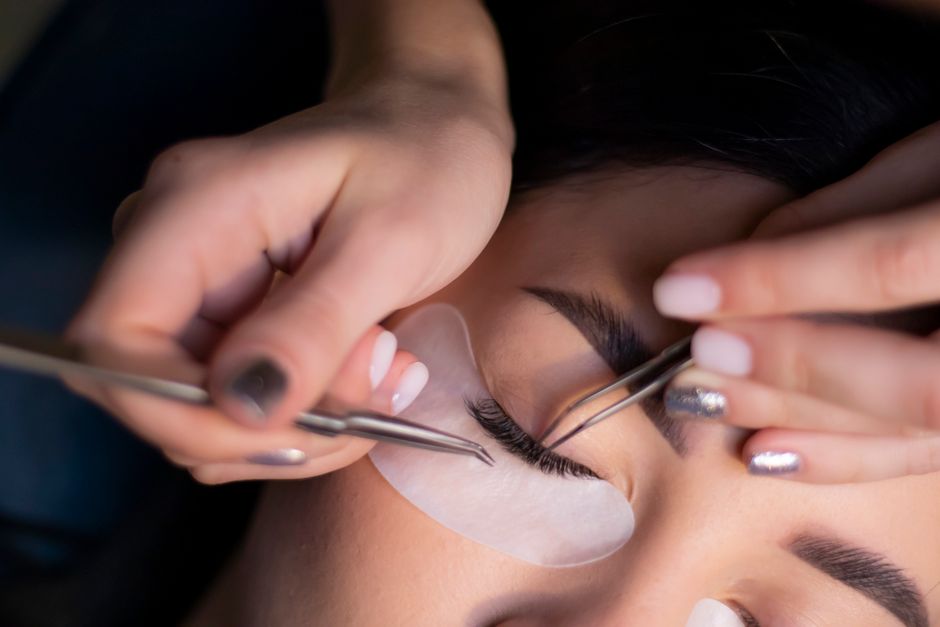
A lash lift is a cosmetic treatment that curls your natural eyelashes upward using a chemical solution, making them look longer and more open without extensions or a lash curler. The effect lasts about six to eight weeks, until your lashes naturally shed and regrow. It is essentially a perm designed specifically for the delicate hairs on your eyelid.
What Are Lash Lifts and How Do They Work?
A lash lift uses a two-step chemical process. The first solution breaks the disulfide bonds in the hair protein, which is what gives the lash its natural shape. While those bonds are broken, the lash is molded around a silicone shield or pad placed on your eyelid. A setting solution is then applied to reform the bonds, fixing the lash into its new, lifted curve.
This is the same chemistry behind a hair perm, but with much gentler formulas and smaller tools. The result is a curl that starts at the base of the lash, giving the illusion of longer lashes. The treatment takes about 45 minutes to an hour. You cannot wear mascara or get the lashes wet for the first 24 hours after the procedure.
The lift itself does not add volume or length. It only changes the direction of the hair. For people with naturally straight or downward-pointing lashes, this change can make a dramatic visual difference.
How Long Does a Lash Lift Last?
A lash lift typically lasts six to eight weeks. This timeline is tied to the natural growth cycle of eyelashes. Each lash grows, rests, and then falls out on its own schedule, usually over a period of two to three months. As new lashes grow in, they come in straight and unprocessed, which gradually reduces the lift’s uniform appearance.
Your aftercare routine affects how long the lift holds. Keeping the lashes dry for the first day is important. After that, avoid oil-based makeup removers and heavy rubbing of the eyes. Oil breaks down the chemical bonds in the hair faster than water does.
Some people find their lift fades faster if they sleep face-down or use hot steam regularly. Others find the curl relaxes gradually, which looks natural as it grows out. There is no way to speed up or slow down the natural lash cycle.
Lash Lift vs. Lash Extensions: What Is the Difference?
Lash extensions are individual synthetic fibers glued one by one to each of your natural lashes. They add visible length, thickness, and volume. Extensions require regular touch-up appointments every two to three weeks to replace the hairs that have shed.
A lash lift processes your own lashes with chemicals. It adds no material to your eye. The main advantage is that there is no maintenance beyond avoiding water for the first day. You can swim, shower, and sleep normally. You can also still wear mascara if you want more drama, though many people find they no longer need it.
Extensions look more dramatic and customizable. Lifts look more natural and are generally cheaper over time because they need fewer appointments. People with very short lashes may not see much benefit from a lift alone, since the treatment cannot create length that is not there.





Who Should Not Get a Lash Lift?
Lash lifts are not safe for everyone. The chemicals used are strong enough to break hair bonds, and the skin on the eyelid is among the thinnest on the body. If you have a history of allergic reactions to hair dye, perms, or other chemical treatments, you are at higher risk of reacting to the lift solutions.
People with active eye infections, styes, conjunctivitis, or any broken skin around the eye should wait until the condition clears. The treatment area is too sensitive when compromised. Anyone with very brittle or damaged lashes should also avoid the procedure, as the chemical processing can make the hair break off.
There is no established safety data for lash lifts during pregnancy or breastfeeding. No clinical guidelines currently exist for this population. Most salons will not perform the treatment on pregnant clients as a precaution, even though no specific harm has been proven. If you are pregnant, discuss the decision with your obstetrician before booking an appointment.
People with chronic dry eye syndrome should be cautious. The silicone shield and the chemical solutions can temporarily disrupt the natural oil layer of the tear film. Some research suggests this can worsen dry eye symptoms for several weeks after the treatment.
What Are the Risks and Side Effects?
The most common side effects are mild and temporary. Redness, slight swelling, and a stinging sensation during the treatment are not unusual. These typically resolve within a few hours.
More serious complications are possible. Chemical burns to the eyelid skin or the surface of the eye can occur if the solution leaks past the shield. This is why the technician must be trained and experienced. The FDA regulates the chemicals used in lash lifts as cosmetics, but it does not require any specific training or licensing for the person applying them. State licensing for estheticians varies widely.
Allergic reactions are another concern. The active ingredients, typically thioglycolic acid or similar compounds, can cause contact dermatitis. Symptoms include intense itching, swelling, and a rash on the eyelid. If this happens, the reaction usually appears within 24 to 48 hours after the treatment and requires medical attention.
Adhesive burns are a known risk. Some technicians use a glue to hold the shield in place, and that glue can migrate onto the eyelid or the lash line. The result can be a painful irritation that takes days to heal. Ask your technician what products they use and whether they have dealt with allergic reactions before.
How to Choose a Lash Lift Provider
Training matters more than the brand of products used. Ask your technician how many lash lifts they have performed and whether they have completed a certified training course specifically for lash lifts, not just general esthetician school. A patch test is a reasonable request before your first appointment. This involves applying a small amount of the chemical solution to a discreet area and waiting to see if a reaction occurs.
Check the salon’s hygiene practices. Shields, brushes, and other tools should come from sealed packages or be properly sterilized between clients. The work area should be clean and well-lit. If the salon cannot explain the products they use or the steps they follow, consider that a red flag.
Look at before-and-after photos, but be skeptical of heavily edited images. Ask to see photos of clients with similar lash types to yours. Fine, straight lashes respond differently than thick, curly ones. A good provider will tell you honestly what results you can expect rather than promising perfection.
Price is not a reliable indicator of quality. A very cheap lift may use poor products or an inexperienced technician. A very expensive one does not guarantee safety. The key factors are the technician’s experience, the products’ quality, and the salon’s hygiene standards.
Frequently Asked Questions
Does a lash lift damage your natural lashes?
When done correctly by a trained professional, a lash lift should not cause permanent damage. However, the chemicals can weaken lashes if applied too often, left on too long, or done on already fragile hair.
Can you wear mascara after a lash lift?
You can wear mascara after the first 24 hours, but most people find they do not need it. Waterproof mascara is harder to remove and requires rubbing, which can shorten the lift’s lifespan.
How much does a lash lift cost?
Prices vary by location and salon, but a typical lash lift costs between $75 and $150. This usually includes the lift and a tint, though tinting may cost extra at some salons.
How often can you get a lash lift?
Most technicians recommend waiting six to eight weeks between treatments. Getting a lift more frequently can cause breakage and thinning of the natural lashes.
