

Waking up with a dry mouth is often just a sign that your overnight saliva production dropped. But for many people, it is a daily occurrence that signals a deeper issue. The root causes range from simple breathing habits and medication side effects to underlying health conditions like sleep apnea or Sjögren’s syndrome. Figuring out which one applies to you is the first step toward sleeping through the night without that sticky, parched feeling.
Why Do You Wake Up With A Dry Mouth? The Basic Mechanics
Saliva production naturally slows down during sleep. Your body reduces saliva flow at night because you are not eating or talking, and your digestive system is resting. This is normal. The problem occurs when the reduction becomes extreme or when something actively dries out your mouth faster than your salivary glands can keep up.
Your salivary glands produce between 0.5 and 1.5 liters of saliva each day, but that production drops significantly at night. If you wake up with a mouth so dry that swallowing hurts or your tongue feels stuck to the roof of your mouth, something beyond normal nighttime reduction is happening.
Mouth Breathing and Nasal Congestion
Breathing through your mouth while you sleep is one of the most common causes of morning dry mouth. When you breathe through your nose, the air is warmed, filtered, and humidified before it reaches your throat. Mouth breathing bypasses all of that. The constant flow of air over your oral tissues evaporates moisture quickly.
Nasal congestion often forces people into mouth breathing. Allergies, a deviated septum, sinus infections, or even just a stuffy nose from a cold can switch your breathing pattern overnight. Some people also develop the habit of mouth breathing even without congestion.
A simple test: if you wake up with a dry mouth and a dry or sore throat, you were likely breathing through your mouth for much of the night. If your pillowcase is damp or you notice drool, that also points to mouth breathing.
Medications That Cause Dry Mouth
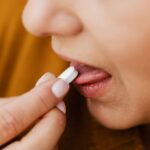
Hundreds of medications list dry mouth as a side effect. This is one of the most common causes, especially in adults over 40 who often take multiple prescriptions.
The main culprits include:
- Antihistamines and decongestants
- Blood pressure medications, especially diuretics and some beta-blockers
- Antidepressants and anti-anxiety medications
- Muscle relaxants
- Pain medications, particularly opioids
- Medications for overactive bladder
These drugs work by blocking certain nerve signals or reducing fluid retention. That same mechanism often suppresses saliva production. If you started a new medication around the same time your morning dry mouth began, the medication is the likely cause. Talk to your doctor before stopping or changing any prescription. Some people find that taking the medication at a different time of day helps, but that is a conversation for your healthcare provider.




Sleep Apnea and Snoring
Obstructive sleep apnea is a serious condition where your airway partially or completely collapses during sleep. It causes repeated pauses in breathing, often accompanied by loud snoring and gasping.
Both snoring and sleep apnea force you to breathe through your mouth. The continuous airflow dries out your oral tissues. But sleep apnea is more than just a dry mouth issue. It is linked to high blood pressure, heart disease, and daytime fatigue.
If your morning dry mouth comes with loud snoring, gasping sounds at night, waking up tired, headaches in the morning, or daytime sleepiness, sleep apnea is a real possibility. A sleep study is the standard way to diagnose it. Treatment often involves a CPAP machine or oral appliance, and many people find their dry mouth improves once the breathing issue is addressed.
Some people use a chin strap to keep their mouth closed while using a CPAP or nasal mask. This helps, but it does not treat the underlying apnea.
Dehydration and Alcohol
Not drinking enough water during the day can leave you dehydrated by morning. Your body loses fluid overnight through breathing and sweating. If you start the night already short on fluids, the morning dryness can be intense.
Alcohol is a direct culprit. It is a diuretic, meaning it increases urine production and depletes body fluids. It also relaxes the muscles in your throat, which can worsen snoring and mouth breathing. A few drinks before bed reliably produces a dry mouth by morning.
Caffeine has a milder effect but still contributes. Coffee and tea in the afternoon or evening can increase urine output and reduce total body water by bedtime.
The fix for this category is straightforward: increase water intake during the day and reduce alcohol, especially in the hours before bed. Keep a glass of water on your nightstand, but do not rely on it as the only solution. If you are consistently waking up thirsty despite adequate daytime hydration, something else is going on.
Autoimmune Conditions and Other Medical Causes
Some people have a condition called xerostomia, the medical term for chronic dry mouth. This is different from occasional morning dryness. Xerostomia means your salivary glands do not produce enough saliva at any time, day or night.
The most well-known cause is Sjögren’s syndrome, an autoimmune disorder where the immune system attacks the glands that produce tears and saliva. It often accompanies rheumatoid arthritis or lupus. Dry eyes are a common companion symptom.
Other medical causes include:
- Diabetes, especially poorly controlled blood sugar
- Thyroid disorders
- HIV/AIDS
- Radiation therapy to the head or neck
- Nerve damage to the head or neck area
Diabetes is worth special attention. High blood sugar causes increased urination, which depletes fluids. Some research also suggests that diabetes can directly affect salivary gland function. If your dry mouth comes with frequent urination, unusual thirst, blurred vision, or unexplained weight loss, ask your doctor about a blood sugar test.
If you have persistent dry mouth during the day as well as at night, that points toward a systemic cause rather than a sleep-specific one.
How to Prevent Morning Dry Mouth
The right approach depends on the cause. Start with the simplest fixes and work your way up.
Hydration: Drink water throughout the day, not just when you feel thirsty. Keep a glass by your bed for overnight sips.
Humidifier: Dry bedroom air makes things worse, especially in winter or in dry climates. A cool-mist humidifier adds moisture to the air you breathe all night.
Nasal breathing: If congestion forces you to mouth-breathe, address the congestion. Saline nasal spray, a neti pot, or allergy treatment can help. Some people benefit from nasal strips that open the nasal passages.
Alcohol and caffeine: Reduce both, especially in the evening. Alcohol before bed is one of the most reliable ways to guarantee a dry mouth by morning.
Oral hygiene: Brush and floss before bed. Using an alcohol-free mouthwash can help. Some people find that toothpaste for sensitive teeth or dry mouth formulations make a difference.
Saliva substitutes: Over-the-counter mouth sprays, lozenges, and rinses designed for dry mouth can provide temporary relief. These do not fix the underlying cause but they make the morning more comfortable.
Chewing gum: Sugar-free gum stimulates saliva production. This is more useful during the day than overnight, but it can help train your salivary glands to respond.
When to See a Doctor
Occasional morning dry mouth after a night of drinking or during allergy season is not usually a medical emergency. But you should see a doctor if:
- Dry mouth happens most mornings
- You also have dry eyes or dry skin
- You have difficulty swallowing or speaking
- You notice mouth sores or cracked lips
- You have excessive thirst and frequent urination
- Your dry mouth comes with snoring or daytime fatigue
A dentist can also identify signs of chronic dry mouth during a routine exam. Reduced saliva increases the risk of cavities, gum disease, and oral thrush because saliva normally washes away food particles and bacteria. If you have been waking up with a dry mouth for months, a dental checkup is a reasonable step.
Your doctor can run blood tests to check for diabetes, thyroid issues, or autoimmune markers. If medications are the cause, they may adjust your prescription or suggest alternatives.
Frequently Asked Questions
Can a dry mouth at night be a sign of diabetes?
Yes, dry mouth can be a symptom of diabetes, especially if blood sugar is poorly controlled. High blood sugar increases urination, which depletes fluids and can reduce saliva production.
Is waking up with a dry mouth serious?
Occasional dry mouth is usually not serious, but frequent episodes can indicate an underlying condition like sleep apnea, medication side effects, or an autoimmune disorder. Persistent dry mouth also raises your risk for cavities and gum disease.
What is the fastest way to get rid of morning dry mouth?
Drinking water immediately upon waking provides the fastest relief. For a longer-term fix, address the underlying cause, such as mouth breathing, dehydration, or medication side effects.
Does a humidifier help with dry mouth at night?
A humidifier can help if the air in your bedroom is dry. It adds moisture to the air you breathe, which reduces evaporation from your mouth and throat during sleep.
