
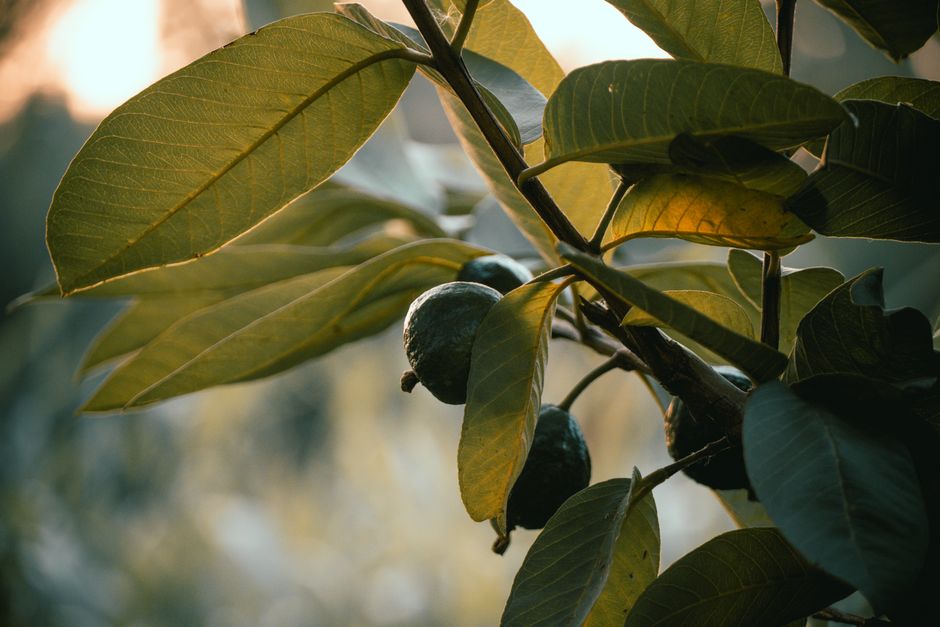
Guava leaves come from the same tropical tree that bears guava fruit, and they have been used in traditional medicine for centuries. Current research suggests they may help manage blood sugar, support digestion, and reduce inflammation when used correctly. Here is what the evidence actually shows about guava leaves, from blood sugar control to skin health.
Can Guava Leaf Tea Lower Blood Sugar?
Some clinical studies suggest guava leaf tea can help lower blood sugar after meals. The effect appears strongest in people with type 2 diabetes or prediabetes, though healthy people may also see a mild response.
The active compounds are likely polyphenols and flavonoids. These plant chemicals may slow down the breakdown of carbohydrates in the gut. That means sugar enters the bloodstream more slowly, which blunts the spike you might normally see after eating.
One well-known study gave people with type 2 diabetes guava leaf tea before a meal. Blood sugar levels after the meal were lower compared to a placebo. Other research has looked at long-term use of guava leaf extract, with some participants showing improved fasting blood sugar over several weeks.
The evidence is promising but not overwhelming. Study sizes are often small, and the duration of most trials is short. Larger and longer studies are needed before anyone should consider guava leaf tea a replacement for standard diabetes treatment.
If you take medication for diabetes, talk to your doctor before adding guava leaf tea. Combining it with blood sugar-lowering drugs could cause levels to drop too far.
What Does the Science Say About Guava Leaf Extract?
Guava leaf extract is more concentrated than tea. It is made by drying the leaves and processing them into powder, capsules, or liquid drops. Because it is concentrated, the effects may be stronger — but so are the risks of side effects.
Some research indicates that guava leaf extract can reduce post-meal blood sugar spikes in people with type 2 diabetes. A few studies have also looked at cholesterol. Results suggest that regular use of guava leaf extract may lower total cholesterol and LDL cholesterol, the “bad” kind, while raising HDL cholesterol in some people.
These findings are consistent with what researchers see in animal studies. Rats given guava leaf extract tend to show improved insulin sensitivity and better lipid profiles. But animal results do not always translate directly to humans.
No large clinical trials have confirmed the long-term safety of concentrated guava leaf extract. Most studies run for only a few weeks or months. If you decide to try it, start with the lowest dose on the product label and watch for any digestive upset.
How Do Guava Leaves Affect Digestion?
Guava leaves have a long history of use for digestive problems. Traditional medicine has used them for diarrhea, stomach pain, and intestinal infections. Some of that traditional use is backed by modern research.
Studies have found that guava leaf extract can slow the movement of the intestines. This gives the gut more time to absorb water, which can help firm up loose stools. The antimicrobial properties of the leaves may also play a role in fighting certain bacteria that cause diarrhea.
One study on children with acute diarrhea found that guava leaf treatment reduced the duration of symptoms compared to standard care. The leaves appear to be well tolerated in these short-term uses.
For chronic digestive conditions like irritable bowel syndrome, the evidence is much thinner. No clinical trials have confirmed that guava leaves help with IBS symptoms. If you have ongoing digestive issues, see a doctor rather than relying on herbal remedies alone.



Can Guava Leaves Improve Skin Health?
Guava leaves contain compounds with antibacterial and anti-inflammatory properties. These make them a popular ingredient in skincare products and home remedies. But the clinical evidence for skin benefits is limited.
Some research suggests that guava leaf extract can inhibit the growth of bacteria associated with acne, including Propionibacterium acnes. Laboratory studies show this effect clearly. Whether it translates to fewer breakouts in real people is less certain.
There is also some evidence that guava leaf extract can help with wound healing. Animal studies have shown faster closure of wounds treated with guava leaf preparations. The anti-inflammatory compounds may reduce swelling and redness around the wound site.
For aging skin, the claims are mostly speculative. Guava leaves are rich in antioxidants like vitamin C and lycopene. These compounds can neutralize free radicals that damage skin cells. But topical application of guava leaf extract has not been proven to reverse wrinkles or restore elasticity in clinical trials.
If you want to try guava leaf for your skin, a topical product with a standardized extract is safer than making your own paste at home. Homemade preparations can carry bacteria or cause skin irritation. Do a patch test on a small area first.
Are There Any Risks or Side Effects?
Guava leaf tea is generally considered safe for most adults when consumed in moderate amounts. The leaves have been used in traditional medicine for generations without serious reported side effects.
However, concentrated extracts are different. High doses may cause nausea, stomach cramps, or constipation. Some people may also experience allergic reactions, especially if they are sensitive to other plants in the guava family.
There are no established safety guidelines for guava leaf use during pregnancy or breastfeeding. If you are pregnant or nursing, avoid concentrated extracts and limit yourself to small amounts of tea. No clinical guidelines currently exist for this population.
Guava leaf may interact with certain medications. Because it can lower blood sugar, it may amplify the effects of diabetes drugs. It may also interfere with blood pressure medications, though this interaction is not well studied.
If you take any prescription medication, check with your pharmacist before adding guava leaf products to your routine.
How to Use Guava Leaves Safely
Guava leaf tea is the simplest and most studied form. To make it, steep 5 to 10 dried guava leaves in hot water for 5 to 10 minutes. You can also buy pre-made guava leaf tea bags at many health food stores.
For blood sugar management, some studies have used guava leaf tea taken just before meals. Others have used it twice daily over several weeks. The optimal timing and dose are not firmly established.
If you use a commercial extract, follow the manufacturer’s instructions. Look for products that specify the concentration of active compounds. A product that lists the amount of polyphenols or flavonoids is more reliable than one that simply says “guava leaf powder.”
Start with a low dose and increase gradually if you tolerate it well. Stop using the product if you experience digestive discomfort, skin rash, or any other unusual symptoms.
Guava leaves are a supplement, not a medication. They do not replace a healthy diet, regular exercise, or prescribed treatments for chronic conditions.
Frequently Asked Questions
How much guava leaf tea should I drink per day?
No official dosage guidelines exist for guava leaf tea. Most studies have used 1 to 2 cups per day, but individual tolerance varies.
Can guava leaves cure diabetes?
No. Guava leaves may help lower blood sugar, but they are not a cure for diabetes and should not replace prescribed medication.
Are guava leaves safe to eat raw?
Eating raw guava leaves is not recommended because they are tough and may contain surface contaminants. Steeping them in hot water is the safer preparation method.
How long does it take for guava leaf tea to lower blood sugar?
Some studies show a blood sugar response within 2 hours of drinking the tea before a meal. Consistent daily use over several weeks may produce more noticeable changes.
