
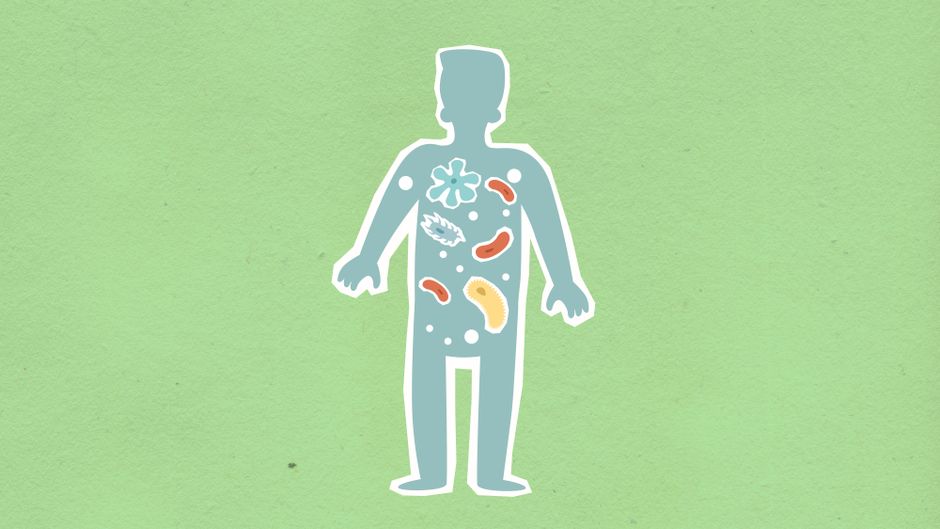
Firmicutes are one of the two most abundant groups of bacteria living in your gut, and they play a major role in how your body extracts energy from food. Alongside Bacteroidetes, they make up the vast majority of the trillions of microbes in your digestive tract. While they are essential for normal digestion and health, an imbalance in their population relative to other bacteria has been linked to obesity and metabolic issues in many studies. Understanding what they do helps clarify why your gut bacteria matter for more than just digestion.
What Are Firmicutes Bacteria And What Do They Do?
Firmicutes are a large phylum of bacteria that live primarily in the human gastrointestinal tract. They are Gram-positive bacteria, meaning they have a thick cell wall that helps them survive in harsh environments. In the gut, their main job is to break down complex carbohydrates that your stomach and small intestine cannot digest on their own.
When Firmicutes ferment these fibers, they produce short-chain fatty acids like butyrate, acetate, and propionate. These compounds serve as an energy source for the cells lining your colon and influence inflammation, appetite signaling, and blood sugar control. This process is a normal and necessary part of human digestion.
Firmicutes also include species like Lactobacillus and Enterococcus, some of which are used in probiotics. Not all Firmicutes behave the same way, and the group contains both beneficial and potentially harmful strains depending on the species and your overall health.
Why Do Researchers Link Firmicutes to Weight Gain?
Research has consistently found that people with obesity tend to have a higher ratio of Firmicutes to Bacteroidetes compared to lean individuals. This observation was first highlighted in studies of both mice and humans more than a decade ago, and it has been replicated many times since. The pattern is clear, though the reasons behind it are still being worked out.
One leading theory is that certain Firmicutes are more efficient at extracting calories from food. If your gut bacteria harvest more energy from the same meal, that extra energy can be stored as fat over time. Some animal studies support this idea, showing that mice colonized with Firmicutes from obese donors gained more weight than mice given Bacteroidetes from lean donors.
However, the story is more complex than a simple ratio. Not every study finds the same Firmicutes-to-Bacteroidetes pattern, and the diversity of species within Firmicutes matters more than the group as a whole. Some Firmicutes species are associated with leanness and better metabolic health, which means blanket statements about the entire phylum can be misleading.
What Influences the Balance of Firmicutes in Your Gut?
Your diet is the strongest factor shaping which bacteria thrive in your colon. A diet high in processed foods and simple sugars tends to favor certain Firmicutes that can quickly ferment these easy-to-digest substrates. A diet rich in diverse plant fibers feeds a wider range of bacterial species, including beneficial ones that produce anti-inflammatory compounds.
Antibiotic use is another major influence. Antibiotics do not discriminate between harmful pathogens and beneficial gut bacteria. A course of antibiotics can reduce Firmicutes populations significantly, and some research suggests the gut may not fully recover its original diversity even months later.
Other factors include your age, stress levels, sleep patterns, and where you were born. Infants delivered vaginally acquire different gut bacteria than those born by cesarean section, and these early differences can persist for years. Genetics also plays a role, though it appears to be smaller than environmental factors like diet and medication use.





Can You Change Your Firmicutes Levels Through Diet?
Yes, your gut bacteria respond to dietary changes within days, but lasting shifts require consistent habits. When people switch from a Western diet to a plant-rich diet, their gut microbiome shifts measurably within a week. The challenge is maintaining those changes, because reverting to your old eating pattern quickly restores the previous bacterial balance.
Fiber is the primary fuel for beneficial bacteria. Foods like legumes, whole grains, vegetables, and fruits contain prebiotic fibers that promote the growth of species that produce short-chain fatty acids. Fermented foods like yogurt, kefir, sauerkraut, and kimchi introduce live bacteria directly, though they tend to colonize temporarily rather than permanently.
No food can single-handedly correct a Firmicutes imbalance. The evidence points to overall dietary patterns rather than individual miracle foods. A Mediterranean-style diet rich in plants, fish, and olive oil is consistently associated with a healthier, more diverse gut microbiome in observational studies.
What Is the Firmicutes to Bacteroidetes Ratio?
The Firmicutes-to-Bacteroidetes ratio is a metric researchers use to describe the relative abundance of these two dominant bacterial phyla. In healthy adults, Firmicutes typically outnumber Bacteroidetes, but the exact ratio varies widely between individuals based on age, diet, and geography.
This ratio is not a diagnostic tool. Your doctor cannot order a test for it, and no established clinical guidelines define what a “normal” ratio should be. It is primarily a research measure used to compare groups of people in studies rather than to assess an individual’s health.
The ratio also changes with age. Infants have a different bacterial profile than adults, and older adults often show shifts in their gut communities. Comparing your personal ratio to someone else’s is not meaningful because of this natural variation and because laboratory methods for analyzing gut bacteria are not standardized across facilities.
Should You Take Probiotics to Change Your Firmicutes?
Probiotics can influence your gut bacteria, but their effects are strain-specific and often temporary. Some probiotic strains belong to the Firmicutes phylum, including various Lactobacillus and Bacillus species. Taking these can increase the presence of those specific strains while you are consuming them.
The evidence for probiotics improving metabolic health is mixed. Some studies show modest benefits for conditions like antibiotic-associated diarrhea and certain digestive disorders, but evidence that they meaningfully shift your Firmicutes-to-Bacteroidetes ratio or cause weight loss is limited. No large human trials have confirmed that any specific probiotic can treat obesity by altering this ratio.
If you are considering a probiotic, choose one with strains that have been studied for your specific concern and be aware that effects typically stop when you stop taking it. Whole foods and dietary patterns have a more substantial and longer-lasting effect on your gut bacteria than supplements.
Are Firmicutes Ever Harmful?
Some Firmicutes species can cause infections, particularly outside the gut. Staphylococcus, Streptococcus, and Clostridium are all members of the Firmicutes phylum, and certain species within these genera are responsible for conditions ranging from strep throat to serious hospital-acquired infections.
In the gut itself, an overgrowth of specific Firmicutes has been associated with inflammatory conditions, though the direction of causation is not always clear. The presence of these bacteria may contribute to inflammation, or an inflamed gut may simply provide an environment where they thrive.
This is why researchers emphasize bacterial diversity over any single group. A healthy gut contains many different phyla, and having too much of any one group can be problematic. The goal is balance and variety, not maximizing or minimizing any single type of bacteria.
Frequently Asked Questions
Are Firmicutes good or bad bacteria?
Firmicutes include both beneficial and potentially harmful species, so they are neither entirely good nor entirely bad. Most are harmless and help digest fiber, but some species can cause infections when they spread outside the gut.
What foods increase Firmicutes?
Foods high in fermentable fiber like whole grains, legumes, fruits, and vegetables tend to support Firmicutes growth. Processed foods and added sugars also feed certain Firmicutes species, which is why the quality of your diet matters more than simply increasing counts.
Can the Firmicutes to Bacteroidetes ratio predict obesity?
The ratio has been associated with obesity in research studies, but it is not a reliable predictor for individuals. Many lean people have high ratios and some people with obesity have low ratios, so it is not used clinically to diagnose or predict weight problems.
Do antibiotics permanently damage Firmicutes?
Antibiotics can significantly reduce Firmicutes populations, but the gut usually recovers over weeks to months. Full recovery of the original bacterial diversity is not guaranteed, which is why antibiotics should only be used when medically necessary.
