
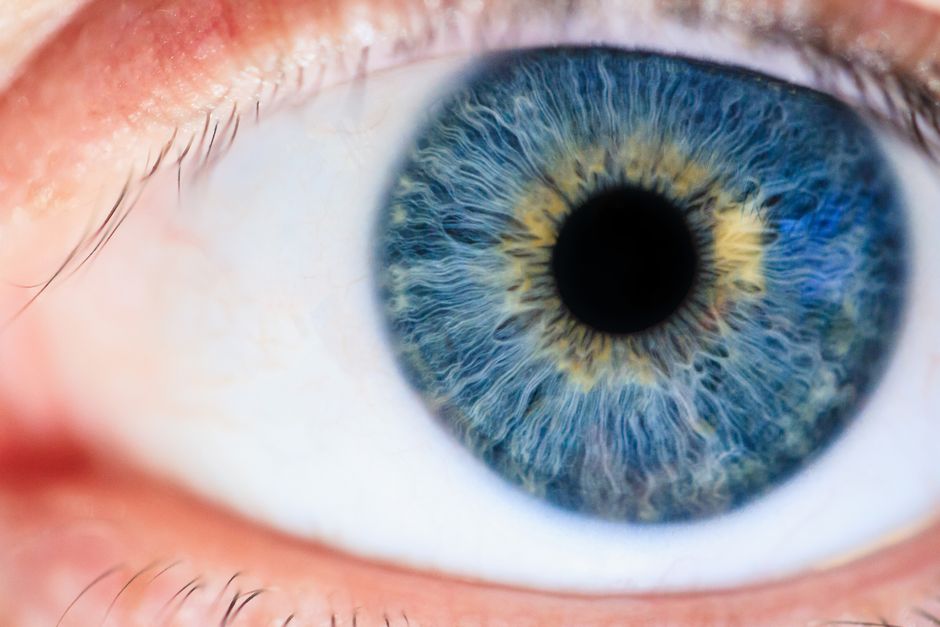
Dilated pupils happen when the black center of your eye, the pupil, grows larger than usual. This is a normal response to dim light, allowing more light to reach the retina. However, pupils can also dilate due to emotions, certain medications, and various medical conditions. Understanding the difference between a normal reaction and a sign of an underlying issue is important for your health.
What Are Dilated Pupils and How Do They Work?
Pupils are not actually structures themselves. They are the opening in the center of the iris, the colored part of your eye. The iris contains two sets of muscles that control the size of this opening. One set works to make the pupil smaller, and the other works to make it larger.
This process is automatic. Your brain constantly adjusts pupil size based on the amount of light entering your eye. In bright light, pupils constrict to protect the retina from too much light. In darkness, they dilate to improve your vision. This response is fast and happens without your conscious control.
Normal pupil size in an average adult under normal lighting is about 2 to 4 millimeters. In darkness, pupils can dilate to between 4 and 8 millimeters. This range varies from person to person and changes naturally with age. Older adults often have smaller pupils that do not dilate as widely.
What Causes Dilated Pupils?
Several factors can cause your pupils to dilate. The most common cause is simply low light. Your pupils widen automatically to help you see better in dark environments. This is a normal, healthy response that reverses when light levels increase.
Emotional and psychological states also trigger pupil dilation. The autonomic nervous system, which controls involuntary body functions, responds to arousal, interest, or stress. When you are excited, scared, or even deeply focused, your pupils may enlarge. Research has shown that the brain’s norepinephrine system, which is involved in the fight-or-flight response, plays a role in this dilation.
Certain medications and drugs are another common cause. These include:
- Antihistamines
- Decongestants
- Antidepressants
- Medications for motion sickness
- Muscle relaxants
- Some seizure medications
Recreational drugs such as cocaine, amphetamines, LSD, and MDMA also cause significant pupil dilation. These effects are temporary and usually resolve as the drug wears off.
Eye drops used during comprehensive eye exams are designed to dilate pupils. Doctors use these drops to examine the retina and optic nerve at the back of the eye. The effects can last several hours.
When Are Dilated Pupils a Sign of a Medical Problem?
Pupil dilation becomes a concern when it occurs without an obvious cause. If one pupil is dilated and the other is not, this is called anisocoria. This asymmetry can be normal for some people, but it can also indicate a serious problem.
Head trauma is a significant cause of abnormal pupil dilation. A blow to the head can damage nerves that control pupil size. A dilated pupil on one side after a head injury is a medical emergency and requires immediate attention.
Several neurological conditions can affect pupil function. These include:
- Stroke
- Brain tumors
- Increased pressure inside the skull
- Meningitis
- Multiple sclerosis
Eye injuries can also cause pupil dilation. Blunt trauma to the eye can damage the iris muscles directly. This type of injury may cause the pupil to remain dilated even after the injury heals.
Certain infections and inflammatory conditions can affect the nerves controlling the pupil. Lyme disease and syphilis are two examples. These conditions require medical diagnosis and treatment.





What Is Mydriasis and How Long Does It Last?
Mydriasis is the medical term for persistent pupil dilation that does not respond normally to light. This is different from the temporary dilation caused by dim lighting or eye exam drops. Mydriasis can be a symptom of an underlying condition rather than a normal response.
The duration of pupil dilation depends entirely on its cause. Dilation from eye exam drops typically lasts 4 to 6 hours, though some formulations can last up to 24 hours. Drug-induced dilation lasts as long as the drug remains active in your system. Dilation caused by medical conditions may persist until the underlying condition is treated.
If your pupils remain dilated for an extended period without exposure to dim light or known medications, you should seek medical evaluation. Persistent mydriasis can interfere with vision and may signal a neurological issue.
How Are Dilated Pupils Diagnosed?
Doctors diagnose the cause of pupil dilation through a combination of examination and medical history. The process typically starts with a physical examination of your eyes. A doctor will assess pupil size, shape, and reactivity to light in both eyes.
The swinging flashlight test is a standard diagnostic tool. A doctor shines a light into each eye and observes how the pupils respond. This test can reveal whether the problem is in the eye itself or in the nerves connecting the eye to the brain.
Your medical history is equally important. Be prepared to tell your doctor about all medications you take, including over-the-counter drugs and supplements. Recent head injuries, even minor ones, should be mentioned. Any history of neurological conditions or eye surgeries is also relevant.
Depending on the findings, a doctor may order imaging tests such as a CT scan or MRI. These tests can detect structural problems in the brain that might be affecting pupil function. Blood tests may be used to check for infections or inflammatory conditions.
When Should You See a Doctor?
Most instances of pupil dilation are temporary and harmless. However, certain situations require prompt medical attention. You should seek immediate care if pupil dilation is accompanied by any of the following:
- Severe headache
- Vision changes or loss
- Dizziness or confusion
- Weakness on one side of the body
- Difficulty speaking
- Nausea and vomiting
- Sensitivity to light
Unequal pupil sizes that appear suddenly are also a reason to seek medical evaluation. While some people naturally have slightly different pupil sizes, a sudden change warrants investigation. This is especially important if it follows a head injury.
Call your eye doctor or primary care physician if you notice your pupils remain dilated for no apparent reason. They can determine whether this is a normal variation for you or a sign of an underlying condition. Do not wait to see if symptoms improve on their own when neurological symptoms are present.
Frequently Asked Questions
Can stress cause dilated pupils?
Yes, stress and anxiety can cause pupil dilation. The sympathetic nervous system activates during stressful situations, which triggers the muscles in the iris to enlarge the pupil.
How long do pupils stay dilated after eye drops?
Pupils typically stay dilated for 4 to 6 hours after standard eye exam drops. Some formulations can keep pupils dilated for up to 24 hours, so effects vary.
Are dilated pupils a sign of a brain tumor?
Brain tumors can cause pupil dilation, but this is not a common early symptom. Tumors more often cause headaches, vision problems, and seizures before affecting pupil function.
Can dehydration cause dilated pupils?
Dehydration alone does not directly cause pupil dilation. Severe dehydration can lead to systemic symptoms that affect neurological function, but pupil dilation is not a standard sign of dehydration.
